

On June 24, 2026, the global health landscape shifted as French authorities confirmed the first case of Ebola on European soil associated with the current outbreak in the Democratic Republic of the Congo. The patient, a dedicated humanitarian worker, is currently receiving specialized care under high-containment protocols. While headlines may naturally trigger alarm, it is critical to move past the initial shock and rely on verified medical data. By understanding the rigorous containment measures in place and distinguishing viral transmission realities from speculative fears, we can maintain a calm, informed perspective on public safety.
As health systems mobilize to ensure complete isolation and tracking, individual awareness becomes a vital component of the broader defense strategy. This incident serves as a stark reminder that while institutional protocols are the first line of defense against global outbreaks, proactive personal wellness is the foundational layer that supports your body’s natural resilience against environmental and pathogenic threats.
Understanding the Confirmed Ebola Case in France: Current Situation
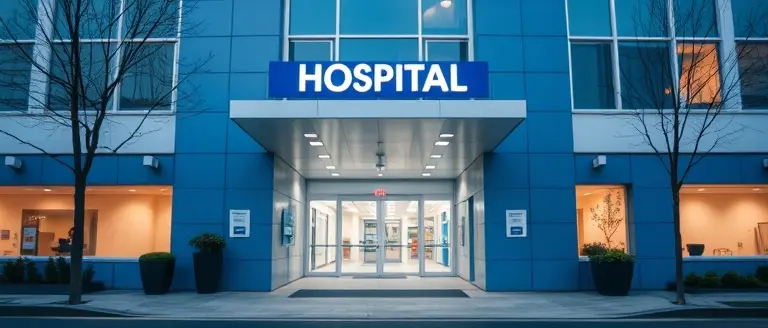
On June 24, 2026, French health authorities officially confirmed the nation’s first ebola cases france instance linked to the ongoing, severe epidemic in the Democratic Republic of the Congo (DRC). The patient, a medical professional who had recently returned to France after conducting humanitarian work in the affected region, is currently undergoing specialized treatment under strict isolation protocols. This event marks the first confirmed case of the virus on the European continent during this specific 2026 outbreak, which has been closely monitored by the World Health Organization (WHO) as it surpassed 1,000 cases. While the international community remains vigilant, health officials stress that this is an isolated, monitored incident rather than a sign of local transmission.
Context of the Current Outbreak
The current crisis in the DRC has been described by global health experts as exceptionally challenging due to complex logistics and difficulties in traditional contact tracing. By analyzing the medical data provided by global agencies, it is clear that the risk of community spread in France remains extremely low. French hospitals are equipped with advanced biocontainment units specifically designed for high-consequence pathogens, ensuring that the patient receives specialized care while preventing any potential exposure to the public.
Key facts regarding the situation include:
- Controlled Environment: The patient is being treated in a high-security facility following rigorous safety protocols established for viral hemorrhagic fevers.
- Traveler Surveillance: Health authorities have implemented robust monitoring for individuals returning from affected areas, facilitating early detection.
- Limited Risk: According to WHO guidelines, the risk to the general public in France is minimal, as the virus is not airborne and requires direct contact with infected bodily fluids for transmission.
- Proactive Response: The prompt identification of this case demonstrates the effectiveness of the current france ebola screening procedures and the coordination between international humanitarian groups and domestic healthcare systems.
By prioritizing accurate reporting and clinical containment, France is effectively managing the medical response. Public health directives emphasize that there is no cause for broad alarm, provided that medical guidelines are followed by returning travelers and clinical staff.
How the French Healthcare System Manages Ebola Preparedness
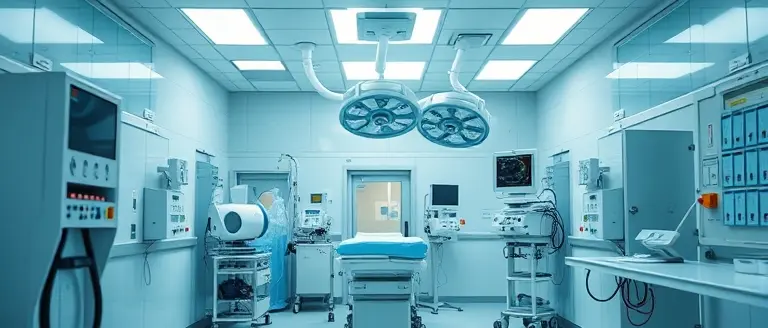
The confirmation of ebola cases in France has prompted immediate scrutiny of the nation’s medical infrastructure, yet the French healthcare system remains highly prepared for such contingencies. France utilizes a robust, multi-layered strategy for managing high-consequence infectious diseases, built upon the rigorous protocols established during previous international health crises. Patients identified with France Ebola exposure are immediately funneled into specialized high-security infectious disease units, which are designed specifically for the containment of viral hemorrhagic fevers. These facilities operate under strict negative-pressure ventilation to prevent the aerosolization of pathogens, ensuring that the risk of transmission to the general public or medical staff is effectively neutralized.
Clinical Protocols and Containment Standards
The primary goal of the French medical approach is to minimize human contact through advanced engineering and stringent personal protective equipment (PPE) mandates. Healthcare professionals managing these cases adhere to strict, WHO-aligned guidelines, which include:
- Advanced Isolation Units: Utilization of specialized biocontainment rooms that feature dedicated air filtration systems and airlocks.
- Stringent PPE Requirements: Mandatory use of fluid-resistant, full-body protective suits, double gloving, and powered air-purifying respirators (PAPRs).
- Rigorous Sterilization: The implementation of chemical decontamination zones and the incineration of all potentially infectious medical waste.
- Active Monitoring: Constant collaboration with the World Health Organization (WHO) and the French National Health Agency to conduct rapid contact tracing and monitor the health of individuals who may have crossed paths with the patient.
These medical protocols emphasize that Ebola is not airborne, but rather transmitted through direct contact with infected bodily fluids. By maintaining these high-level isolation standards, French hospitals serve as a closed environment, ensuring that the isolated patient receives intensive care while the surrounding community remains at a negligible risk level. Through proactive coordination and adherence to evidence-based safety standards, the system remains fully capable of containing isolated imported cases without the threat of a wider domestic outbreak.
International Travel and Ebola: What Travelers Need to Know

Following the June 2026 confirmation of ebola cases in France, travelers may feel uncertainty regarding the safety of international transit. It is critical to note that the World Health Organization (WHO) has not issued any travel bans or movement restrictions for France or the affected regions in the Democratic Republic of the Congo (DRC). Global health authorities maintain that the risk of Ebola transmission to the general public remains extremely low, as the virus is not spread through casual contact or air travel like respiratory pathogens. The French healthcare system is highly equipped to manage isolated medical incidents, and robust containment protocols have already been activated for the patient in question.
Staying Informed and Safe During Travel
For those planning international trips, transparency and adherence to official guidance are the best tools for maintaining peace of mind. Screening processes at major transit hubs are designed to identify symptomatic individuals long before they could potentially board international flights. If you are traveling, prioritize the following measures:
- Consult Official Sources: Regularly check the Centers for Disease Control and Prevention (CDC) and the French Ministry of Health websites for the most current travel advisories regarding France Ebola updates.
- Monitor Health: If you have recently traveled to a region with an active outbreak, self-monitor for symptoms such as high fever, severe headache, or muscle pain. Seek immediate medical attention if you become ill, and always disclose your travel history to healthcare providers.
- Practice Standard Hygiene: While Ebola is not a common travel risk, practicing good hygiene—such as frequent handwashing and avoiding contact with blood or bodily fluids—remains the gold standard for protecting against infectious diseases.
Public panic is often disproportionate to the actual medical risk. Because Ebola requires direct contact with infected bodily fluids, the probability of exposure during normal travel remains negligible. Government agencies continue to monitor the situation closely, ensuring that containment efforts prevent any significant disruption to global mobility. Focus on verified information from reputable outlets like the WHO rather than speculative reports to ensure your travel plans remain stress-free.
Distinguishing Ebola Symptoms from Common Seasonal Illnesses

Understanding the clinical presentation of Ebola is essential for maintaining perspective, especially as news of ebola cases in France circulates globally. Early symptoms of Ebola virus disease (EVD) often mirror those of common respiratory illnesses, including influenza and COVID-19. Initial clinical signs typically include high fever, severe fatigue, muscle pain, headache, and a sore throat. Because these symptoms are non-specific, they do not automatically signal an Ebola infection. In most instances, individuals experiencing these symptoms during common viral seasons are significantly more likely to be suffering from seasonal flu or other circulating respiratory viruses rather than Ebola.
The Critical Role of Travel History
The most vital differentiator between common illnesses and Ebola is not the symptom set itself, but rather the patient’s exposure history. Health authorities emphasize that Ebola is not transmitted through casual contact or airborne droplets like seasonal influenza. Transmission requires direct contact with the blood or bodily fluids of an infected person or animal. Consequently, the context of france ebola monitoring programs relies heavily on identifying recent travel to affected regions in the Democratic Republic of the Congo.
To help clarify risk factors, consider these clinical distinctions:
- Exposure Context: Ebola risk is isolated to those with specific, direct contact with symptomatic individuals or infected materials in high-transmission areas.
- Symptom Progression: While flu and COVID-19 often involve respiratory distress (coughing, sneezing, congestion), Ebola is defined by sudden-onset, profound weakness, and gastrointestinal symptoms like vomiting or diarrhea that escalate rapidly.
- Geographical Significance: Local seasonal outbreaks lack the geographical link to the DRC, which remains the central focus for current international surveillance.
Disclaimer: This information is for educational purposes only and does not constitute medical advice. If you have recently traveled to an area affected by Ebola and are experiencing symptoms, do not attempt to self-diagnose. Contact local emergency health services immediately and inform them of your travel history so that medical professionals can facilitate safe screening and isolation protocols.
Empowering Your Body’s Natural Defense Systems
The confirmation of Ebola in France is a matter of managed public health, not an invitation to panic. France’s healthcare infrastructure is highly prepared to handle high-consequence pathogens, ensuring that the risk of wider transmission remains extremely low for the general public. However, the event highlights a universal truth: in an era of global connectivity, taking charge of your personal health boundaries is more important than ever. While we rely on expert containment, you can take practical steps to fortify your own health at the microscopic level.
Individual resilience starts at the primary entry points of the body. Your oral microbiome acts as the gatekeeper for your upper respiratory system and sinuses, serving as a critical barrier against invaders. When you prioritize the health of your oral environment, you are effectively strengthening your body’s initial line of defense. ProDentim is designed to support this vital ecosystem, ensuring that your natural defenses are primed and operating at their peak during times of heightened infectious disease awareness.
Integrating ProDentim into your daily routine is a proactive measure that aligns with the philosophy of maintaining health from the inside out. By restoring balance to your oral microbiome, you provide your body with the fundamental support it needs to stay resilient. It is the natural, sensible next step in your personal wellness strategy, allowing you to move through the world with greater confidence and physical preparedness.
 Take control of your respiratory defense today by restoring your natural oral microbiome with ProDentim.Transform My Life Today