

The 2-2 draw between Morocco and Haiti at the Atlanta Stadium was more than just a high-scoring thriller; it was a tactical masterclass that shifted the entire landscape of Group C in the 2026 FIFA World Cup. While casual fans were treated to a breathtaking showcase of offensive ingenuity—highlighted by the electric interplay between Haiti’s Wilson Isidor and Morocco’s Ismael Saibari—the result leaves both nations in a precarious position heading into the final round of fixtures. This wasn’t merely a back-and-forth game; it was a testament to Haiti’s grit as a tournament underdog and a wake-up call for Morocco’s defensive structure.
For those looking beyond the highlight reels, this match offers a crucial window into the tactical volatility of the group stage. As we dissect the qualifying scenarios, it becomes clear that understanding these individual performances and their collective impact on advancement requires more than a passing glance. To truly master the nuance of these developments, one must maintain the same cognitive sharpness that defined Isidor and Saibari’s clinical displays on the pitch.
The Morocco vs. Haiti Deadlock: Analyzing the Group C Thriller at Mercedes-Benz Stadium

The marruecos vs fixture at the Mercedes-Benz Stadium on June 24, 2026, will be remembered as one of the most tactically intriguing battles of the 2026 FIFA World Cup group stage. Entering the match, many analysts favored the North African powerhouse, but the reality on the pitch quickly shifted toward an underdog narrative as Haiti displayed remarkable resilience. The 2-2 draw was not merely a stalemate; it was a high-intensity clash that exposed defensive vulnerabilities while highlighting the clinical finishing capabilities of both squads. The atmosphere in Atlanta was electric, with fans witnessing a back-and-forth momentum shift that kept Group C wide open and left pundits scrambling to recalculate the path to the knockout stages.
Tactical Implications of the 2-2 Draw
The intensity of the marruecos vs haiti encounter centered on the battle for midfield dominance. Haiti’s ability to transition quickly from defense to attack disrupted Morocco’s rhythm, forcing the favorites to rely on individual brilliance to salvage a point. Key takeaway observations from the match include:
- Defensive Exposure: Both teams displayed uncharacteristic lapses in concentration during set-piece scenarios, allowing for rapid counters.
- The Isidor-Saibari Duel: The tactical highlight was undoubtedly the personal battle between Wilson Isidor and Ismael Saibari. Both players functioned as the primary creative engines for their respective teams, with their clinical finishes effectively nullifying each other’s influence.
- Group C Parity: This result complicates the standings significantly. With the group now in a state of flux, every remaining match carries heightened pressure, effectively turning the subsequent fixtures into must-win scenarios for teams that previously expected a smoother path to advancement.
Ultimately, the draw forces a deeper evaluation of Morocco’s defensive consistency and underscores Haiti’s emergence as a dangerous, unpredictable force. Fans searching for clarity on the marruecos vs haiti impact will find that this result has essentially created a “bottleneck” in Group C, ensuring that the final round of matches will be among the most watched in the tournament.
Star Power: Ismael Saibari vs. Wilson Isidor
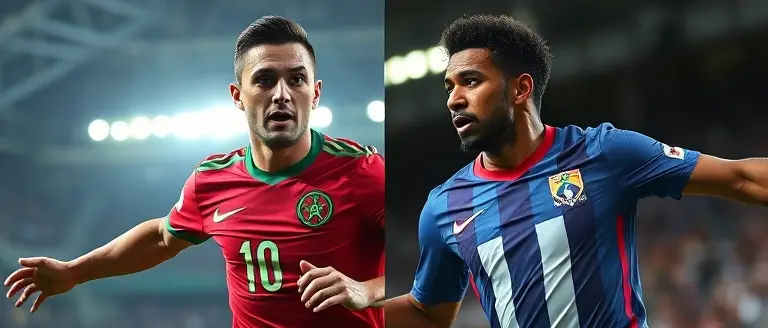
The marruecos vs haiti clash at the Mercedes-Benz Stadium was defined by individual brilliance, specifically the tactical influence of Ismael Saibari and Wilson Isidor. While the final 2-2 scoreline suggests a balanced affair, the game was largely a showcase of these two playmakers exploiting defensive transitions. Saibari’s ability to operate in the half-spaces allowed Morocco to sustain pressure, while Isidor served as the primary outlet for Haiti’s counter-attacking strategy.
Tactical Impact and Positioning
Ismael Saibari’s performance for marruecos centered on his technical composure under pressure. His equalizer was not merely a finish; it was the result of high-IQ positioning, where he identified a lapse in the Haitian defensive block to strike from the edge of the area. Conversely, Wilson Isidor provided the clinical edge that Haiti desperately required to challenge a more established side. His goal underscored the effectiveness of his direct running style, which consistently forced Moroccan defenders to backtrack, preventing them from holding a high line comfortably.
- Ismael Saibari: Demonstrated elite spatial awareness, acting as the primary pivot between the midfield and the final third. His contributions were vital in maintaining possession density for Morocco.
- Wilson Isidor: Excelled in isolated 1v1 situations. His pace proved to be the ultimate disruptor, turning broken plays into legitimate scoring threats for Haiti.
The brilliance of these two athletes has elevated their profiles significantly within this 2026 FIFA World Cup group. Analysts note that their ability to exploit defensive gaps—often created by the high-stakes pressure of the tournament—made them the undeniable focal points of the match. For scouts and fans alike, the marruecos vs haiti encounter proved that individual dynamism remains the most effective tool for breaking down organized international defenses. As the tournament progresses, the reliance on these creative engines will likely increase, cementing their status as the breakout stars of Group C.
Group C Scenarios: How the 2-2 Draw Reshapes the Table
The hard-fought 2-2 result in the marruecos vs haiti clash at Mercedes-Benz Stadium has introduced significant volatility to the Group C standings. By splitting the points, both nations have left their fate hanging in the balance, forcing a high-stakes final round of group stage fixtures. For Marruecos, the draw serves as a tactical setback, as they had hoped to solidify a top-seed position heading into the knockout stages. Conversely, the result serves as a massive morale booster for Haiti, who demonstrated the grit necessary to compete against a seasoned tournament contender.
Mathematical Implications for Advancement
With the table now tightened, the goal difference has become the primary talking point for analysts. Because the marruecos vs haiti match ended in a stalemate, the tie-breaking rules could be the deciding factor for who secures the second spot in the group. If both teams secure similar results in their closing games, the total goal differential across all three matches will be the final arbiter of progression.
- Morocco’s Path: They must pursue a decisive victory in their final group match to avoid relying on the outcome of the other group fixture. A win would likely guarantee qualification, whereas another draw would force them to wait on the goal-difference math.
- Haiti’s Path: Having effectively neutralized a favorite, Haiti now controls their own destiny. A win would put them in an excellent position to advance, provided they maintain discipline against their next opponent.
Evidence from the match suggests that defensive lapses were the primary culprit for both sides during this marruecos fixture. Moving forward, both teams must prioritize a more disciplined defensive structure. Any further points dropped will almost certainly result in a premature exit, making the final matches of the group stage a “must-win” environment for both squads. Fans are now closely monitoring these scenarios, as the path to the knockout rounds remains wide open for all teams in this competitive group.
Road to the Knockouts: What this Result Means for Advancement

The 2-2 draw between marruecos vs haiti at the Mercedes-Benz Stadium has significantly altered the strategic landscape of Group C. By splitting the points, both nations have left their qualification destinies hanging in the balance, effectively turning their respective final group matches into de facto elimination games. For Marruecos, the objective remains clear but considerably more pressurized; they must now rely on superior goal difference or a decisive victory in their next fixture to avoid the uncertainty of the third-place rankings. The team’s inability to close out the match against a resilient Haitian side suggests that tactical discipline in defensive transitions must be the primary focus for the coaching staff heading into the Round of 32 push.
Strategic Implications and Pressure Points
The draw creates a complex scenario where individual performances become secondary to collective tournament math. For Haiti, this result serves as a massive psychological boost, yet it forces them to adopt a more aggressive attacking posture in their closing match to guarantee advancement. Analysts monitoring the marruecos vs haiti developments suggest that the following factors will dictate the path to the knockout stages:
- Defensive Reliability: Both squads demonstrated susceptibility to counter-attacks. Tightening the backline will be the top priority to prevent conceding momentum-shifting goals.
- Goal Difference Management: With the group stage outcome potentially coming down to math, both teams are incentivized to pursue high-scoring victories rather than cautious draws.
- Tactical Flexibility: Coaches must decide whether to rotate personnel to manage fatigue or field their strongest XI to secure immediate points.
Ultimately, this result means that the margin for error has effectively vanished. As marruecos prepares for their next challenge, they must rectify the gaps in midfield coverage that allowed Wilson Isidor to exploit their defense, while Haiti must prove that their high-intensity performance was not a singular outlier. The path to the knockout stages is now wide open, making the remainder of the group play a must-watch for tournament followers.
Mastering the Tactical Landscape of the 2026 World Cup
The stalemate between Morocco and Haiti has effectively turned Group C into a high-stakes chess match, where every tactical adjustment in the coming days will determine which nations survive to the knockout stages. Analyzing these intricate scenarios requires more than just passion; it demands a level of analytical precision that can easily be dulled by the mental fatigue of tracking dense tournament data. Just as the players on the pitch need peak mental sharpness to execute complex tactical shifts under pressure, your ability to digest these nuances depends on a state of absolute cognitive clarity.
This is where The Brain Song becomes an essential companion for the dedicated sports enthusiast. Designed to enhance focus and reduce mental fog, this 12-minute audio routine provides the cognitive edge necessary to process, analyze, and master the complex performance metrics of your favorite teams. By integrating this tool into your daily preparation, you ensure that you don’t just watch the game, but truly understand the mechanics behind every critical turning point in the tournament.
Elevate your analytical performance and transform how you engage with elite football. Whether you are breaking down player heat maps or forecasting group stage advancement, optimal clarity is your ultimate advantage. Start your journey toward sharper, more focused analysis today.
 Sharpen your focus to master every detail of the tournament; experience the 12-minute audio routine that powers your analytical edge.Yes, I Want to Sharpen My Focus Now!