
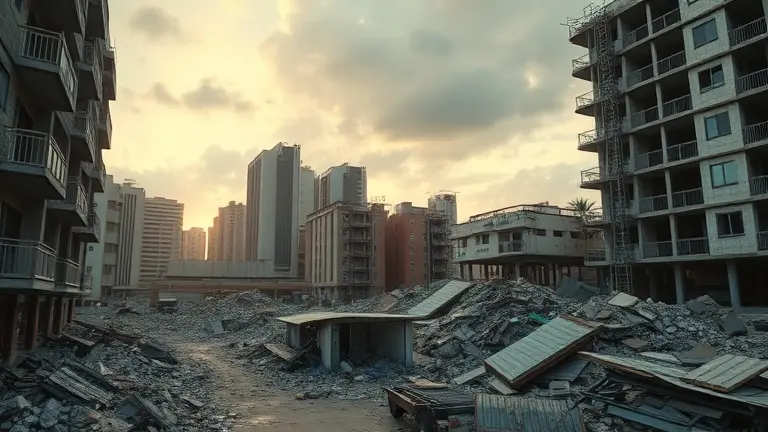
On the evening of June 24, 2026, the north-central region of Venezuela, including the capital city of Caracas, was struck by two powerful, back-to-back earthquakes with initial magnitude reports of 7.1 and 7.5. These seismic events have caused widespread structural damage, triggered localized panic, and prompted critical tsunami advisories across the Caribbean. With major infrastructure, such as the Caracas airport, sustaining significant damage, residents are now facing an urgent, high-stakes recovery phase marked by profound uncertainty.
As the dust settles, the immediate priority for many is not just survival, but assessing the structural integrity of their homes and businesses. This article serves as a dedicated hub for verified safety information, providing clarity on the geological nature of these quakes, essential emergency service contacts, and, most importantly, professional-grade guidance for those looking to safely secure their properties amidst the ongoing recovery efforts.
Update: June 24, 2026 Venezuela Earthquakes – Magnitude 7.1 and 7.5
On June 24, 2026, the north-central region of Venezuela experienced a harrowing seismic event characterized by two back-to-back earthquakes that sent shockwaves through the capital, Caracas. According to data from the USGS, the initial tremors were recorded between 16:00 and 16:30 local time, with initial magnitude reports of 7.1 and 7.5. These powerful shifts, centered at approximately 10.3N, 68.4W, caused widespread structural failure across the metropolitan area, including reports of building collapses and severe damage to the Caracas airport terminals, effectively grounding commercial air traffic. The intensity of the earthquake in Venezuela has triggered emergency protocols nationwide, as local authorities struggle to assess the full extent of the casualties amidst the destruction.
Regional Tsunami Risks and Infrastructure Impact
The dual nature of this seismic activity has prompted international concern regarding secondary hazards, specifically the threat of a tsunami. Meteorological agencies, including those monitoring the Caribbean, issued immediate tsunami advisories for neighboring territories, most notably Puerto Rico and the U.S. Virgin Islands. Residents in these regions are urged to monitor official government alerts closely, as the potential for coastal surges remains a high-priority risk factor.
Key developments regarding the incident include:
- Seismic Data: Two major events were confirmed by international monitoring agencies with magnitudes of 7.1 and 7.5.
- Infrastructure Status: The Caracas airport is currently facing significant operational disruptions due to terminal damage, complicating humanitarian and logistical responses.
- Safety Protocols: Official alerts remain in place; individuals are cautioned against entering compromised structures and advised to prioritize evacuation to higher ground in coastal zones.
- Ongoing Monitoring: Experts continue to analyze the geological triggers behind this terremoto Venezuela event to determine the likelihood of further aftershocks.
Emergency responders are currently prioritizing search and rescue operations in the most heavily damaged districts of Caracas. Public information remains fluid, and citizens are encouraged to rely on verified government bulletins to avoid the spread of misinformation regarding this earthquake Venezuela event.
Safety and Preparedness: Navigating Tsunami and Structural Risks

In the aftermath of the severe earthquake in Venezuela, prioritizing personal safety is the immediate mandate for residents in Caracas and surrounding coastal regions. With tsunami advisories active for Puerto Rico and the U.S. Virgin Islands, coastal populations must treat high-ground evacuation as a life-saving necessity. If you are near the coast, do not wait for official sirens; move inland or to elevated areas at least 100 feet above sea level immediately if you feel strong shaking or observe abnormal sea level changes. Avoid the shoreline entirely, as subsequent waves can arrive hours after the initial seismic event.
Structural Safety Checklist
Following a terremoto Venezuela event of this magnitude, structural integrity cannot be assumed. Before re-entering any home or office, conduct a cautious visual inspection:
- Gas Leaks: If you smell sulfur or hear a hissing sound, do not use light switches or open flames. Leave the area immediately and report the leak from a safe distance.
- Electrical Hazards: Check for frayed wires, sparking, or water-damaged appliances. Turn off the main breaker if you suspect internal damage to the electrical system.
- Structural Damage: Inspect load-bearing walls for deep, diagonal cracks. If you notice sagging ceilings or doors that no longer close properly, evacuate the structure as it may be prone to collapse during aftershocks.
- Debris: Watch for fallen glass, broken masonry, and loose fixtures that may pose secondary injury risks.
Communication Strategies During Network Congestion
During a major Venezuela earthquake, cellular networks often suffer from extreme congestion. To ensure your distress signals reach emergency services, switch to SMS or text-based messaging, which require significantly less bandwidth than voice calls. Avoid placing non-emergency calls to keep lines open for search and rescue operations. If you are trapped, utilize whistles or taps on pipes to alert responders rather than shouting, which can lead to exhaustion and the inhalation of dangerous dust particles. Always maintain an emergency “go-bag” with critical documents, water, and a battery-powered radio to stay updated on the latest bulletins from official sources like the USGS.
Travel Advisories: Is It Safe to Visit Venezuela?
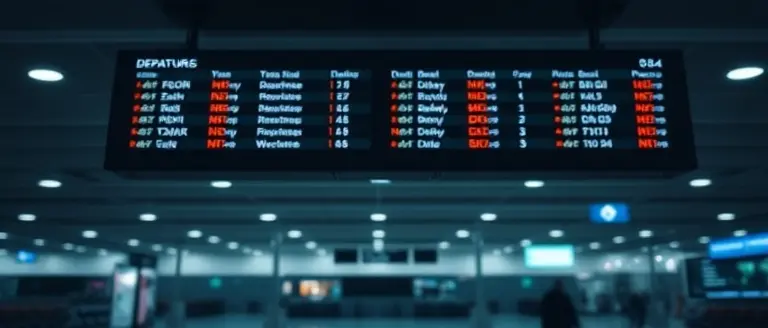
Following the devastating back-to-back seismic events on June 24, 2026, the current travel landscape in Venezuela is extremely volatile. Authorities and international observers strongly advise against all non-essential travel to the north-central region, particularly the capital, Caracas. The earthquake in Venezuela has compromised critical infrastructure, including major airport facilities, leading to widespread operational disruptions. Travelers currently in the country should prioritize securing their safety, while those with upcoming flights should expect prolonged cancellations and significant delays as structural assessments continue at primary transit hubs.
Airport Status and Flight Disruptions
The structural integrity of the main international gateway in Caracas remains under review following the tremors. Reports indicate varying degrees of terminal damage that have effectively halted most commercial operations. Before attempting to reach the airport, passengers must verify their flight status directly with their airline, as ground transportation routes throughout the region are currently obstructed by debris and emergency relief traffic.
To ensure you have the latest information regarding your travel plans, please adhere to the following steps:
- Contact Airlines Directly: Do not rely solely on third-party booking sites; check official airline apps or dedicated customer service channels for rebooking and cancellation policies.
- Monitor Government Alerts: Follow official updates from your home country’s embassy or consulate regarding evacuation assistance or movement restrictions within the country.
- Exercise Extreme Caution: If you are currently in the affected zone, avoid buildings that show visible signs of structural stress and stay tuned to local broadcasts for updates on potential tsunami risks or aftershocks.
- Avoid Non-Essential Travel: Until official government clearance is issued, the seismic risk and ongoing emergency response efforts make the north-central region unsafe for tourism or business travel.
The situation remains fluid, and the primary focus of local authorities is search and rescue rather than the restoration of travel services. Visitors are urged to maintain a high level of vigilance and follow all directives from local security forces regarding transit.
How to Help: Verified Humanitarian Aid and Relief
In the wake of the devastating earthquake in Venezuela, the international community and residents abroad are eager to provide support. However, during humanitarian crises of this magnitude, it is critical to exercise extreme caution when donating. Fraudulent solicitation is a common byproduct of breaking news events, and victims often lose funds to unverified social media campaigns. To ensure your contribution directly aids those impacted by the terremoto Venezuela, prioritize established international organizations with a proven logistical track record on the ground in South America.
Recommended Channels for Humanitarian Support
To maximize the efficacy of your donation, direct your support toward organizations that have already initiated emergency response protocols following the seismic activity near Caracas:
- The International Federation of Red Cross and Red Crescent Societies (IFRC): They are currently coordinating with local branches to provide medical assistance and emergency shelter to those displaced by the venezuela earthquake.
- United Nations Agencies (UNHCR/UNICEF): These agencies are active in the region and focus on long-term structural relief, ensuring that food, water, and sanitation supplies reach the most vulnerable populations.
- Direct Relief: This organization specializes in medical logistics and is often the first to coordinate the delivery of essential pharmaceuticals and surgical equipment to hospitals facing infrastructure damage.
How to Identify Legitimate Donation Portals
Before submitting any financial information, follow these verification steps to protect yourself from scams:
- Verify the URL: Ensure the website address begins with “https://” and check for slight misspellings in the domain name that often characterize phishing sites.
- Avoid Unofficial Peer-to-Peer Requests: Do not donate via anonymous social media handles or unverified private crowdfunding pages, regardless of the emotional nature of the post.
- Check for Transparency: Legitimate organizations publish annual reports and clear impact statements detailing how disaster funds are allocated.
By channeling your resources through verified, institutional pathways, you ensure that aid reaches the front lines of the rescue effort effectively while mitigating the risk of financial fraud during this unstable period.
Securing Your Home After the Venezuela Earthquake
As the initial chaos following the June 24, 2026, earthquake in Venezuela subsides, the focus must shift from immediate panic to systematic, long-term structural recovery. While international aid organizations and local authorities coordinate large-scale relief, the safety of your own household depends on your ability to accurately assess and stabilize the damage left in the wake of these seismic events.
We understand that relying on amateur improvisation during such a critical time is not only stressful but dangerous. To ensure your home is reinforced correctly, you need access to reliable, verified structural blueprints that eliminate the guesswork of emergency repairs. This is why we recommend the Ted’s Woodworking library—a professional-grade resource that acts as an essential ‘Structural Recovery Toolkit’ for those facing the aftermath of a disaster.
By utilizing these 16,000+ tested plans, you move away from risky, unstable fixes toward engineering-backed stability, providing you with the exact material lists and diagrams required to secure your property safely and efficiently. Don’t leave the structural integrity of your living space to chance; take proactive, technical control of your recovery process today.
 Access the comprehensive library of tested building plans to secure your home and perform essential structural repairs with total technical certainty.Secure My Home with Tested Blueprints Now!