

The silence at Gillette Stadium on June 23, 2026, spoke volumes—a 0-0 draw between England and Ghana that sent shockwaves through Group L. While England entered the match as the heavy favorites following a high-octane 4-2 victory against Croatia, they found themselves completely stymied by a masterful, resilient Ghanaian defensive wall. This unexpected stalemate has not only shaken the group standings but has left fans, pundits, and analysts scrambling to determine what lies ahead for both nations in this condensed World Cup schedule.
For supporters, the frustration of the draw is met with the undeniable tactical brilliance of Ghana’s defensive execution. As the focus shifts from the pitch to the complex calculations of the Round of 32, understanding the remaining qualification path is critical. In this deep dive, we break down the post-match group dynamics, the defensive strategies that neutralized England’s attack, and exactly what each team needs to do to survive the final group stage fixtures.
England vs. Ghana: The Foxborough Standoff
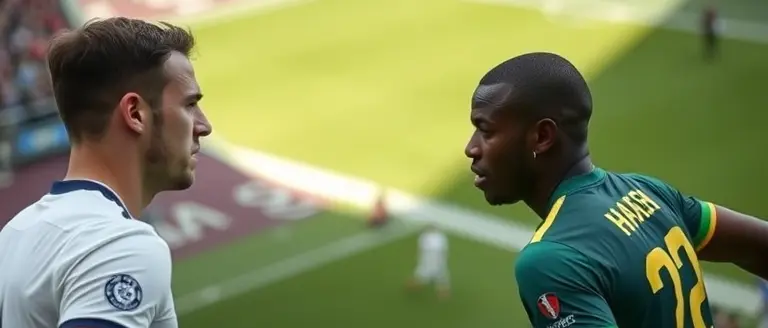
The atmosphere at Gillette Stadium on June 23, 2026, was electric, but the final scoreline told a story of frustration for the England national football team. Entering the match as heavy favorites following their clinical 4-2 opening victory against Croatia, England’s squad under Thomas Tuchel failed to replicate that offensive fluidity against a highly disciplined Ghana side. The 0-0 draw in this critical Group L fixture has sent shockwaves through the tournament, proving that even the most formidable favorites can be neutralized by a well-organized defensive structure.
Tactical Resilience and the Defensive Wall
Ghana’s strategy was masterfully executed, centered on clogging the midfield and denying space to England’s playmakers. By forcing the england world cup squad to operate in wide areas, the Ghanaian defense ensured that star striker Harry Kane remained isolated for long stretches of the game. Key defensive maneuvers included:
- Maintaining a compact low block that frustrated England’s transition play.
- The standout performance of Caleb Yirenkyi, who effectively marshaled the backline to stifle rapid counter-attacks.
- Limiting high-danger opportunities, forcing England to rely on long-range efforts that failed to test the keeper.
This stalemate serves as a significant wake-up call for the Three Lions. While England still remains in a strong position within Group L, the inability to break down Ghana’s defense highlights potential vulnerabilities in their tactical setup against physical, counter-attacking teams. Conversely, for Ghana, this result is a massive boost in morale, proving they have the defensive grit to compete against elite nations. As fans look toward the england national football team vs ghana national football team standings, it is clear that the path to the Round of 32 has become increasingly unpredictable, with the remaining group stage matches now carrying immense pressure for all involved.
Group L Standings and Qualification Scenarios
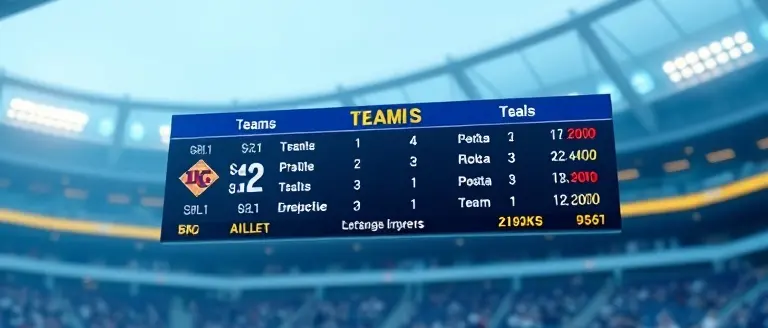
The 0-0 stalemate at Gillette Stadium has turned Group L into one of the most competitive brackets in the 2026 FIFA World Cup. While the England national football team remains in a strong position, the result has tightened the race for the top two spots significantly, forcing Thomas Tuchel to recalibrate his tactical approach for the final group stage fixture. Below are the current standings as we head into the concluding round of games:
| Team | Played | Points | Goal Difference |
| :— | :— | :— | :— |
| England | 2 | 4 | +2 |
| Ghana | 2 | 2 | 0 |
| Croatia | 2 | 1 | -1 |
| Panama | 2 | 1 | -1 |
England’s Path to the Round of 32
Despite the frustration of failing to break down a resilient defense in the England vs Ghana match, the Three Lions still control their own destiny. A win or a draw in their final match against Panama will mathematically guarantee their progression to the knockout stages. If England loses, they will need a favorable result in the Croatia versus Ghana fixture to remain in the top two based on goal difference.
Ghana’s Qualification Strategy
The Ghana national football team demonstrated a masterful defensive clinic in Foxborough, with standout performances neutralizing the English attack. To secure advancement, Ghana must prioritize a win in their final match. With two points from two draws, they are currently unbeaten but lack the cushion of a victory. A win would put them on five points, effectively leapfrogging the competition, while another draw would force them to rely heavily on tie-breaker metrics against Croatia or Panama.
For fans following the england world cup journey, the final matchday is now a must-watch event, as the defensive discipline shown by the Black Stars has proven that Group L remains wide open for any of the four nations to claim a spot in the next round.
Tactical Breakdown: How Ghana Neutralized the English Attack
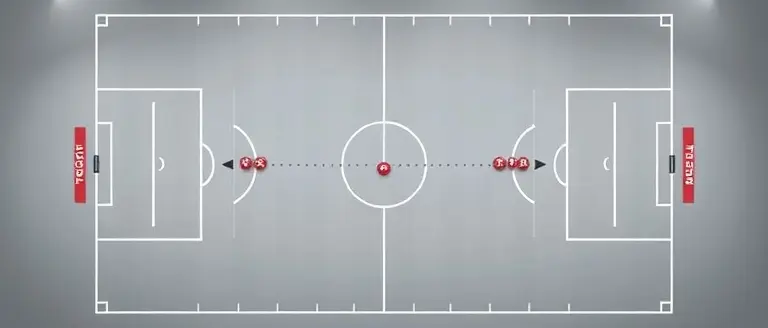
The stalemate at Gillette Stadium was a masterclass in defensive organization, as the Ghana national football team effectively stifled the high-octane offensive setup of the England national football team. Throughout the England vs Ghana match, the Black Stars utilized a disciplined low-block structure that forced England’s playmakers to recycle possession in non-threatening areas. By maintaining an extremely compact defensive shape, Ghana limited the space between their lines, effectively neutralizing Harry Kane and preventing the English midfield from finding pockets of space in the final third.
Key Defensive Strategies
Evidence suggests that the tactical preparation under the Ghanaian coaching staff was designed specifically to disrupt England’s tempo. Key components of their defensive success included:
- Aggressive Midfield Neutralization: Ghana utilized tactical fouls in the middle third to break up play whenever England attempted to transition rapidly, preventing counter-attacking opportunities.
- Double-Teaming Key Playmakers: Whenever England attempted to build through the center, Ghanaian defenders—led by the standout performance of Caleb Yirenkyi—consistently double-teamed England’s creative outlets, forcing them to distribute the ball wide.
- Compact Low-Block: By keeping their defensive line deep, Ghana effectively negated England’s pace, forcing the Three Lions to rely on low-percentage crosses that were comfortably dealt with by the Ghanaian backline.
Under manager Thomas Tuchel, England struggled to adapt to this rigid structure. Despite controlling the majority of possession, England failed to find a creative spark in the final third, appearing frustrated as their traditional patterns of play were repeatedly blocked. As the Group L standings tighten, this match highlights a potential vulnerability in England’s tactical approach when facing low-block opponents. For Ghana, this result serves as a massive boost, proving their ability to compete with world-class opposition and keeping their qualification hopes alive in a highly competitive 2026 FIFA World Cup group.
The Road Ahead: What England Must Adjust

Following the frustrating 0-0 draw at Gillette Stadium, Thomas Tuchel faces immediate pressure to recalibrate his tactical setup as the England national football team navigates the complexities of Group L. While England remains in a strong position following their opening win, the match against Ghana exposed a vulnerability to disciplined, low-block defensive structures. To secure a place in the Round of 32, England must transition from a possession-heavy approach to one that prioritizes verticality and faster transitions to dismantle compact defensive lines.
Tactical Shifts and Squad Rotation
The stalemate revealed that relying solely on static build-up play is ineffective against physically imposing defenses like Ghana’s. To maximize their chances in the upcoming fixtures, tactical adjustments are essential:
- Aggressive Midfield Overhaul: Tuchel may look to introduce more progressive passers in the central channels to bypass the defensive shell that neutralized Harry Kane and the attacking unit.
- Tactical Width: Expanding the play to the flanks using more advanced wing-backs could stretch organized defenses, creating the necessary gaps for attackers to exploit.
- Rotation for Fresh Legs: Given the intensity of the 2026 FIFA World Cup schedule, rotating key squad players will be vital to maintain the high-pressing energy required to force turnovers high up the pitch.
Evidence suggests that England’s success depends on their ability to adapt to high-pressing opponents who prioritize physical disruption. By shifting toward a more aggressive, high-tempo formation, the team can regain their offensive rhythm. Ensuring a dominant performance in the final group stages is no longer just a luxury—it is a necessity to guarantee a comfortable route to the knockout rounds and restore momentum after the stagnant showing against the Ghanaian defense.
Decoding the Path to the Round of 32
The stalemate at Gillette Stadium has turned Group L into a tactical minefield, forcing England to rethink their strategy while Ghana stands tall as the tournament’s most disciplined defensive unit. Whether you are crunching the numbers for qualification scenarios or dissecting the defensive shape that frustrated the Three Lions, the complexity of this World Cup requires more than just casual observation—it demands a high-performance cognitive state to navigate the data.
Much like the tactical precision required by England to break down Ghana’s defense, your own ability to process these intricate qualification scenarios depends on peak cognitive focus. Mental fatigue is the enemy of any serious analyst, especially when trying to retain multiple match-day variables and standings. This is where The Brain Song becomes your essential competitive advantage.
By clearing away the cognitive fog, this routine allows you to synthesize complex sports data with total clarity. Don’t let mental sluggishness prevent you from seeing the patterns that define who makes it to the knockout stage. Enhance your analytical performance and command the data with the same intensity as the players on the pitch.
 Sharpen your analytical edge and master these qualification scenarios—try the 12-minute Brain Song routine today.Yes, I Want This Now!