
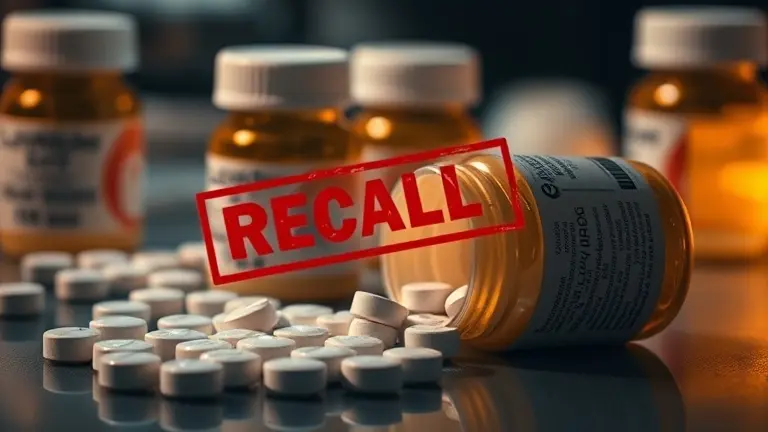
Are you concerned about the recent nationwide Chlorthalidone recall? If you rely on this common blood pressure medication, the news of 11,460 bottles being recalled due to a “failed dissolution” issue may have left you feeling anxious about your treatment efficacy. When a pill fails to dissolve properly, it simply cannot work as intended, potentially leaving your hypertension unmanaged. However, remaining calm is your first step toward safety.
This article is designed to cut through the noise of breaking news reports by providing you with actionable, patient-centric guidance. We will break down exactly how to verify your medication, what the “failed dissolution” issue actually means for your health, and how to work safely with your pharmacist to secure a replacement. You are not alone in this, and with a few clear steps, you can confidently navigate this recall while keeping your heart health a top priority.
Understanding the Chlorthalidone 25mg Nationwide Recall

In late June 2026, a significant nationwide drug recall was initiated concerning Chlorthalidone 25mg tablets, a common medication prescribed for the management of hypertension (high blood pressure) and edema. This safety action, which involves a total of 11,460 bottles, specifically impacts 100-count and 1000-count packaging. The recall was prompted by a manufacturing error identified as a “failed dissolution” issue. While such news can be concerning for patients relying on daily blood pressure control, it is important to understand the technical nature of this defect to avoid unnecessary anxiety while taking appropriate action to ensure medication safety.
What Does “Failed Dissolution” Mean?
In clinical terms, a failed dissolution means that the medication tablet may not break down or dissolve in the digestive tract as intended. When a drug does not dissolve properly, the body may not be able to absorb the active ingredient efficiently, leading to compromised therapeutic efficacy. Essentially, if the tablet fails to dissolve, it may not effectively lower blood pressure to the levels your physician has targeted. This is not necessarily a safety issue involving a toxic contaminant, but rather a quality control failure that impacts the medication’s ability to perform its function.
Key points regarding the Chlorthalidone recall include:
- Scope of the Issue: The recall is strictly limited to 25mg tablets distributed in 100-count and 1000-count bottles.
- Primary Concern: Reduced effectiveness, which could lead to suboptimal blood pressure control if left unaddressed.
- Action Required: Patients should not stop their medication abruptly. Instead, verify your specific bottle against official lot numbers and consult your pharmacist or primary healthcare provider immediately.
If you are currently taking Chlorthalidone 25mg, do not assume your specific supply is affected without verification. Healthcare providers and pharmacists are equipped to help you identify if your medication is part of the recalled batches and can guide you through the process of obtaining a safe, effective replacement if needed. Always prioritize clinical guidance over self-discontinuation to keep your blood pressure within a healthy range.
How to Identify if Your Medication Is Affected

If you are currently taking chlorthalidone 25mg for hypertension, it is essential to determine whether your specific supply is part of the nationwide recall. Because the recall involves 11,460 bottles, identifying potentially impacted medication requires a systematic approach to reviewing your pill bottle or pharmacy packaging. Please note that this recall specifically targets the 25mg dosage form, typically distributed in 100-count or 1000-count bottles.
Steps to Verify Your Chlorthalidone Supply
To confirm if your medication is affected by the chlorthalidone recall, follow these precise steps:
- Locate the Manufacturer Details: Look at the original manufacturer’s label on your medication bottle. This should list the specific pharmaceutical company responsible for production.
- Identify the Lot Number: Search for the “Lot Number” or “Batch Number” printed on the label, usually located near the expiration date. This is the most critical piece of information for matching your bottle against the official FDA recall database.
- Check the NDC and Expiration Date: Verify the National Drug Code (NDC) number and the expiration date. Recalled products often fall within specific production runs that are tracked by these identifiers.
- Cross-Reference with Official Sources: Visit the official FDA website or the manufacturer’s recall notification page to view the list of affected lot numbers. If your lot number matches one listed in the public announcement, your medication is part of the recall.
What to Do If Your Medication Is Affected
If you discover that your bottle is part of the recall, do not panic and do not abruptly stop taking your blood pressure medication. Stopping antihypertensive therapy without medical supervision can lead to a dangerous spike in blood pressure. Instead, place the bottle in a secure location and contact your pharmacist immediately. They can verify the recall status using their internal systems and facilitate a safe exchange for a replacement that is not affected by the failed dissolution issue. Always keep your pharmacist or primary care physician informed before making any adjustments to your established medication regimen.
Safety First: Immediate Steps for Patients
If you suspect your medication is impacted by the recent chlorthalidone recall, the most critical rule is to avoid panic. While the recall of 11,460 bottles of 25mg tablets is a serious regulatory action due to a failed dissolution issue, you should not stop taking your blood pressure medication abruptly. Discontinuing hypertension treatment without medical oversight can cause dangerous spikes in blood pressure, potentially leading to cardiac stress or other health complications.
How to Verify and Act on Your Medication
To determine if your prescription is part of the recall, you must first inspect your medication bottle. Look for the manufacturer’s lot number, expiration date, and National Drug Code (NDC) located on the label.
- Locate Your Details: Check your pill bottle for the specific lot number associated with the recall. If you have misplaced the original packaging, check your pharmacy portal or contact your pharmacist directly.
- Contact Your Pharmacist: Pharmacies are equipped to cross-reference your specific lot number against the manufacturer’s recall list. They can also facilitate an immediate exchange for a safe, non-recalled batch of the medication.
- Consult Your Healthcare Provider: If you are unable to confirm the status of your bottle or if you are experiencing side effects that you believe are related to a change in the medication’s effectiveness, contact your prescribing physician. They may advise a temporary change in dosage or switch you to a therapeutic alternative while the supply chain issues are resolved.
- Keep Records: If instructed to return your medication, ensure you receive documentation from the pharmacy. This helps track your return and ensures you are provided with a verified replacement.
The failed dissolution defect simply means the medication may not release properly in your digestive system, rendering it less effective at controlling your blood pressure. By taking these proactive, systematic steps, you can ensure your cardiovascular health remains protected while navigating the recall process. Always prioritize communication with your pharmacist, as they are your primary resource for medication safety and inventory verification.
Consulting Your Pharmacist and Physician

If you suspect your medication is part of the chlorthalidone recall, it is imperative that you do not discontinue your treatment abruptly without first speaking to a healthcare professional. Abruptly stopping blood pressure medication can lead to a dangerous spike in hypertension. Your pharmacist is often the most accessible resource for immediate verification, as they can cross-reference your specific prescription details—including the lot number and expiration date—against the official recall database. When you contact your pharmacy, have your medication bottle ready, as they will need the specific information printed on the label to determine if your supply is among the 11,460 bottles identified in the recall.
Preparing for Your Consultation
To make the most of your conversation with your doctor or pharmacist, consider preparing a list of specific questions. This helps ensure you receive actionable guidance and reduces the risk of gaps in your treatment plan. Consider asking the following:
- Verification: “Based on my specific lot number, is my medication part of the official recall?”
- Safety and Efficacy: “If my medication is affected, what are the health implications of the ‘failed dissolution’ issue, and should I be concerned about my recent blood pressure readings?”
- Next Steps: “Do I need a new prescription immediately, or is it safe to wait until I can return the affected bottles?”
- Disposal: “What is the safest way to dispose of the recalled medication, and can I receive a replacement at no additional cost?”
- Monitoring: “Should I increase the frequency of my home blood pressure monitoring while we transition to a new supply?”
In addition to these inquiries, maintain a log of your blood pressure readings in the coming days. If you notice persistent elevations, share this data with your physician immediately. Your doctor can evaluate whether your blood pressure management requires a temporary adjustment or if the current therapeutic strategy remains effective. Always prioritize professional medical guidance over general information, as your physician understands your full medical history and can best assess your individual risk factors during this transition.
Empowering Your Heart Health Journey
Navigating a medication recall can be a stressful experience, but staying informed is the most effective way to protect your well-being. By verifying your lot numbers and consulting with your pharmacist or doctor, you take control of your health and ensure you are using only safe, effective medication. Remember, this recall is a standard safety measure, not a cause for panic, and your healthcare team is equipped to help you manage this transition smoothly.
While you are verifying your medication status and consulting with your doctor, many patients are looking for natural ways to further support their heart health and stabilize their cardiovascular markers during this transition. This is where Cardio Slim Tea becomes a valuable ally in your daily wellness routine.
Cardio Slim Tea provides natural, plant-based metabolic and cardiovascular support designed to complement your lifestyle. As a stimulant-free companion, it helps you maintain a sense of balance and vitality while you manage your prescribed routine, adding an extra layer of confidence to your heart-health journey.
 Discover how Cardio Slim Tea can complement your heart-health journey and help you maintain steady energy while you manage your medication routine.Support My Heart Health Now!