
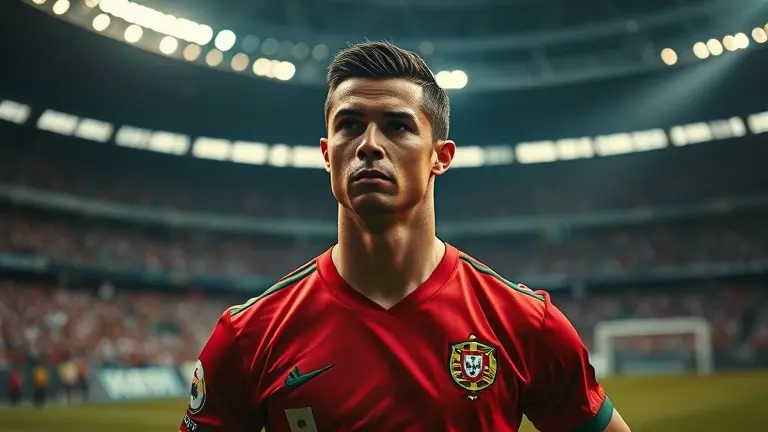
The atmosphere at NRG Stadium in Houston reached a fever pitch today as Portugal faced Uzbekistan in a pivotal Group K clash of the 2026 FIFA World Cup. While the match served as a tactical masterclass, with Nuno Mendes providing electric pace down the left flank and Portugal dictating the tempo, the eyes of the world were undeniably fixed on one figure: 40-year-old Cristiano Ronaldo. In what many are calling his final global campaign, the veteran icon demonstrated that his influence transcends mere physical presence; it is defined by a level of mental clarity and spatial awareness that remains peerless in the modern game.
This performance provided more than just highlights for the reel; it sparked a broader discussion about the intersection of longevity and elite cognitive function. As we move past the post-match headlines, we must analyze how Portugal successfully navigated Uzbekistan’s defensive structure, relying on Ronaldo’s decision-making in the final third. The ‘Ronaldo factor’ at age 40 invites a deeper look at how sustained peak performance is achieved—not just through physical training, but through the maintenance of a razor-sharp mind capable of operating under the immense pressure of the world’s biggest stage.
Portugal vs Uzbekistan: World Cup 2026 Group K Clash in Houston

The atmosphere at NRG Stadium in Houston reached a fever pitch today as Portugal vs Uzbekistan delivered a high-stakes encounter in Group K of the 2026 FIFA World Cup. With thousands of fans creating a vibrant, electric environment, the match served as a defining moment for both nations. For Portugal, the objective was clear: secure three points to cement their path toward the knockout stages. The tactical setup emphasized width and transition speed, with the squad looking to dismantle an organized Uzbekistan defense that proved more resilient than many analysts initially anticipated.
Tactical Highlights and The “Ronaldo Factor”
At 40 years of age, Cristiano Ronaldo remained the focal point of global attention, and his presence on the pitch continued to influence the rhythm of Portugal’s attack. While the veteran forward focused on intelligent positioning rather than sheer pace, his leadership and off-the-ball movement created crucial pockets of space for his teammates. Key takeaways from the performance included:
- Nuno Mendes’ Impact: The fullback’s overlapping runs were instrumental, effectively stretching the Uzbekistan backline and providing the necessary width to unlock a compact defense.
- Midfield Control: Portugal’s engine room maintained a high pass-completion rate, successfully neutralizing Uzbekistan’s attempts at counter-attacking.
- Defensive Stability: Despite a few threatening breaks from the underdogs, the Portuguese defensive unit held firm, showcasing the discipline required for a deep tournament run.
As the final whistle blew in Houston, the result placed Portugal in a commanding position within the World Cup 2026 Group K standings. This match underscored the evolution of this Portuguese squad; they are no longer reliant solely on individual brilliance but are operating with a cohesive, structured tactical identity. Moving forward, the team will look to carry this momentum into their next group stage fixture, having proven they can handle the pressure of tournament football on American soil.
The Cristiano Ronaldo Factor at 40: Analysis of His Performance

At 40 years old, Cristiano Ronaldo continues to command significant attention in the World Cup 2026 landscape. During the ongoing Portugal vs Uzbekistan analysis, it is clear that his role has shifted from the relentless transition attacker of previous decades to a refined, clinical focal point within the final third. Ronaldo’s performance at NRG Stadium highlights a deliberate evolution in his playstyle; rather than relying on explosive sprints, he utilizes elite-level spatial intelligence to occupy Uzbekistan’s defensive line, forcing the opposition to commit multiple markers to his vicinity. This tactical positioning effectively creates pockets of space for Portugal’s wingers and advancing midfielders, demonstrating that his value extends far beyond goal-scoring statistics.
Tactical Evolution and Influence
Ronaldo’s movement during this Group K encounter illustrates his mastery of “micro-positioning.” By dropping deep to receive the ball or pulling center-backs out of their compact shape, he facilitates smoother attacking transitions. This approach mitigates the natural physical decline associated with his age, ensuring he remains a constant threat without needing to cover excessive distance. Key observations regarding his gameplay today include:
- Intelligence over Acceleration: He frequently utilizes clever body feints and quick one-touch passes to bypass the high-press of the Uzbek defensive block.
- Decoy Positioning: By hovering near the shoulder of the last defender, he keeps the backline pinned, granting Nuno Mendes and other fullbacks the freedom to overlap effectively.
- Leadership and Composure: His ability to dictate the tempo in high-pressure moments remains vital for Portugal’s offensive structure as the tournament progresses.
While critics often question his stamina, this Cristiano Ronaldo performance suggests that the Portuguese captain has successfully transitioned into a quintessential “target man” with elite vision. His presence serves as the fulcrum for the team’s tactical system, proving that at age 40, his tactical acumen is just as lethal as his raw athleticism once was.
Tactical Breakdown: Portugal’s Strategy and Uzbekistan’s Resilience
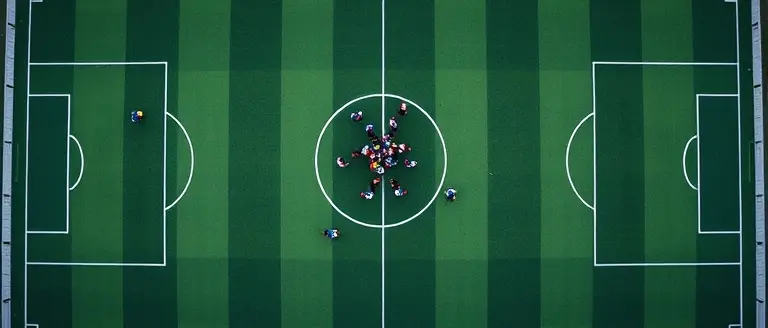
In this Portugal vs Uzbekistan analysis, the tactical narrative at NRG Stadium centered on Portugal’s attempt to break down a rigid, disciplined low block. Portugal utilized an aggressive 4-3-3 formation, heavily relying on the overlapping runs of Nuno Mendes to stretch the pitch. By pushing high up the flank, Mendes forced Uzbekistan to compromise their defensive shape, creating pockets of space in the half-spaces for playmakers to operate. Portugal’s ball possession was clinical, prioritizing rapid circulation to pull the Uzbek defensive line out of position, though they frequently faced challenges in the final third against a congested central defense.
Defensive Transitions and Uzbekistan’s Counter-Attacking Strategy
Uzbekistan showcased remarkable resilience, sticking to a compact 5-4-1 structure that prioritized shielding the goal over aggressive pressing. Their transition strategy was built on quick vertical transitions to exploit the space left behind by Portugal’s marauding fullbacks. Key tactical observations from the match include:
- Portugal’s Control: Effective use of inverted wingers allowed the midfield to dominate the tempo, keeping Uzbekistan pinned deep for long stretches.
- Uzbekistan’s Discipline: The central trio of Uzbekistan’s midfield maintained a disciplined distance from their defensive line, effectively neutralizing the aerial threat posed by Cristiano Ronaldo.
- The Transition Gap: While Portugal enjoyed superior possession, their defensive transitions were occasionally vulnerable to Uzbekistan’s direct counters, requiring recovery pace from the center-backs.
Ultimately, the tactical battle highlighted the classic clash between a high-possession attacking philosophy and a low-block defensive system. While Portugal dominated the technical statistics, Uzbekistan’s ability to remain organized under sustained pressure defined the match’s flow. For Portugal, finding the balance between offensive width and defensive security will be crucial as they progress through World Cup 2026 Group K, especially when facing opponents that demand greater defensive vigilance.
Looking Ahead: Group K Implications and Tournament Path
The outcome of this Portugal vs Uzbekistan analysis reveals a critical turning point for the European side as they navigate the complexities of World Cup 2026 Group K. By securing essential points at NRG Stadium, Portugal has significantly bolstered its standing, providing the squad with the necessary momentum to approach the final group stage fixtures with greater tactical flexibility. The match highlighted that while reliance on veteran leadership remains a cornerstone of their strategy, the integration of younger, high-energy defenders like Nuno Mendes is proving vital for defensive transitions. As the tournament progresses, the tactical discipline displayed against Uzbekistan will serve as a blueprint for avoiding upsets against lower-ranked opponents.
Strategic Outlook for Group K
With the group landscape now clearer, Portugal is well-positioned to challenge for the top seed, a placement that offers a more favorable path into the knockout rounds. The coaching staff must now focus on load management, particularly concerning the Cristiano Ronaldo performance metrics, ensuring that the legendary forward remains sharp for the high-intensity elimination games. Key factors that will dictate Portugal’s success in the coming weeks include:
- Defensive Cohesion: Maintaining the clean-sheet stability witnessed in Houston will be non-negotiable against more clinical attacking sides in the Round of 32.
- Tactical Versatility: The team must demonstrate an ability to break down low-block defenses, a recurring challenge for top-tier European squads in FIFA tournaments.
- Group Momentum: Building on this win allows manager Roberto Martínez to experiment with rotation, keeping the roster healthy and hungry as the intensity of the World Cup spikes.
As expectations shift toward the deeper stages of the competition, Portugal’s ability to manage fatigue while maintaining tactical intensity will be the ultimate test of their championship credentials. If the current defensive efficiency continues, they remain strong favorites to emerge as group winners.
Beyond the Pitch: The Secret to Sustained Brilliance
As the final whistle blows at NRG Stadium, the conversation surrounding Portugal’s performance in Group K inevitably returns to the man at the center of it all: Cristiano Ronaldo. At 40, his ability to read the game, anticipate defensive shifts, and maintain composure under the searing pressure of a World Cup stage is nothing short of legendary. This tactical maturity, complemented by the explosive pace of Nuno Mendes and the fluidity of the midfield, has positioned Portugal as a formidable force, but it also forces us to consider the elusive quality that allows an athlete to defy the typical constraints of age.
Watching a legend like Ronaldo compete at the highest level at 40 begs the question: how does one maintain such razor-sharp mental focus when the physical demands are at their absolute peak? The answer isn’t just in the training ground; it is in the cultivation of cognitive longevity. Just as top-tier icons utilize specific mental protocols to remain sharp under intense pressure, you too can tap into that same state of peak performance. This is where The Brain Song becomes the essential tool for the modern, high-achieving individual.
By integrating the same principles that define world-class focus and mental stamina, The Brain Song is designed to help you overcome the cognitive fatigue that slows down the best of us. Whether you are navigating a high-stakes boardroom or simply striving for clarity in your daily life, this is your opportunity to mirror the mental agility of an elite athlete. It is the natural next step for anyone who values longevity and refuses to compromise on their potential.
 Discover the 12-minute daily routine that is helping professionals maintain the same level of mental clarity and focus that defines world-class performance.Yes, I Want This Now!