

In a candid and deeply personal revelation that has captivated the public, comedian and actor Moshe Kasher recently shared the details of his battle with Stage 1 HPV-related tonsil cancer. Known for his wit and recent standout performance in The Pitt, Kasher took to social media on June 22, 2026, to discuss the \”most terrifying\” ordeal of his life—a grueling five-hour surgery intended to remove the malignancy. While his story is framed by the fear and vulnerability of a cancer diagnosis, Kasher’s underlying message is one of profound optimism and a commitment to recovery, resonating with a fanbase now acutely aware of how quickly life can change.
Beyond the celebrity headlines, Kasher’s diagnosis offers a crucial opportunity to elevate the conversation surrounding HPV-related oral cancers and the non-negotiable importance of early detection. For many, a persistent lump or discomfort in the throat is easily dismissed, but as Kasher’s experience demonstrates, proactive medical evaluation is a literal lifesaver. This guide aims to demystify what Stage 1 HPV-related tonsil cancer looks like, why symptom awareness is your first line of defense, and how integrating daily oral health practices can help you stay ahead of potential health challenges before they escalate.
Moshe Kasher’s Tonsil Cancer Diagnosis: What We Know

On Sunday, June 22, 2026, actor and comedian Moshe Kasher, widely recognized for his recent performance in the series The Pitt, publicly disclosed that he had been diagnosed with Stage 1 HPV-related tonsil cancer. The 46-year-old performer shared his experience following a grueling five-hour surgical procedure, describing the ordeal as the most “terrifying and consciousness consuming” period of his life. Despite the intense psychological and physical toll of the diagnosis and subsequent operation, Kasher has maintained a resolute and optimistic outlook regarding his prognosis, clearly stating to his followers, “I will get better.”
Key Details of the Diagnosis and Procedure
The discovery of the malignancy began when Kasher identified a concerning lump, a symptom that serves as a critical indicator for oral and throat health. His decision to share his journey has provided a prominent case study in the importance of early detection. Medical professionals often emphasize that while a diagnosis of this nature is life-altering, catching the cancer at Stage 1 significantly increases the likelihood of a positive outcome. The primary facts surrounding the event include:
- Diagnosis: Stage 1 HPV-related tonsil cancer.
- Discovery: Prompted by the tactile identification of a lump.
- Treatment: A comprehensive five-hour surgery successfully performed to address the site of the tumor.
- Outlook: The actor has expressed high optimism, emphasizing that his focus is currently on his recovery and healing process.
By opening up about his experience, Kasher has effectively bridged the gap between personal celebrity health updates and vital public health education. His transparency encourages fans and the general public to remain vigilant about their own health. Recognizing symptoms early—such as persistent lumps, difficulty swallowing, or changes in the voice—is the most effective tool in managing HPV-related oral cancers. Kasher’s story highlights how immediate medical evaluation, when triggered by unusual physical findings, can lead to early clinical intervention and a trajectory toward recovery.
Understanding HPV-Related Oral Cancers: Symptoms and Risks
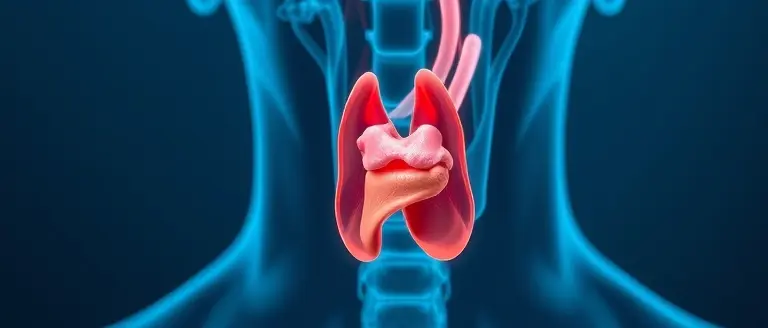
The recent public disclosure regarding Moshe Kasher’s tonsil cancer diagnosis has brought renewed attention to the rising incidence of oropharyngeal cancer associated with the Human Papillomavirus (HPV). While oral cancer was historically linked primarily to heavy tobacco and alcohol use, medical data now indicates that a significant percentage of tonsil and base-of-tongue cancers are driven by persistent high-risk HPV infections. These cancers often develop in the lymphoid tissue of the tonsils, which can make them difficult to detect in early stages without professional medical intervention.
Recognizing Early Warning Signs
Because these malignancies often mask themselves as minor or chronic illnesses, patients and healthcare providers must remain vigilant. Moshe Kasher’s surgery, which was prompted by the discovery of a suspicious lump, serves as a vital reminder that physical abnormalities in the head and neck region require prompt clinical investigation. Early detection is the most significant factor in achieving a positive prognosis for Stage 1 HPV-related tonsil cancer.
Be mindful of the following persistent symptoms that warrant an immediate evaluation by an otolaryngologist or primary care physician:
- Unexplained neck mass: A firm, painless lump in the neck area that does not go away after several weeks.
- Persistent sore throat: A sensation of irritation or pain that remains despite standard treatments or lack of a viral infection.
- Difficulty swallowing: Feeling as though something is stuck in the throat or experiencing pain while eating or drinking (dysphagia).
- Referred ear pain: Pain that occurs in the ear without an underlying ear infection, often caused by the inflammation of nerves shared with the throat.
- Voice changes: Noticeable hoarseness or alterations in vocal quality that persist for more than two to three weeks.
While these symptoms are frequently caused by benign conditions, the experience of public figures like The Pitt actor highlights the importance of not dismissing physiological changes. Proactive screening and open communication with medical professionals remain the gold standard for early intervention and effective long-term recovery.
Navigating the Procedure: A Look at Oropharyngeal Surgery

When public figures like Moshe Kasher share their journey through a Stage 1 HPV-related tonsil cancer diagnosis and subsequent surgery, it brings much-needed attention to the complexities of oropharyngeal treatment. A five-hour procedure for this type of cancer is often necessary to ensure that surgeons can achieve clear margins while preserving as much surrounding healthy tissue as possible. These operations typically involve transoral robotic surgery (TORS) or microscopic surgical techniques to access the tonsillar fossa and base of the tongue, where HPV-driven lesions frequently develop.
What Happens During Oropharyngeal Surgery?
The primary medical objective is the excision of the tumor. Because the tonsils are located in a high-traffic area for swallowing and speech, surgical precision is paramount. The five-hour duration mentioned in Kasher’s surgery likely accounts for:
- Precise Tumor Mapping: Utilizing advanced imaging to define the exact boundaries of the mass.
- Lymph Node Evaluation: Surgeons often perform a neck dissection to assess if the cancer has spread to local lymph nodes, which is a common staging step even in early-stage cases.
- Reconstructive Considerations: Ensuring the integrity of the throat’s structural pathways to maintain function post-recovery.
Recovery Trajectory and Timely Intervention
Early intervention—prompted in Kasher’s case by the discovery of a persistent lump—is the most significant factor in surgical success. When caught at Stage 1, the prognosis is generally excellent, as the cancer is localized. Recovery following such a significant operation requires a multidisciplinary approach, often involving a speech-language pathologist to assist with swallowing exercises and a nutritional team to support healing. Patients are typically advised that while the immediate surgical recovery takes several weeks, the return to full functional baseline is a gradual process. Kasher’s transparency highlights that while the experience is undeniably harrowing, early screening and quick action are the most effective tools in navigating an HPV-related oral cancer diagnosis. By prioritizing these symptoms, individuals can secure the best possible outcomes through timely medical intervention.
The Psychological Toll: Coping with a Cancer Diagnosis

Receiving a cancer diagnosis—regardless of the stage—is a life-altering event that triggers a profound psychological response. For comedian and The Pitt actor Moshe Kasher, the experience of navigating a Stage 1 HPV-related tonsil cancer diagnosis was described as the “most terrifying and consciousness consuming” moment of his life. Beyond the physical requirements of a five-hour surgery, patients often grapple with intense anxiety, existential dread, and the overwhelming feeling of a loss of control. The sudden transition from daily life to the status of a “patient” can be jarring, highlighting why mental health support is just as critical as the clinical treatment plan itself.
The Power of Vulnerability and Community
Public figures like Moshe Kasher sharing their journeys serves a dual purpose: it dismantles the stigma surrounding HPV-related oral cancers and provides a therapeutic outlet for the individual. By documenting his own Moshe Kasher surgery and recovery, the actor has fostered a sense of communal healing. Research indicates that social support systems significantly improve patient outcomes by reducing isolation and providing a sense of purpose during recovery.
- Validating Emotions: Acknowledging fear as a natural response rather than a sign of weakness.
- Leveraging Social Networks: Using platforms to share health updates, which can paradoxically provide a massive morale boost through fan support.
- Prioritizing Mental Healthcare: Incorporating therapy or support groups to process the trauma of the diagnosis alongside the physical healing process.
Ultimately, Kasher’s transparency regarding his tonsil cancer diagnosis underscores that vulnerability is a strength. By framing his journey with an optimistic outlook, he highlights how proactive medical evaluation—prompted by symptoms like a persistent lump—can save lives while emphasizing the necessity of maintaining mental resilience throughout the arduous journey of recovery.
Prioritizing Your Oral Wellness Journey
Moshe Kasher’s courageous decision to share his journey through Stage 1 HPV-related tonsil cancer serves as a vital reminder that health is often about the details we overlook. While early detection remains the gold standard for clinical success, maintaining a robust oral environment is the best daily defense we have. By being proactive, we shift the narrative from reacting to emergencies to actively fostering a body that is better prepared to handle environmental stressors.
While catching symptoms early is the most critical step in oral health, maintaining a healthy oral microbiome is a daily practice that shouldn’t be overlooked. This is where a targeted approach like ProDentim becomes invaluable. By focusing on the health of your mouth and upper respiratory system, ProDentim helps create an internal ecosystem that thrives on balance rather than inflammation, serving as an essential tool for those looking to support their overall wellness.
Taking steps toward long-term health literacy doesn’t have to be overwhelming; it starts with the choices you make every single day. Aligning your routine with products that promote oral health is a smart, proactive move that honors your body’s needs. By investing in your microbiome now, you are taking a definitive step toward resilience, ensuring your mouth remains a healthy, protected gateway to the rest of your body.
 Take control of your oral health today by supporting your mouth’s natural microbiome with ProDentim.Yes, I Want To Support My Oral Health Now!