

On June 23, 2026, the silence of the U.S. Supreme Court chambers shattered the constitutional protections long relied upon by the faithful behind bars. In a landmark decision, the Court ruled against Damon Landor, a Rastafarian man whose deeply held religious commitment—symbolized by his dreadlocks—was forcibly stripped away by prison officials. While the headlines focus on the narrow legal maneuver of ‘qualified immunity,’ the real story is the erosion of religious liberty and the dehumanization of those within our carceral system. This ruling effectively bars inmates from seeking monetary damages when their constitutional rights are violated, signaling a retreat from the robust protections once guaranteed under the Religious Land Use and Institutionalized Persons Act (RLUIPA).
As we unpack the implications of this case, we are forced to confront an uncomfortable reality: when the highest court in the land narrows the path to justice, the cost is paid in the dignity of vulnerable minorities. The legal jargon of ‘qualified immunity’ often obfuscates the moral gravity of such events, leaving the public struggling to process the systemic weight of these erosions. It is a moment that demands not just legal scrutiny, but a deep, empathetic look at the intersection of faith, bodily autonomy, and the fraying edges of our civil rights.
The Human Cost of the Supreme Court’s Latest Ruling: The Case of Damon Landor

On June 23, 2026, a landmark moment in supreme court news emerged, centering on the harrowing experience of Damon Landor, an incarcerated Rastafarian man whose spiritual identity was forcibly stripped away. Landor, who maintained his dreadlocks as a deeply held tenet of his faith, was subjected to a non-consensual head-shaving procedure by Louisiana prison officials. For followers of the Rastafarian faith, hair is not merely an aesthetic choice but a sacred vow—a physical manifestation of their devotion and spiritual connection to the divine. The act of cutting these locks is widely viewed as a profound violation of bodily autonomy and religious integrity.
The Conflict Between Faith and Institutional Control
The legal struggle that followed highlighted a stark collision between the Religious Land Use and Institutionalized Persons Act (RLUIPA)—designed to safeguard the religious expression of inmates—and the shield of qualified immunity. While Landor sought justice for the emotional and spiritual trauma inflicted upon him, the Supreme Court ruled against his pursuit of monetary damages. This decision underscores a troubling trend:
- Erosion of Protections: The ruling effectively narrows the ability of incarcerated individuals to hold state officials accountable for constitutional violations.
- The Barrier of Qualified Immunity: By prioritizing procedural government protections over individual religious rights, the Court has made it increasingly difficult for minority religious groups to seek redress.
- Spiritual Violation: The forced removal of dreadlocks represents more than just a grooming policy; it is a permanent severance of a practitioner’s religious expression that remains uncompensated under current judicial interpretation.
This ruling leaves many questioning the future of religious liberty within the American carceral system. By barring Landor from seeking damages, the Court has signaled that institutional administrative convenience may continue to supersede the fundamental rights of marginalized faith communities. Advocacy groups are now warning that this precedent could embolden officials to disregard religious rights with even greater impunity, leaving vulnerable populations without a viable path toward justice.
When Accountability Ends: Understanding the Monetary Damages Bar
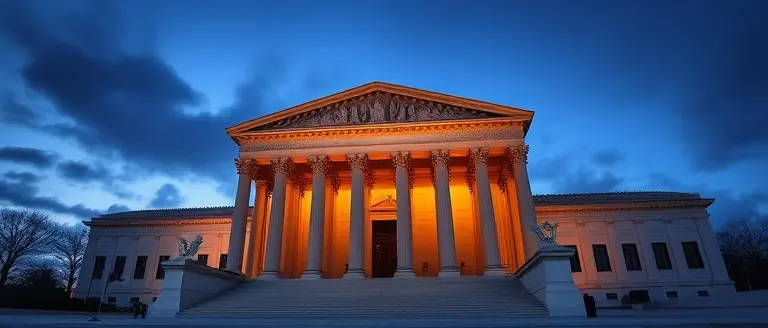
At the heart of the latest Supreme Court news is a complex procedural hurdle that effectively shields government employees from personal liability, even when their actions infringe upon constitutional rights. In the case involving Damon Landor, a Rastafarian man whose dreadlocks were forcibly removed, the Court did not necessarily rule that his rights were unimportant. Instead, it focused on the narrow legal mechanism of monetary damages. By barring this lawsuit, the Court has reinforced a significant barrier for incarcerated individuals who seek financial restitution for civil rights violations. This decision functions by limiting the available remedies under the Religious Land Use and Institutionalized Persons Act (RLUIPA), creating a scenario where a violation of faith may be acknowledged as unjust, yet remain legally uncompensated.
The Mechanism of Qualified Immunity and Procedural Barriers
For the general public, the distinction between a violation of rights and the right to sue for money can be confusing. The Court’s decision relies on doctrines that prioritize the protection of state officials from litigation over the ability of victims to recover damages. In practice, this means:
- Immunity Protection: Officials are often granted broad protections when performing their duties, making it exceptionally difficult to hold them personally accountable for constitutional infringements.
- The Remedial Gap: Even if a court agrees that an inmate’s religious practice—such as keeping dreadlocks—was protected, the current interpretation of federal law creates a “dead end” where no financial remedy is available for the emotional or spiritual harm suffered.
- Erosion of Recourse: By blocking monetary damages, the system removes a primary deterrent against the infringement of religious liberty, essentially rendering the rights of vulnerable populations more theoretical than enforceable.
This ruling highlights a deepening trend where the Supreme Court is increasingly skeptical of expanding avenues for litigation within the carceral system. As legal scholars observe, this shift prioritizes institutional order over individual bodily autonomy, leaving inmates with fewer tools to contest abuses of power. The outcome signals that while the law may provide abstract protections for religious expression, the practical reality of enforcing those protections against prison authorities is becoming increasingly constrained.
The Slippery Slope for Religious Liberty in the Carceral System
The June 23, 2026, ruling by the U.S. Supreme Court regarding the case of Damon Landor represents a significant shift in how federal courts balance institutional authority against the constitutionally protected rights of incarcerated individuals. By barring Landor from seeking monetary damages after prison officials forcibly removed his dreadlocks—a clear violation of his Rastafarian faith—the Court has effectively curtailed the reach of the Religious Land Use and Institutionalized Persons Act (RLUIPA). Legal analysts are concerned that this decision narrows the scope of federal protections, making it increasingly difficult for inmates to hold prison administrators accountable when religious expression is stifled or punished within the carceral system.
This supreme court news cycle highlights a troubling trend: the expansion of ‘qualified immunity’ to cover actions that infringe upon bodily autonomy and religious practice. Civil rights advocates warn that this precedent creates a “slippery slope,” where the lack of financial accountability incentivizes prison staff to disregard religious accommodation requests without fear of legal retribution. When there is no mechanism for damages, the promise of religious liberty behind bars becomes essentially hollow, offering rights in theory while stripping them away in practice.
The implications for marginalized communities are profound, as the ruling suggests that administrative convenience may now outweigh sincere religious tenets in the eyes of the law. Advocacy groups have raised the following concerns regarding the practical fallout of this decision:
- Erosion of Deterrence: Without the threat of civil litigation and monetary damages, prison officials have less incentive to proactively comply with RLUIPA guidelines.
- Normalization of Coercion: The ruling risks validating the forced grooming of individuals of minority faiths, signaling that religious identity can be subordinated to arbitrary security policies.
- Limited Judicial Recourse: Inmates face an uphill battle in proving that their constitutional rights were violated when the courts prioritize state deference over individual religious freedom.
Ultimately, this ruling signals a retreat from the robust protections typically associated with the First Amendment in the context of institutional confinement. As the legal landscape shifts, the vulnerability of those in custody remains a central, unresolved tension in American jurisprudence.
Faith Behind Bars: The Fragility of Constitutional Protections

For incarcerated individuals, religious expression is often the final tether to their identity and humanity. Practices such as maintaining specific hair lengths—central to the Rastafarian faith—or adhering to strict dietary laws are not merely aesthetic or lifestyle choices; they are fundamental exercises of conscience. The recent Supreme Court news regarding the case of Damon Landor highlights a deepening crisis in how the American legal system balances institutional security against the preservation of religious identity. By preventing inmates from seeking monetary damages when these rights are violated, the Court has arguably signaled that administrative convenience may now carry more weight than established religious liberty protections.
The Erosion of Religious Autonomy
The legal landscape surrounding the Religious Land Use and Institutionalized Persons Act (RLUIPA) is becoming increasingly hostile. While this federal law was designed to provide a shield for inmates, the current judicial trend effectively turns that shield into a decorative piece rather than a functional defense. When guards forcibly remove dreadlocks—a sacred symbol of faith—the injury inflicted is more than physical; it is a profound violation of the self. The practical implications of this ruling suggest a concerning shift:
- Diminished Accountability: By reinforcing “qualified immunity,” the Court makes it difficult to hold officials accountable for constitutional overreach.
- Weakened Deterrence: Without the threat of monetary damages, the incentive for prison administrations to respect existing religious mandates is significantly reduced.
- The Slippery Slope: This decision invites further encroachment on other religious expressions, potentially impacting kosher or halal diets, prayer schedules, and the possession of religious texts.
Ultimately, the tension between institutional control and human dignity reflects a broader struggle regarding the rights of the marginalized. If the sanctity of one’s body and faith can be overridden by arbitrary policy, the concept of “religious freedom” becomes fragile for those behind bars. This Supreme Court news serves as a sobering reminder that for the most vulnerable populations, constitutional protections are only as strong as the judicial willingness to enforce them. As we move forward, the question remains: at what point does the pursuit of order fundamentally negate the preservation of the human spirit?
Maintaining Mental Clarity in the Face of Systemic Injustice
The Supreme Court’s latest ruling acts as a sobering reminder that the path toward genuine religious liberty is becoming increasingly obstructed. By shielding officials from accountability, this decision threatens to turn the tide against decades of progress, leaving inmates and their advocates to navigate an even more restrictive landscape. As we process the weight of these systemic legal erosions, it becomes essential to preserve our own cognitive health and focus to continue the vital advocacy work that protecting religious freedom demands.
It is easy to succumb to the mental fatigue and brain fog that accompany consuming such disheartening news. The constant barrage of complex, high-stress discourse can paralyze your ability to remain engaged and effective. This is where The Brain Song becomes an essential tool for your advocacy. By utilizing advanced neuro-acoustic technology, it helps clear the cognitive debris left behind by distressing headlines, allowing you to regain the sharp, focused mindset necessary for social justice work.
You don’t have to choose between staying informed and protecting your mental well-being. The Brain Song offers a non-invasive way to sharpen your perspective, ensuring you stay resilient as you fight for change. Reclaim your clarity today and prepare yourself for the long-term work of building a more just society.
 Reclaim your mental clarity and focus while you advocate for change—discover how 12 minutes a day can sharpen your perspective.Protect My Focus and Clarity Now!