
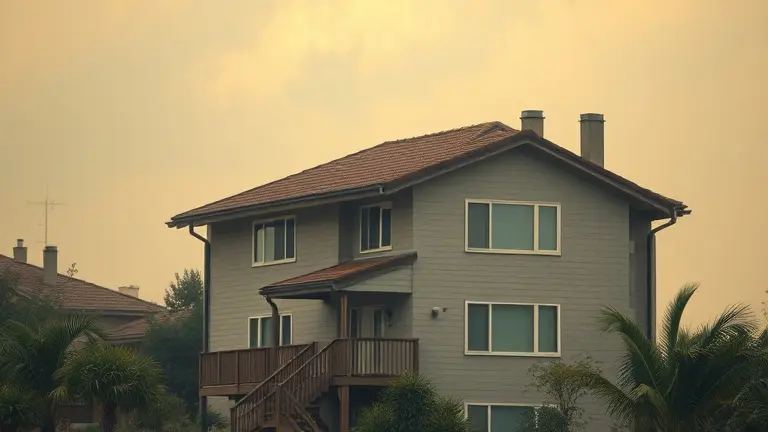
As temperatures climb toward historic thresholds this June 2026, the global conversation has shifted from the mere novelty of hot weather to the stark, urgent reality of excessive heat. Fueled by a persistent ‘Super El Niño’ climate pattern and stalled high-pressure heat domes, we are no longer dealing with seasonal discomfort but with a systemic failure of current infrastructure to protect public health. The repetitive cycle of news alerts and red warnings is exhausting, yet the underlying physics of our current climate crisis demand more than reactive measures; they necessitate a fundamental pivot toward resilient adaptation.
The standard reliance on overburdened HVAC systems is proving inadequate as grids buckle and temperatures continue to defy records. Homeowners now face a critical choice: wait for increasingly uncertain public solutions or take proactive control of their environment. Moving beyond the headlines, we must address the tangible gap in how we build, shade, and ventilate our living spaces to survive the increasingly frequent peak-heat events of this decade.
Understanding the 2026 Heat Dome: The Science Behind the Record-Breaking Temperatures

The current excessive heat crisis is driven by a meteorological phenomenon known as a heat dome—a persistent ridge of high-pressure air that settles over a region and acts as a physical barrier. This atmospheric trap prevents the upward movement of hot air, effectively compressing it toward the ground. As the high-pressure system forces air downward, the air heats up through adiabatic compression, creating a cycle where the ground traps heat and radiates it back into the atmosphere. Because these systems remain stationary, they prevent cooler air masses from moving in, leading to the sustained, dangerous temperature spikes observed across North America and Western Europe throughout June 2026.
The Amplifying Role of the 2026 Super El Niño
Meteorologists have identified the 2026 Super El Niño as a primary catalyst for the extreme intensity of these heat domes. El Niño events are characterized by anomalous warming of the central and eastern Pacific Ocean, which significantly disrupts global atmospheric circulation patterns. When a super-charged phase of this cycle coincides with regional high-pressure ridges, the result is a compounded heat stress event that far exceeds historical norms.
- Atmospheric Blocking: The current pattern has created long-lasting “blocked” weather conditions that prevent normal storm tracks from tempering rising temperatures.
- Record-Breaking Metrics: Data indicates that the intensity of this heatwave has surpassed the infamous 1976 benchmarks, with cities regularly hitting or exceeding 40°C (104°F).
- Energy Feedback: As temperatures rise, the reliance on high-load cooling systems creates a feedback loop, putting severe strain on energy grids already struggling with climate-induced volatility.
Unlike previous decades, the synergy between a Super El Niño and localized heat domes suggests a shift toward more frequent, intense weather anomalies. The convergence of these factors demonstrates why modern infrastructure—designed for the more stable climate patterns of the 20th century—is currently failing to mitigate the impacts of such extreme heat. Understanding this interplay is essential for shifting the narrative from reactive emergency response to proactive, long-term climate resilience.
Visualizing Change: 1976 vs. 2026 Climate Metrics

To understand the current crisis of excessive heat, we must look beyond daily headlines and analyze the half-century trajectory of global climate anomalies. In 1976, extreme heat events were largely considered statistical outliers—rare, localized phenomena that challenged existing infrastructure but remained within the bounds of historical variability. Today, the 2026 climate landscape is fundamentally different. Driven by the Super El Niño 2026 pattern, we are witnessing a systematic acceleration where “once-in-a-generation” events are becoming seasonal realities. Data-driven comparisons reveal that the baseline global temperature has climbed significantly, narrowing the threshold between standard summer weather and hazardous heat-dome conditions.
The Shift from Anomaly to Baseline
The acceleration of heat stress is not merely a matter of degree, but of duration and frequency. Unlike the 1976 heatwaves, which were often characterized by shorter durations and lower humidity levels, modern heatwaves are bolstered by high-pressure “heat domes” that trap radiant heat for weeks. The impact of these systems is compounded by the 2026 climate pattern, which amplifies regional weather anomalies globally. Key differences in this 50-year progression include:
- Frequency of Red Weather Warnings: Authorities now issue high-level alerts with unprecedented regularity, reflecting a permanent shift in risk management protocols.
- Nighttime Recovery Loss: In 1976, temperatures typically dropped significantly overnight, allowing structures and human bodies to cool. In 2026, minimum nighttime temperatures have reached record highs, preventing essential thermal recovery.
- Geographic Expansion: What were previously localized events now span entire continents simultaneously, putting unprecedented strain on energy grids and public health systems.
- Infrastructure Stress: The modern built environment—designed for the climate of the late 20th century—is failing to manage these sustained, record-breaking temperatures, highlighting an urgent need for retrofitting and adaptive design.
By contrasting these eras, it becomes clear that we have moved past the era of predictable weather patterns. The current reliance on reactive measures is insufficient; understanding these long-term metrics is the first step toward building the climate-resilient cities necessary for a hotter future.
Clinical Prevention: Protecting Health During Prolonged Heat Stress

As excessive heat events become more frequent due to the 2026 Super El Niño, understanding the physiological tipping points of the human body is essential. Heat-related illness exists on a spectrum, progressing from heat exhaustion to the life-threatening condition of heat stroke. Recognizing early symptoms—such as heavy sweating, rapid pulse, dizziness, or nausea—is critical. If an individual stops sweating while their body temperature spikes above 103°F (39.4°C), it indicates heat stroke, a medical emergency requiring immediate professional intervention.
Managing Vulnerable Populations and Passive Cooling
Vulnerable groups, including the elderly, young children, and those with chronic cardiovascular conditions, are at the highest risk during heat-dome events. Their thermoregulation mechanisms are often less efficient, making proactive, rather than reactive, cooling strategies mandatory.
To mitigate risks when indoor temperatures rise or HVAC systems fail, implement these clinical-grade prevention strategies:
- Hydration Protocols: Do not wait for thirst. Consume electrolyte-balanced fluids consistently. Avoid alcohol and caffeine, which can accelerate dehydration.
- Passive Home Cooling: Utilize “cross-ventilation” only when the outside air temperature is lower than the interior temperature. During peak daytime hours, keep windows closed and blackout curtains drawn to prevent solar gain.
- Evaporative Cooling Techniques: If AC is unavailable, use damp towels or cool compresses on pulse points (wrists, neck, and temples). A tepid—not ice-cold—shower can help lower core body temperature safely without triggering a shivering response, which paradoxically generates body heat.
- Structured Monitoring: For elderly neighbors, implement a “buddy system.” Checking in at least twice daily is vital, as heat stress can cause confusion and cognitive impairment, preventing the individual from recognizing their own need for help.
By focusing on these evidence-based cooling hacks and maintaining vigilance regarding early warning signs, you can significantly reduce the impact of intensifying heat stress on yourself and your community.
Grid Resilience: Managing Energy Consumption in a High-Demand Environment

The current excessive heat gripping North America is placing unprecedented strain on regional power grids. As temperatures soar due to the 2026 Super El Niño and persistent heat domes, the demand for air conditioning often exceeds the operational capacity of electrical infrastructure. When the grid reaches critical thresholds, utility providers are forced to implement rolling outages or voluntary conservation alerts to prevent widespread system failure. Understanding how to manage home energy consumption during these peak periods is no longer just a matter of cost; it is a vital component of community safety and infrastructure stability.
Strategic Load Management and Passive Cooling
To mitigate grid strain, homeowners should move toward a “load-shifting” mindset. Rather than relying entirely on HVAC systems, prioritize cooling strategies that utilize the thermal mass of your home.
- Pre-Cooling Techniques: Lower your thermostat 3–5 degrees during off-peak morning hours (before 10:00 AM) to chill your home’s structural components. During peak afternoon heat, set the thermostat to a slightly higher temperature (78°F or above) to prevent the compressor from cycling constantly.
- Smart Thermostat Optimization: Ensure your smart device is set to “grid-responsive” mode if supported by your local utility. These programs allow energy providers to make minor, automated adjustments to help balance the grid without significantly impacting indoor comfort.
- Appliance Management: Defer high-energy tasks—such as running dishwashers, dryers, or electric ovens—until after 9:00 PM. Heat-generating appliances can raise internal temperatures, forcing your air conditioning unit to work harder against the external heat stress.
Preparedness for potential outages is essential. During extreme climate events, maintain a kit including portable power banks, battery-operated fans, and stored water. By reducing your electrical draw during peak demand hours, you contribute directly to the resilience of the grid, helping to protect vulnerable infrastructure from the cascading failures often associated with record-breaking heatwaves.
Long-Term Outlook: Preparing for a Season of Drought and Wildfire Risk

The current excessive heat event, fueled by the 2026 Super El Niño, is not merely a transient weather spike; it serves as a harbinger for a high-risk summer. As atmospheric heat domes become more persistent, the rapid evaporation of soil moisture is accelerating, leading to early-season drought conditions across vast swaths of North America. This environmental shift creates a feedback loop: as the ground loses its moisture content, it absorbs more solar radiation, further heating the ambient air and exacerbating the heat stress experienced by both rural and urban ecosystems.
Assessing the Wildfire Threat
The combination of record-breaking temperatures and dried-out vegetation has significantly lowered the ignition threshold for wildfires. With forestry and grassland fuels reaching historically low moisture levels, even minor sparks can trigger large-scale blazes that are increasingly difficult for fire services to contain. Key indicators for homeowners and land managers include:
- Fuel Moisture Deficits: Prolonged heat strips moisture from brush and timber, turning forests into highly combustible tinderboxes.
- Grid Instability: Extreme demand for cooling puts stress on electrical infrastructure, which can inadvertently act as an ignition source during high-wind events.
- Agricultural Strain: Crop yields face immediate pressure from heat-induced wilting and long-term water allocation cuts as regional reservoirs respond to prolonged dry spells.
Water Security and Adaptation
Water security will remain the primary focus for policymakers as we head deeper into the summer season. Beyond immediate relief, the focus must shift toward resilient landscape management, including the integration of drought-resistant vegetation and the implementation of localized water-use mandates. As we navigate the complexities of this intensifying heat stress, the evidence suggests that the 2026 climate pattern necessitates a permanent shift in how we approach summer planning—moving away from reactive emergency response and toward a model of long-term climate adaptation and infrastructure hardening.
Building Your Personal Fortress Against the Heat
Mitigating the impact of extreme temperatures doesn’t always require a massive investment in professional contractors or high-tech climate-control systems. Often, the most effective defense against the penetration of radiant heat lies in strategic, passive structural modifications. By optimizing your home’s ability to block solar gain and encourage natural airflow, you transform your living environment from a heat trap into a sanctuary, ensuring that even when the grid reaches its breaking point, your home maintains a manageable climate.
While professional retrofitting projects can be prohibitively expensive, many of the most effective passive cooling structures—from precision-built window shades to ventilated garden awnings—can be constructed by hand. However, the difference between a structure that merely looks good and one that provides real heat-shielding performance is the quality of your engineering plan. Attempting these builds without proven guidance introduces trial-and-error risks that you simply cannot afford during a heatwave.
This is where your resilience toolkit becomes essential. By utilizing professional, workshop-tested blueprints, you eliminate the guesswork, ensuring your home improvements are structurally sound and highly effective. You aren’t just building furniture; you are engineering your family’s safety against a changing climate, using precise plans that guarantee your hard work translates into tangible, life-saving thermal protection.
 Access the comprehensive library of 16,000 professional blueprints and start building your home’s heat-resilient defenses today.Yes, I Want to Build My Resilience Now!