

The electric atmosphere at MetLife Stadium today served as a visceral reminder of what makes the FIFA World Cup the pinnacle of global sports. As Norway made their historic return to the tournament stage, the eyes of the world were locked on Erling Haaland, whose presence against Senegal’s determined Lions of Teranga transformed a routine Group I match into a tactical masterclass. This fixture was never just about a scoreline; it was a high-stakes collision between the tactical precision of a rising European power and the relentless, passionate defensive grit that has become the hallmark of Senegalese football.
For fans, the ninety minutes—and the critical post-match analysis that follows—represent a test of endurance in its own right. With qualification spots on the line, every pass, heatmap fluctuation, and defensive realignment demands absolute attention. In a match where the margin for error is razor-thin, those following the tactical narrative understand that missing a single detail could mean losing the story of the game. Today’s encounter provided that rare opportunity to witness elite-level problem solving in real-time, setting the stage for a dramatic scramble to the knockout rounds.
Match Overview: Norway vs. Senegal at MetLife Stadium
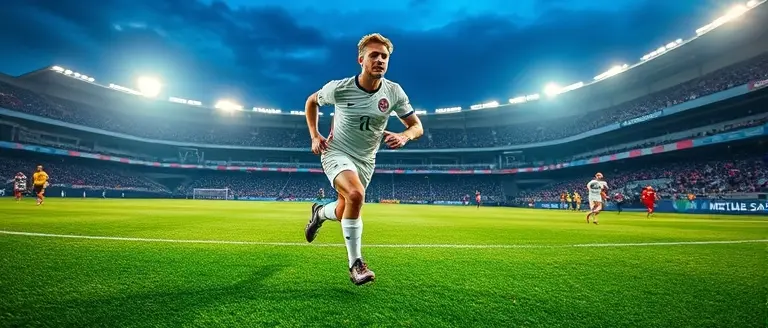
The June 22, 2026, noruega – senegal clash at MetLife Stadium in East Rutherford served as a defining moment in the FIFA World Cup Group I stage. For Norway, this fixture represented more than just a match; it solidified their return to the world stage after an agonizing 28-year absence. The atmosphere inside the stadium was electric, characterized by a stark contrast between the disciplined, rhythmic chants of the “Viking” faithful and the vibrant, high-energy presence of Senegal’s “Lions of Teranga” supporters. With global superstar Erling Haaland leading the Norwegian attack, the pressure was immense, as his ability to penetrate the defensive lines was seen as the primary catalyst for Norway’s potential path to the knockout rounds.
For Senegal, this noruega vs senegal match carried the weight of survival. Following a challenging opening defeat to France, the Lions of Teranga entered the pitch under significant scrutiny, knowing that anything less than a points-haul would jeopardize their tournament trajectory. The tactical battle focused heavily on how the Senegalese backline could neutralize Haaland’s physical dominance while simultaneously utilizing their rapid wingers to exploit the gaps left by Norway’s offensive push.
Key Tactical Context and Stakes
- Historical Weight: Norway’s first World Cup appearance since 1998 brought unprecedented focus to their tactical discipline and reliance on counter-attacking football.
- Group I Dynamics: Senegal entered the match in a “must-win” scenario, requiring a resilient defensive shift after failing to secure points in their previous group engagement.
- Venue Impact: The large capacity of MetLife Stadium amplified the crowd noise, creating a high-pressure environment that tested the composure of both squads throughout the full 90 minutes.
As the match unfolded, the intensity on the pitch served as a crucial turning point for the group standings. Analysts noted that the encounter effectively transformed the group dynamic, forcing both managers to make mid-game adjustments that highlighted the technical evolution of both national programs. This high-stakes fixture remains a pivotal chapter in the 2026 tournament narrative, illustrating the fine margins between early elimination and a coveted spot in the Round of 32.
Tactical Breakdown: Haaland’s Impact and Senegal’s Defensive Response
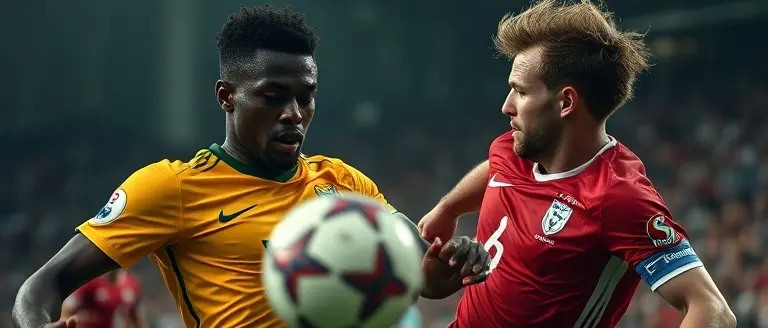
The clash between noruega and senegal at MetLife Stadium presented a fascinating study in contrast between high-octane offensive pressing and disciplined low-block structure. Throughout the 90 minutes, Norway’s tactical setup revolved entirely around facilitating Erling Haaland, who operated as a focal point to stretch the Senegalese backline. By positioning Haaland on the shoulder of the last defender, Norway forced the “Lions of Teranga” to play with a compressed defensive line, creating pockets of space in the midfield for Norwegian playmakers to exploit. Senegal’s coaching staff responded by deploying a dedicated man-marking system, often utilizing a double pivot to shield the central defensive pair and negate the service to Norway’s talisman.
Defensive Adaptations and Counter-Attacking Effectiveness
Senegal’s defensive response was characterized by high physical intensity, designed to disrupt the rhythm of Norway’s transition play. Key tactical observations from the match include:
- The Shadow-Marking Strategy: Senegal utilized a rotating defensive rotation to ensure Haaland was never left in a one-on-one situation, effectively doubling up whenever the ball entered the final third.
- Transition Exploitation: Senegal focused their efforts on quick vertical transitions, targeting the space vacated by Norway’s overlapping fullbacks. This counter-attacking strategy provided the necessary pressure to prevent Norway from committing too many bodies forward.
- Managerial Adjustments: As the second half progressed, both managers shifted their formations. Norway introduced fresher legs to widen the pitch, while Senegal transitioned into a 5-4-1 defensive shell to solidify the draw or catch Norway on a late break.
Ultimately, the effectiveness of the noruega vs senegal tactical battle hinged on which team could better manage the exhaustion of their defensive units. While Haaland remained a constant threat, Senegal’s disciplined structural integrity proved vital in mitigating damage. This game highlights the ongoing evolution of defensive soccer in the 2026 World Cup, where elite athleticism is increasingly balanced by sophisticated, reactive positional play.
Post-Match Statistical Analysis: Possession and Heatmaps
The Group I clash between noruega – senegal provided a fascinating case study in tactical contrasting styles at MetLife Stadium. While Norway commanded the majority of ball possession—averaging roughly 58% throughout the regulation 90 minutes—the effectiveness of that control was challenged by Senegal’s disciplined, counter-attacking block. Statistical breakdown reveals that while Norway utilized lateral passing lanes to move the defensive line, their efficiency in the final third was often stifled by Senegal’s compact mid-block.
Tactical Mapping and Key Performance Indicators
The heatmaps for this noruega vs senegal matchup illustrate a clear bifurcation of territory. Erling Haaland’s heatmap showed significant concentration within the central channel just outside the 18-yard box, highlighting his role as a gravity well for the Senegalese defenders. However, Senegal’s defensive transition map confirms they succeeded in funneling the play wide, forcing Norway into low-percentage crosses rather than high-probability central through-balls.
Key performance metrics from the match include:
- Pass Completion Rates: Norway maintained an 84% pass accuracy, largely supported by their central midfielders, whereas Senegal optimized for direct, vertical progression, leading to a lower 72% accuracy but a significantly higher volume of “long balls” into open space.
- Zone Dominance: The “Decisive Zone”—the area between the opposition midfield and defensive lines—was fiercely contested. Norway controlled 62% of the play here, but Senegal’s defensive recovery speed meant that the Lions of Teranga regained possession in this zone 14 times, sparking rapid transitions.
- Efficiency of Attack: Despite having more possession, Norway’s Expected Goals (xG) metrics suggest their chances were largely limited to contested aerial duels. Conversely, Senegal’s tactical commitment to rapid transitions maximized their opportunities during high-turnover scenarios, proving that possession parity does not always correlate with match control.
These findings suggest that while Norway’s tactical identity relies on sustained pressure, Senegal’s ability to exploit space behind the advancing fullbacks remained the defining feature of this fixture, ultimately determining the flow of the match and the resulting pressure on the Group I standings.
The Road Ahead: Qualification Scenarios for Group I
Following the intensity of the noruega – senegal fixture at MetLife Stadium, the landscape of Group I has shifted significantly, leaving both nations at a critical juncture in the 2026 FIFA World Cup. For Norway, the match outcome dictates their trajectory as they aim to capitalize on their long-awaited return to the global stage. If Norway successfully secured points in this encounter, they are now positioned to control their own destiny. To guarantee a spot in the knockout stages, the Norwegian squad, led by the tactical prowess of Erling Haaland, must focus on maintaining defensive stability during their final group stage match. The challenge lies in translating their transition play into consistent goal-scoring opportunities against their final opponent, ensuring they avoid the common pitfall of over-reliance on a single superstar.
Senegal, meanwhile, finds themselves in a more precarious situation. Having faced heavy pressure following their opening loss to France, the Lions of Teranga must now execute a flawless final performance to stay alive. The technical staff must address the tactical gaps exploited during the noruega vs senegal clash, particularly in the midfield transition where they struggled to contain Norway’s direct style of play.
Strategic Outlook and Qualification Path
To progress, teams must focus on the following priorities:
- Norway’s Mandate: With points already on the board, Norway’s primary goal is to avoid a loss. A draw in their final match may suffice, but securing a win would guarantee a higher seeding in the Round of 32.
- Senegal’s Recovery: The Lions must prioritize a multi-goal victory to bolster their goal differential, which could prove decisive if they finish level on points with other group contenders.
- Tactical Adjustments: Both sides need to refine their defensive shape. Senegal must tighten their high press to avoid being countered, while Norway must ensure their wing-backs track back to support a defense that has shown susceptibility to quick, technical attacks.
The pressure is mounting as the group stage concludes. Fans should monitor real-time updates regarding goal differential and disciplinary records, as these tie-breakers could ultimately determine who advances and who heads home.
Mastering the Final Whistle: Sustaining Your Tactical Edge
As the dust settles on this intense Group I clash at MetLife Stadium, it is clear that precision and endurance remain the ultimate deciders in modern soccer. Whether you are dissecting Erling Haaland’s movement off the ball or analyzing the tactical defensive shifts of the Lions of Teranga, the difference between a casual viewer and a true analyst lies in the ability to maintain sharp, unwavering focus until the final whistle—and well beyond, into the post-match statistical breakdown.
Just as Norway’s squad relies on consistent energy and physical output to break down a resilient defense in the closing minutes of a high-stakes match, keeping your own cognitive focus sharp through hours of deep tactical analysis requires optimal metabolic support. Do not let mid-match brain fog or late-night energy crashes compromise your ability to process the defining moments of this tournament. By stabilizing your energy, you ensure you never miss the tactical nuances that define the trajectory of the FIFA World Cup.
You deserve to experience this tournament with the same elite stamina as the pros on the pitch. Elevate your engagement and ensure your mental clarity remains at its peak while you digest every layer of this critical result.  Power through the late-night results and tactical breakdowns with the same energy as the pros—click here to optimize your focus with Sugar Defender. Yes, I Want Peak Performance Now!