

The atmosphere at Lincoln Financial Field during the France v Iraq World Cup match was electric, until the skies over Philadelphia turned ominous. What began as a high-stakes Group I battle quickly shifted into a test of nerves and logistics as severe thunderstorms forced an immediate suspension of play. For the thousands of fans in attendance, the excitement of global football was momentarily replaced by the urgent need for safety updates, shelter protocols, and uncertainty regarding the game’s resumption.
As fans huddled in confined stadium areas, the reality of attending a major international tournament in extreme weather became painfully clear. Beyond the frustrations of a delayed France game, the situation highlighted a critical information gap: how to stay protected and healthy while navigating the unpredictable nature of large-scale, high-density event spaces. Whether you are currently tracking the latest score from Philadelphia or planning your next stadium visit, understanding how to maintain your personal wellness in the face of sudden logistical shifts is now an essential part of the modern fan experience.
France vs. Iraq: Why the Philadelphia Match Was Suspended
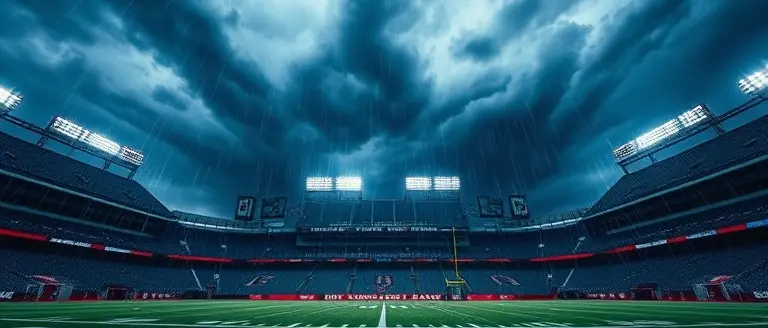
The June 22, 2026, France vs. Iraq match at Lincoln Financial Field became a defining moment of the tournament when severe Philadelphia weather forced an abrupt suspension of play. As the first half concluded, the official match score stood at a tense 1-1, but the focus quickly shifted from the field to the skies. Monitoring systems detected severe thunderstorms moving rapidly into the Philadelphia area, prompting tournament officials to invoke emergency safety protocols. With lightning strikes detected in the immediate vicinity of the stadium, organizers made the decision to suspend the match at halftime, prioritizing the welfare of both the players and the thousands of fans in attendance.
Impact on Fan Safety and Stadium Protocols
The suspension triggered a coordinated response from stadium management to clear the bowl and direct spectators to secure areas. Because the 2026 FIFA World Cup places a premium on safety, the evacuation was executed efficiently, though it left many fans seeking real-time updates regarding the status of the match. Key logistical points during the delay included:
- Immediate Shelter: Fans were instructed to remain in the interior concourses of Lincoln Financial Field until the threat of lightning passed.
- Safety Thresholds: Standard tournament protocols mandate a minimum 30-minute delay after the last recorded lightning strike within a specific radius of the venue.
- Transit Coordination: Local officials worked to communicate transit delays for those leaving the area, as the thunderstorm caused significant disruptions to regional transportation.
While the France Iraq World Cup contest was characterized by high intensity on the pitch, the weather-related interruption underscored the unique challenges of hosting global soccer events in unpredictable urban climates. As the storm persisted, global audiences turned to live tracking services to determine if the game would resume under the lights or be pushed to the following day, highlighting the growing need for robust, real-time communication tools during major sporting events.
Real-Time Updates: Navigating Weather Delays at FIFA 2026
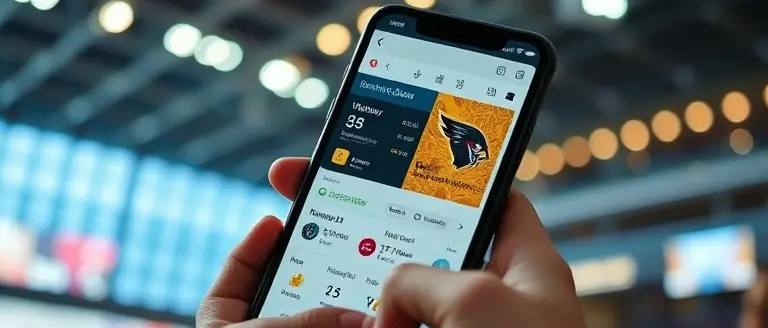
The mid-game suspension of the France v Iraq match at Lincoln Financial Field underscored the critical need for robust, real-time communication protocols during the 2026 FIFA World Cup. When severe Philadelphia weather forced officials to halt play, fans both inside the stadium and watching remotely required immediate, verified updates. The incident proved that in an era of hyper-connected sports consumption, official digital channels must provide more than just scoreboard data; they must integrate live safety information, transit adjustments, and stadium-specific weather protocols to ensure fan security.
Best Practices for Monitoring Tournament Disruptions
For spectators navigating unexpected delays, staying informed through verified sources is paramount. Fans should prioritize the following strategies during high-stakes matches:
- Official FIFA Match Centers: Utilize the official FIFA app for push notifications regarding match status, which often include administrative decisions before they hit social media.
- Localized Weather Alerts: Monitor the National Weather Service or local Philadelphia news outlets for real-time tracking of thunderstorms, as these dictate the length of safety-related delays.
- Stadium Communication Channels: Follow the venue’s official social media accounts and PA system updates, which provide essential instructions regarding concourse sheltering and evacuation protocols.
- Transit and Logistical Planning: In the event of a long suspension, check real-time transit status updates to adjust departure plans if the france game experiences an extended postponement.
The transition toward a ‘Live-Update’ format—which bifurcates match statistics with urgent safety briefings—is becoming a necessity for global sporting events. This dual-track reporting ensures that while supporters stay connected to the France Iraq World Cup narrative, they are also equipped with actionable intelligence to handle the unpredictable nature of extreme weather conditions in a busy metropolitan hub like Philadelphia. By maintaining constant connectivity to reliable updates, fans can focus on safety while keeping pace with the match’s evolving timeline.
The Impact of Extreme Weather on World Cup Scheduling
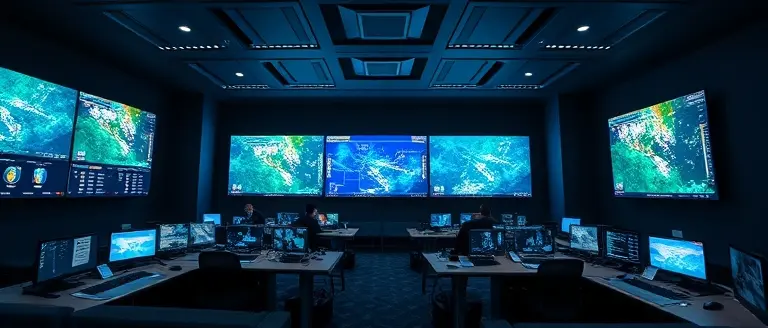
The suspension of the France v Iraq match at Lincoln Financial Field serves as a critical case study regarding the intersection of climate volatility and global sports logistics. As the 2026 FIFA World Cup continues, this incident highlights the increasing necessity for adaptive scheduling in regions prone to severe convective storms. The sudden interruption caused by hazardous Philadelphia weather forced organizers to prioritize spectator and athlete safety, setting a new precedent for how governing bodies manage “weather windows” in high-stakes tournament environments. Evidence suggests that as climate patterns shift, FIFA and local host committees must move beyond traditional contingency plans to integrate real-time meteorological monitoring directly into match operations.
Refining Contingency and Safety Protocols
To ensure the integrity of the tournament, organizers are now fast-tracking sophisticated safety protocols designed to mitigate the risks of extreme weather events. The focus is shifting toward “resilience-first” operations, where stadium infrastructure and public communication strategies are tested against rapid atmospheric changes. Key areas of focus for the remainder of the 2026 tournament include:
- Dynamic Weather Monitoring: Implementation of localized sensor networks to provide micro-climate alerts, ensuring that the France game and other high-profile fixtures have granular data to trigger pre-emptive delays.
- Enhanced Fan Safety Infrastructure: Streamlining the evacuation and sheltering processes at venues like those in Philadelphia, ensuring that thousands of attendees can reach secure zones within minutes of a lightning strike alert.
- Broadcasting and Logistics Coordination: Standardizing communication flows between officials, media partners, and local transit authorities to prevent the logistical chaos that often accompanies a mid-match postponement.
By treating the France Iraq World Cup delay as a blueprint for future preparedness, FIFA is demonstrating a necessary evolution in sports management. The ability to maintain broadcast integrity while guaranteeing human safety is no longer a secondary concern; it has become a central pillar of tournament success in an era of unpredictable environmental impacts. Moving forward, teams and fans alike must prepare for a more fluid tournament calendar where weather-driven scheduling shifts become an accepted aspect of elite international competition.
Fan Safety and Logistics: Lessons from Lincoln Financial Field
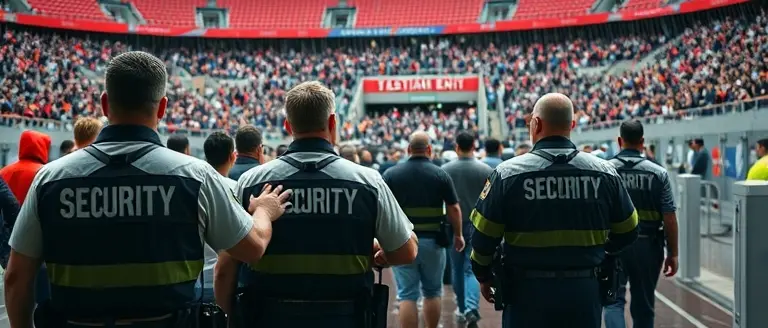
The suspension of the France v Iraq match due to severe Philadelphia weather served as a critical stress test for the 2026 FIFA World Cup. When extreme conditions forced thousands of fans to shelter in place at Lincoln Financial Field, the necessity for clear, real-time communication became undeniable. Attendees must prioritize staying informed through official venue apps and local emergency notification systems, as these platforms provide the most accurate updates on match status and safety protocols during weather-related delays.
Navigating Stadium Shelter-in-Place Protocols
Understanding stadium safety is essential for any high-profile international event. If a France game or any other major match is interrupted by dangerous conditions, fans should immediately follow the directives of stadium staff and security personnel. Key safety practices include:
- Follow Official Channels: Monitor the official stadium social media accounts and the FIFA app for real-time adjustments to the match schedule.
- Identify Shelter Areas: Upon entry, note the locations of concourse tunnels and designated safe zones that provide protection from severe thunderstorms.
- Remain Calm and Patient: Crowd control measures are implemented to ensure the safety of all spectators; during the France-Iraq delay, organized movement prevented bottlenecks and potential injuries.
- Monitor Local Transit: Weather events often disrupt public transportation. Always check real-time transit status updates to adjust your departure plans once the delay concludes or the match is officially postponed.
The logistical challenges encountered in Philadelphia demonstrate that weather preparedness is as important as the match itself. As the tournament continues, spectators should proactively review the specific severe weather policies of their assigned stadium. By maintaining situational awareness and keeping mobile devices charged, fans can effectively navigate the uncertainties of outdoor tournament play, ensuring that safety remains the top priority during intense competition.
Protect Your Health for Every Kickoff
The events at Lincoln Financial Field serve as a vital reminder that while we can prepare for the tactics on the field, the environment of major global sporting events is often unpredictable. Navigating severe weather delays and the resulting crowded, confined shelter spaces can take a toll on your immune system. Staying resilient during these logistical challenges is just as important as keeping track of the match stats.
While you are waiting out the storm and dealing with the logistical hurdles of a game delay, your body shouldn’t have to deal with the added stress of a crowded environment. This is why forward-thinking fans are turning to ProDentim as an essential part of their match-day kit. By proactively supporting your oral health and respiratory defenses, you ensure that your body is prepared for the unique pressures of stadium life, long after the final whistle blows.
Don’t just be a spectator of your own health; become a prepared fan who prioritizes wellness before heading to the match. Whether you are facing another unexpected delay or simply navigating the high-traffic crowds of the 2026 World Cup, give your body the support it needs to stay strong and resilient in any condition.
 Don’t let the next stadium delay catch you off guard—strengthen your defenses before you head to the match.Yes, I Want My ProDentim Now!