
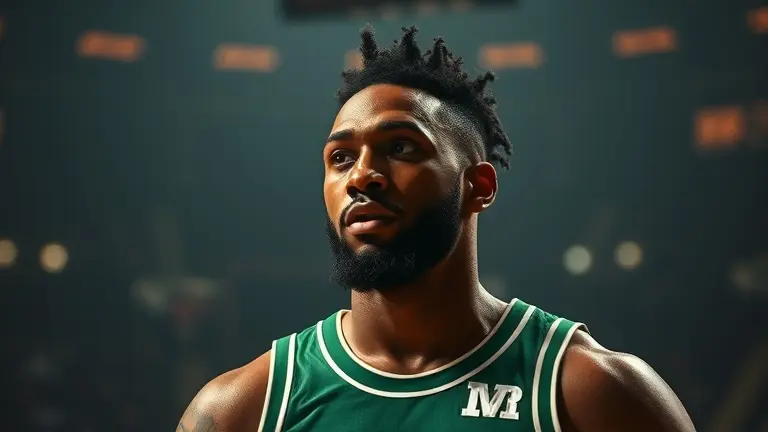
The NBA landscape is currently witnessing a historic period of turbulence as we approach the 2026 Draft. At the epicenter of this seismic shift is Milwaukee Bucks superstar Giannis Antetokounmpo, whose future has become the league’s most closely guarded and fiercely debated secret. With Milwaukee’s ownership publicly pushing for a resolution before the clock strikes on Tuesday’s draft, the atmosphere is nothing short of electric. The Boston Celtics are reportedly mounting an aggressive, all-in pursuit centered around Jaylen Brown, while the Miami Heat are orchestrating complex, multi-team scenarios to bring the ‘Greek Freak’ into their storied culture.
As media outlets trade sensation for speculation, the average fan is left navigating a labyrinth of conflicting reports, inflated salary cap rumors, and desperate team-specific propaganda. It is time to look past the chaos. This guide cuts through the noise, providing a cold, data-driven assessment of trade feasibility, legacy impact, and why this crossroads moment represents a defining shift for the entire NBA hierarchy.
The Milwaukee Ultimatum: Giannis Antetokounmpo’s Status Heading into the 2026 Draft

As the clock ticks toward the June 23, 2026, NBA Draft, the Milwaukee Bucks find themselves at an unprecedented franchise crossroads. Ownership has issued a self-imposed directive to clarify the future of Giannis Antetokounmpo before draft night, creating a pressurized environment that has rippled across the league. This urgency stems from a strategic need to either secure the superstar’s long-term commitment or pivot toward a massive rebuilding phase, effectively ending an era of championship contention. The atmosphere in Milwaukee is officially characterized as “chaotic,” as front-office executives weigh the risks of holding onto a disgruntled asset against the potential of a historic return package that could reset the team’s salary cap trajectory.
The Strategic Necessity of a Deadline
The decision to force a resolution by the draft serves as a calculated gamble. By setting this deadline, the Bucks are attempting to avoid a prolonged, mid-season distraction that could degrade the value of any potential Giannis trade. From an analytical standpoint, the stakes are immense:
- Asset Maximization: Engaging teams like the Boston Celtics or Miami Heat before the draft allows Milwaukee to potentially acquire high-value draft capital or young prospects that fit a new core timeline.
- Organizational Clarity: Resolving the uncertainty prevents locker-room volatility and allows the coaching staff to finalize their off-season development plans with or without their franchise cornerstone.
- Leverage Positioning: By demanding an answer now, the Bucks front office is signaling they are not passive participants; they are actively controlling the narrative to ensure that if a departure occurs, it provides the maximum possible return on investment.
While insiders like Chris Haynes suggest this high-stakes poker game could realistically stretch into July’s free agency, the current momentum indicates that the Bucks are determined to avoid such a timeline. Whether the franchise eventually lands on a blockbuster deal with the Heat or a complex transaction involving NBA trades with the Celtics, the decision made this week will fundamentally reshape the competitive balance of the Eastern Conference for years to come.
Celtics vs. Heat: A Comparative Analysis of Trade Packages

As the June 23 deadline looms, the potential Giannis Antetokounmpo trade has evolved into a high-stakes standoff between the Boston Celtics and the Miami Heat. Assessing the trade feasibility requires a cold look at salary cap constraints and asset liquidity. The Celtics represent the “all-in” path, where the inclusion of Jaylen Brown serves as the non-negotiable centerpiece. By pivoting to Brown, Boston offers the Bucks an immediate, high-level replacement who fits a similar competitive window. This package is structurally straightforward, allowing Milwaukee to remain a perennial contender while retooling their core around a proven All-Star who provides perimeter gravity and defensive versatility.
Conversely, the Miami Heat offer a more complex, albeit arguably less star-heavy, proposal. Because Miami lacks a single individual asset equivalent to a prime Brown, their path to an NBA trade necessitates a multi-team framework. This strategy relies on offloading depth and future-dated draft capital to third-party teams to generate the necessary cap relief and compensation for Milwaukee.
Strategic Breakdown of Assets
- Boston Celtics Offer: Built around Jaylen Brown, this package is defined by elite, immediate value. It minimizes the need for third-party involvement but forces Boston to gut its starting perimeter defense.
- Miami Heat Offer: A high-variance, multi-team construction. It maximizes volume and long-term draft flexibility but risks providing Milwaukee with a collection of “role player” assets rather than a singular franchise anchor.
Ultimately, the Milwaukee front office faces a tactical dilemma. Do they prioritize the immediate, high-floor stability offered by the Celtics’ package, or do they gamble on the broader, more complicated overhaul proposed by Miami? With the draft clock ticking, both teams are leveraging their internal cultures—Boston’s championship-proven system versus Miami’s rigid, grit-focused identity—to appeal to a superstar weighing his future at a major franchise crossroads.
Financial Realities: Salary Cap Constraints and Leverage

Navigating a Giannis Antetokounmpo trade requires a masterclass in the current Collective Bargaining Agreement (CBA). With the Milwaukee Bucks facing a self-imposed June 23 deadline, the financial friction between the Celtics and the Miami Heat centers on matching massive salary slots while avoiding the punitive second-apron restrictions that govern modern NBA trades. For the Celtics, acquiring a player of his caliber necessitates parting with high-value core pieces like Jaylen Brown to satisfy salary-matching requirements, which would fundamentally restructure their cap sheet and luxury tax burden for the next three seasons.
Assessing the Trade Packages
The “salary math” provides a distinct advantage to one side depending on how the front offices value long-term flexibility versus immediate championship contention.
- The Celtics’ Strategy: Because Boston is already operating near the second apron, any deal for Giannis must be nearly dollar-for-dollar. Relying on Jaylen Brown as the centerpiece creates a “win-now” window but eliminates their ability to round out the bench with veterans on minimum contracts.
- The Heat’s Strategy: Miami has spent the last year carefully managing their payroll to maintain maneuverability. Their path involves complex multi-team frameworks designed to offload mid-tier salaries, potentially keeping their depth intact while positioning themselves under the cap thresholds that prevent teams from using trade exceptions.
Ultimately, the Bucks hold the leverage in the short term, but the suitors carry the burden of financial compliance. If Milwaukee forces a move before the draft, they must be wary of “negative value” contracts returned in a desperate rush. While fans clamor for a blockbuster, the front offices are currently caught in a tense stalemate where the salary cap itself serves as the final arbiter. Whether through a direct swap or a sophisticated three-team deal, both Boston and Miami are calculating if the “Giannis effect” justifies the total abandonment of their current financial stability.
The Decision Matrix: Ranking the Probability of Trade Scenarios

As the June 23, 2026, deadline approaches, the Milwaukee Bucks find themselves at a historic crossroads. Analyzing the current landscape through a neutral lens, we can categorize the potential future of Giannis Antetokounmpo into three distinct probability tiers based on salary cap constraints, leverage, and team needs.
High Probability: A Strategic Departure to a Contender
Evidence suggests that a Giannis trade is the most likely outcome, given the mutual recognition that the current Milwaukee roster has hit its championship ceiling. The Boston Celtics and Miami Heat lead the field because they possess the requisite assets to satisfy a high-stakes return. The Celtics are signaling an “all-in” mentality, with reports highlighting Jaylen Brown as a potential centerpiece for a deal. Simultaneously, the Heat remain a potent threat, utilizing their culture-first approach to entice the superstar. A trade to a contender serves as the path of least resistance for both the Bucks—who can initiate a necessary rebuild—and Antetokounmpo, who seeks immediate title contention.
Medium Probability: The Last-Minute Compromise
While trade rumors are rampant, a “last-minute extension” remains a viable, albeit shrinking, possibility. Under this scenario, the Bucks’ front office might offer a restructured long-term contract coupled with immediate assurances of aggressive roster retooling. This outcome would likely involve a “handshake agreement” where management promises specific personnel changes in exchange for stability. However, as the 2026 NBA Draft nears, the window for this negotiation is rapidly closing, as team chemistry and cap planning take center stage.
Low Probability: The Status Quo
Staying in Milwaukee with no clear path to immediate improvement is the least likely scenario. Given the “chaotic” atmosphere surrounding the franchise, maintaining the status quo risks an awkward, unproductive season that benefits neither the organization nor the player. While Milwaukee ownership holds the leverage of the existing contract, the social sentiment on platforms like Reddit (r/nba) and the urgent tone from media insiders highlight that both parties are motivated to avoid a stagnant, bridge-burning conclusion to this partnership.
Mastering the Chaos: Your Strategic Edge
As we have examined the intricate salary cap constraints and the competing philosophies between Boston’s system and Miami’s culture, it is clear that a Giannis Antetokounmpo trade is more than just a transaction—it is a total realignment of championship odds. Whether it is Boston’s firepower or Miami’s tactical flexibility, the numbers reveal that this move is a high-stakes chess match where only those with absolute mental clarity can discern the true outcomes from the surrounding media static.
While we break down the complex salary structures and trade leverage to give you the objective truth, keeping a clear head is essential. Navigating this volume of conflicting sports data can easily lead to cognitive fatigue and the dreaded ‘brain fog.’ Many of our most dedicated readers have found that integrating a 12-minute daily auditory reset is the secret to staying sharp and focused. The Brain Song is your ultimate cognitive optimizer, providing the mental clarity needed to process dense, data-driven analysis without succumbing to the noise of the rumor mill.
By sharpening your focus, you don’t just consume sports news—you master it. Elevate your analytical capacity and ensure you are ahead of the curve as this trade saga unfolds. Reclaim your focus and process the trade details with total clarity—start your 12-minute daily cognitive routine here.
 Reclaim your focus and process the trade details with total clarity—start your 12-minute daily cognitive routine here.Transform My Focus Today!