
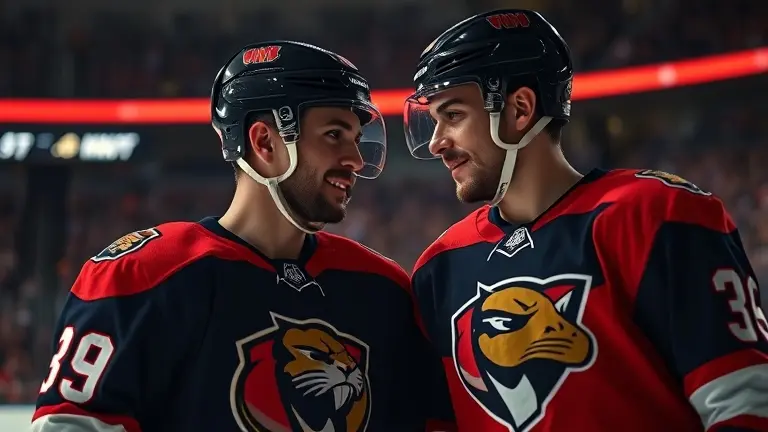
On Sunday, June 21, 2026, the hockey world shifted on its axis as the Ottawa Senators sent captain Brady Tkachuk to the Florida Panthers in a blockbuster trade that will be debated for years to come. By offloading their long-time face-of-the-franchise for a package headlined by the 9th and 25th overall 2026 picks, the Senators have officially triggered a radical retooling phase. Meanwhile, Florida’s GM Bill Zito has gone all-in, orchestrating a rare and high-stakes reunion by pairing Brady with his older brother, Matthew Tkachuk, in South Florida.
This move is more than just a heartwarming family story; it is a tactical gamble that forces the rest of the Atlantic Division to scramble. As analysts dissect the trade, the focus shifts to the immediate pressure: Can this chemistry translate into a 2027 Stanley Cup, or will the massive salary cap implications and the psychological fallout of Ottawa’s rebuild dismantle the very vision the Panthers are chasing? To truly grasp the complexity of these NHL trades, you need more than just stats—you need unparalleled cognitive edge.
The Trade Heard ‘Round the NHL: Breaking Down the Tkachuk Blockbuster
On Sunday, June 21, 2026, the landscape of the National Hockey League shifted irrevocably when the Ottawa Senators officially traded team captain Brady Tkachuk to the Florida Panthers. This transaction is arguably the most significant move in recent history, effectively ending the Ottawa tenure of one of the game’s most physical and charismatic leaders. By sending their face-of-the-franchise to South Florida, the Senators have signaled a definitive pivot into a massive retooling phase, aiming to recoup a bounty of assets to restructure their core. For the Panthers, the acquisition marks an aggressive “all-in” strategy orchestrated by General Manager Bill Zito, who is clearly prioritizing immediate championship contention over long-term asset accumulation.
The trade package sent to Ottawa is substantial, reflecting the high market value of a perennial leader like Brady Tkachuk. Key components of the deal include:
- 2026 9th Overall Pick: A high-value selection that allows Ottawa to immediately target top-tier prospect talent.
- 2026 25th Overall Pick: Additional first-round capital that deepens the Senators’ prospect pool for their upcoming rebuild.
- Future Considerations: A suite of additional assets intended to help the Senators navigate the next several seasons as they look to define a post-Tkachuk identity.
This blockbuster move is being closely compared to other high-profile NHL trades, though the emotional weight of reuniting Brady with his older brother, Matthew Tkachuk, makes this unique. While the Florida Panthers now boast a sibling dynamic that promises to terrorize Atlantic Division opponents, the move raises immediate questions regarding salary cap management and roster depth. Conversely, the Senators’ fanbase is currently grappling with the loss of yet another captain, sparking intense debate about the organization’s long-term culture. As the league processes this seismic shift, the focus now turns to whether this reunified powerhouse can turn their brotherly synergy into a legitimate 2027 Stanley Cup run, or if the cost of the trade will create a long-term deficit for the Panthers’ front office.
The Tkachuk Reunion: Tactical Synergies and Cup Aspirations
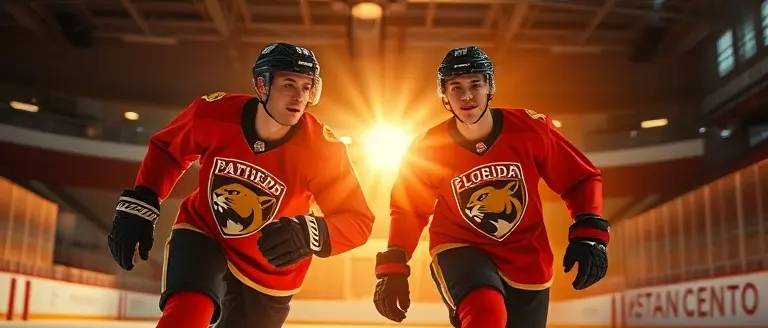
The arrival of Brady Tkachuk in South Florida transforms the Florida Panthers into a uniquely daunting physical force. By reuniting with his brother, Matthew Tkachuk, the Panthers have essentially doubled down on a high-intensity, “heavy” style of hockey that thrives in postseason environments. Tactically, head coach Paul Maurice now possesses two of the league’s most elite net-front disruptors. Their combined ability to exert pressure below the goal line and win board battles creates a gravity-well effect, pulling defenders out of position and creating high-danger scoring chances for teammates. This Florida Panthers Brady Tkachuk trade signifies a shift toward a system that prioritizes puck possession through sheer physical attrition.
Tactical Deployment and Playoff Efficiency
Integrating Brady into the Panthers’ existing structure requires careful balancing of line chemistry. While the brothers have natural intuition, their deployment will likely focus on:
- Net-Front Dominance: Both players excel at screening goaltenders and cleaning up rebounds, making them nearly impossible to clear from the crease simultaneously.
- Neutral Zone Turnover Generation: Their forechecking tenacity forces defensive errors, which fits perfectly into Maurice’s transition-heavy tactical approach.
- Secondary Scoring Balance: By splitting the brothers across the top two lines, Florida can force opponents to choose which “Tkachuk-led” wave they intend to defend, essentially neutralizing the depth of rival blue lines.
Evidence suggests that this move makes the Panthers a primary favorite for the 2027 Stanley Cup. Beyond the novelty, this reunion provides Florida with an unmatched psychological edge. Opposing teams facing the Panthers must now contend with two relentless pests who thrive on hostility and physical engagement. As NHL trades go, this is a clear “all-in” maneuver; however, the tactical synergy suggests that the brothers’ familiarity with one another’s movement patterns will lead to immediate dividends in tight, playoff-caliber games where space is at a premium and grit is the deciding factor.
Evaluating the Asset Price: A Historical Trade Valuation

The Florida Panthers‘ acquisition of Brady Tkachuk represents one of the most significant NHL trades in recent memory, necessitating a deep dive into the valuation metrics behind the blockbuster deal. By parting with the 9th and 25th overall picks in the 2026 draft, alongside additional future assets, GM Bill Zito has effectively shifted the market for elite power forwards. When comparing this package to historical precedents—such as the trades for Matthew Tkachuk or Jack Eichel—it is clear that the Panthers paid a premium for guaranteed impact and the immediate synergy of a sibling duo. While some analysts argue that two first-round selections constitute an “overpay,” the move must be contextualized within the hyper-competitive Atlantic Division, where marginal upgrades often dictate playoff success.
Assessing the Market Premium
To determine whether the Senators received fair market value or if desperation influenced the cost, we must categorize the assets involved:
- High-Draft Capital: The inclusion of two 2026 first-round picks provides Ottawa with a structural foundation for their retooling phase, but it deprives the Panthers of immediate cheap, entry-level contract depth.
- The “Brotherly Factor”: Market data suggests that the Florida Panthers brady tkachuk trade carries an intangible premium. The value of uniting the Tkachuk brothers goes beyond individual output, potentially stabilizing the team’s locker room culture and increasing long-term marketing viability.
- Cap Constraints: Unlike past trades involving expiring contracts, Brady Tkachuk brings long-term cost certainty, which arguably justifies the steeper price tag compared to a standard rental acquisition.
Ultimately, the brady tkachuk trade serves as an “all-in” indicator for Florida. The organization has prioritized high-end roster density over draft-pick preservation, a strategy that aligns with their current championship window. If the reunion leads to a deep postseason run, the asset cost will be viewed as a masterstroke; however, should the salary cap management become unsustainable due to having two elite contracts on one roster, critics will point to this specific transaction as a primary cautionary tale in modern asset management.
The Atlantic Division Arms Race: What’s Next for Rivals?
The seismic brady tkachuk trade has effectively shattered the existing balance of power within the Atlantic Division, forcing general managers across the Eastern Conference to pivot their offseason strategies. By reuniting Brady with matthew tkachuk, the Florida Panthers have signaled a hyper-aggressive window of contention, leaving perennial rivals in a precarious position. Teams that were previously comfortable with their roster construction now face an existential requirement to counter the sheer physicality and offensive depth that the Tkachuk brothers bring to South Florida.
Strategic Shifts in the Atlantic
The ripple effect of this move extends far beyond the immediate shock of the roster change. Atlantic Division contenders are now re-evaluating their own NHL trades and long-term asset management:
- Toronto Maple Leafs: With their championship window tightening, Toronto is expected to shift focus toward adding elite, defensive-minded blueliners who can handle the increased agitation and forechecking pressure that the Panthers will now deploy.
- Boston Bruins: Having relied on a culture of toughness, the Bruins may find themselves in a bidding war for secondary scoring to keep pace with the Panthers’ bolstered top-six rotation.
- Tampa Bay Lightning: The Lightning’s front office is likely scrutinizing their cap space to determine if they must offload salary to acquire a shutdown specialist capable of neutralizing the Tkachuk-led offensive barrage.
This move forces a fundamental change in the “arms race” mentality for the remainder of the off-season. As the Florida Panthers brady tkachuk trade dominates front-office discussions, the emphasis has shifted from mere depth-scoring to the acquisition of “identity players.” Rivals are no longer just looking to fill holes; they are looking to build rosters capable of surviving a seven-game series against a Florida team that now possesses the most formidable, aggressive duo in the league. Organizations are now bracing for an escalated trade deadline, as the price for talent is certain to rise in response to this blockbuster, setting a new, higher baseline for what constitutes a true Stanley Cup contender.
The Path to Championship Clarity
The Tkachuk reunion presents a fascinating case study in high-stakes roster management and team chemistry. While the potential for the brothers to terrorize the league on the same line is immense, the underlying data—from asset cost to salary cap strain—reveals that Florida is operating in a razor-thin margin for error. Navigating these complexities requires the same level of focus and mental sharpness that Bill Zito demands from his coaching staff to synchronize this new-look roster. Just as the Panthers need peak mental acuity to optimize their championship window, you require absolute clarity to synthesize this massive shift in the NHL landscape.
This is where The Brain Song becomes your essential companion. Designed to enhance cognitive processing and sharpen your analytical focus, this neuroscience-based tool acts as a mental accelerator, allowing you to cut through the noise of trade rumors and complex depth charts with ease. By integrating this 12-minute routine into your daily regimen, you gain the competitive cognitive edge necessary to stay ahead of the rapid-fire changes in professional sports, ensuring you never miss a beat as the league evolves.
Unlock your peak analytical performance and sharpen your focus for the upcoming season with The Brain Song—start your 12-minute daily routine today.
