
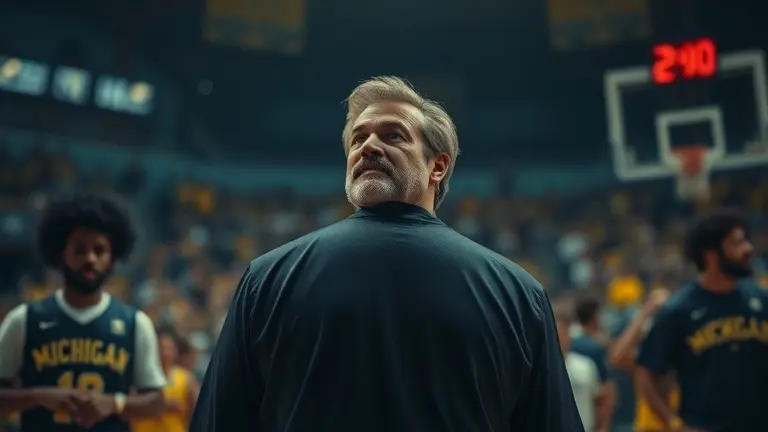
In a move that has sent shockwaves through the collegiate sports landscape, Dusty May has officially departed the University of Michigan to accept the head coaching position for the NBA’s Dallas Mavericks. Just months after delivering a historic national championship to Ann Arbor in April 2026, May’s sudden exit leaves a massive void at the helm of the Wolverines. While the University has acted swiftly by naming assistant Mike Boynton Jr. as the interim head coach for the 2026-27 season, the college basketball world is left reeling from the speed of this transition.
As the dust settles, the spotlight now shifts to what this means for Michigan’s competitive future. From the tactical shift under Boynton’s interim regime to the rampant fan-led speculation surrounding high-profile names like Billy Donovan, the program stands at a critical crossroads. Navigating this uncertainty requires more than just following headlines; it demands a clear understanding of the shifting dynamics that define modern basketball success. For fans and analysts alike, the question is no longer just about who is next, but how the program can sustain its championship-caliber trajectory.
The Departure: Dusty May Exits Michigan for the Dallas Mavericks
In a seismic shift for collegiate athletics, Dusty May has officially stepped down as the head coach of the Michigan basketball program to accept the head coaching position with the NBA’s Dallas Mavericks. This transition comes less than three months after May cemented his legacy in Ann Arbor, leading the Wolverines to a resounding national championship victory in April 2026. The move concludes a brief but historic tenure, during which May compiled a remarkable 64-13 record over just two seasons, transforming Michigan into a premier national power.
The decision by the Dallas Mavericks to target May highlights the growing trend of NBA franchises looking toward successful collegiate minds to bridge tactical gaps at the professional level. For Michigan, the immediate aftermath has been one of swift stabilization. Athletic department officials confirmed that Mike Boynton Jr., who served as a key assistant under May, will step in as the interim head coach for the 2026-27 season. This appointment is designed to maintain continuity for a roster reeling from the sudden loss of a championship-winning architect.
Understanding the Impact of the Transition
The suddenness of the departure has ignited intense speculation regarding the future of the program and the potential for a high-profile permanent replacement. While the interim designation of Mike Boynton Jr. provides a temporary buffer, the national conversation has quickly pivoted toward established coaching veterans. Notable points regarding the current transition include:
- Roster Stability: With the transfer portal window looming, Boynton’s primary challenge is retaining a championship-caliber roster that was built specifically for May’s fast-paced, analytical system.
- Tactical Shifts: Observers are questioning whether the team will retain May’s signature sets or if Boynton will implement his own defensive-minded philosophy.
- The Billy Donovan Speculation: Despite the interim status of the current staff, names like Billy Donovan have surfaced in public discourse and on platforms like Reddit as the ideal candidates to lead the program long-term, though no formal outreach has been confirmed by the University of Michigan.
The departure of May serves as a stark reminder of the volatile nature of modern college basketball. As Michigan moves forward, the pressure to secure a long-term leader who can sustain the success achieved during the May era will remain the central theme of the upcoming offseason.
Mike Boynton Jr. Named Interim Head Coach for 2026-27
In the immediate aftermath of Dusty May stunning the college basketball world by departing for the Dallas Mavericks just months after securing a national title, the University of Michigan has moved quickly to stabilize its program. The athletic department announced the appointment of Mike Boynton Jr. as the interim head coach for the 2026-27 season. This strategic move is designed to provide immediate continuity for a roster currently reeling from the loss of a championship-winning tactician. By elevating an assistant who already understands the intricacies of the team’s culture, Michigan aims to mitigate the risk of a mass exodus via the transfer portal.
Assessing the Strategic Pivot to Boynton Jr.
The decision to entrust the program to Mike Boynton Jr. signals a preference for internal stability over a rushed, high-stakes external search. While fans and analysts have already begun connecting high-profile names like Billy Donovan to the permanent vacancy, the university is clearly buying time to conduct a thorough national search once the dust settles. Boynton Jr.’s reputation as a strong communicator and player-developer makes him an ideal steward during this volatile off-season.
Key factors influencing this transition include:
- Tactical Continuity: Boynton Jr. is intimately familiar with the system that led Michigan basketball to a national championship in April 2026, allowing for a seamless transition in practice structures and game-day preparation.
- Roster Retention: Keeping a familiar face at the helm provides the players with a sense of security, which is vital when navigating the uncertainties of coaching changes in the modern collegiate era.
- Buy-in from Leadership: The appointment suggests that the current athletic administration values the foundation laid during the brief but historic two-year Dusty May era.
While the long-term future of the program remains a subject of intense speculation, the interim tag on Mike Boynton Jr. allows the university to stabilize the ship while maintaining flexibility for potential long-term hires, such as the rumored interest in Billy Donovan. For now, the focus remains entirely on maintaining the championship standards established just months ago.
Coaching Philosophies: Comparing the Michigan Transition

The departure of Dusty May for the Dallas Mavericks creates a seismic shift for the Michigan basketball program just months after a historic national title. May’s tenure was defined by a high-octane, analytically driven offense that prioritized floor spacing, relentless ball movement, and a sophisticated pick-and-roll system. His ability to cultivate chemistry among a rapidly assembled roster resulted in a 64-13 record, proving his tactical adaptability under pressure. Transitioning away from this system requires a nuanced look at the incoming interim leadership.
The Boynton Influence: A Shift in Tactical Identity
Appointed as the interim head coach, Mike Boynton Jr. brings a vastly different pedigree to Ann Arbor. While May leaned heavily into offensive spacing and perimeter shooting, Boynton is widely regarded for his defensive intensity and his ability to maximize the physical potential of his athletes. Throughout his career, Boynton has favored:
- High-Pressure Defensive Schemes: Implementing aggressive man-to-man defense that forces turnovers and generates easy transition points.
- Player Development Focus: Prioritizing long-term physical conditioning and individual skill sets over rigid offensive sets.
- Grind-It-Out Mindset: Emphasizing rebounding and toughness, a stark contrast to the finesse-based playstyle that characterized the 2026 championship run.
Stability vs. Innovation
The transition to Mike Boynton Jr. represents an effort by the university to maintain locker room stability, yet the change in philosophy is undeniable. While fans and analysts on platforms like Reddit continue to clamor for a permanent, high-profile hire—with names like Billy Donovan frequently appearing in the discourse—the current roster must quickly adapt to Boynton’s more physical brand of basketball. Evidence suggests that while the offensive efficiency may dip during this interim period, the emphasis on defensive accountability could keep Michigan competitive in the grueling Big Ten landscape. Ultimately, the program’s identity will hinge on whether Boynton can marry his defensive-minded philosophy with the existing talent pool left behind by May.
The Search for a Permanent Successor: Fact vs. Speculation

Following the sudden departure of Dusty May to the Dallas Mavericks just months after securing a national title, the University of Michigan finds itself at a pivotal crossroads. While the immediate administrative action has been the appointment of Mike Boynton Jr. as the interim head coach for the 2026-27 season, the vacuum left by a championship-winning coach has naturally fueled intense public discourse. Across digital landscapes, particularly on platforms like Reddit, the fanbase is already clamoring for a high-profile permanent replacement to maintain the program’s elite trajectory.
Distinguishing Rumors from Administrative Reality
It is essential to separate confirmed institutional decisions from the speculative noise circulating in the media. Currently, the following facts remain clear:
- Mike Boynton Jr. is the designated leader for the upcoming campaign, tasked with stabilizing a roster that remains reeling from the loss of its visionary architect.
- The university has not released a formal timeline for a permanent coaching search, indicating a strategy of patience rather than a reactionary hire.
- Speculation regarding Billy Donovan has dominated social media threads; however, no official contact between the university and the veteran coach has been corroborated by verified sports outlets.
While the prospect of hiring a coach with the pedigree of Billy Donovan is an attractive narrative for supporters, fans must distinguish between fan-led enthusiasm and actual recruitment efforts. High-stakes coaching searches in the Big Ten require rigorous vetting processes that rarely align with the frantic pace of internet discourse. As the athletic department evaluates the long-term future of Michigan basketball, the focus will likely remain on providing Mike Boynton Jr. the necessary support to manage the immediate transition. For now, the administration appears committed to a deliberate approach, prioritizing the long-term health of the program over the allure of quick, high-profile headlines.
Mastering the Transition: Clarity Amidst Coaching Chaos
The departure of Dusty May marks the end of a whirlwind chapter for Michigan basketball, forcing the program into an immediate era of adaptation under Mike Boynton Jr. While the speculation involving veteran coaches like Billy Donovan will likely continue to dominate social discourse, the immediate reality is a battle for consistency and tactical stability. Understanding these complex shifting pieces within the collegiate landscape requires a high level of analytical focus, especially when separating verified news from speculative noise.
Just as a head coach needs to maintain peak mental acuity when navigating a high-stakes roster transition, you need the same cognitive focus to parse the intricate details of Michigan’s new coaching landscape. To truly master the deep-dive analysis of such complex sports transitions, you need a competitive edge that keeps your mind sharp and your comprehension high. This is where professional-grade cognitive support becomes your ultimate force multiplier.
We recommend integrating The Brain Song into your daily routine. By utilizing this auditory tool, you are effectively sharpening your sports analysis capabilities, allowing you to process intricate data with the precision and speed of a professional scout. It is the natural next step for any reader committed to viewing the game through a high-performance lens.
 Optimize your focus and sharpen your sports analysis by trying The Brain Song’s 12-minute daily routine today.Yes, I Want This Now!