

As we approach the July 22, 2026, Galaxy Unpacked event, the tech community is moving beyond the initial thrill of rumors to face a sobering reality: the Galaxy Z Fold 8 isn’t just a simple refresh. With regulatory filings confirming significant shifts—including a potential ‘Wide’ model, enhanced satellite connectivity, and a battery capacity pushing toward the 5,000mAh mark—the landscape for premium foldables has shifted from general curiosity to a complex puzzle of hardware trade-offs. Prospective buyers are now forced to weigh the benefit of a thinner, more ergonomic design against the looming prospect of a significant price hike.
Yet, parsing through leaked schematics, debating the durability of 30% thicker inner glass, and determining if new features are essential tools or mere gimmicks can be mentally exhausting. The decision to invest in the next generation of mobile computing requires more than just a quick scan of a spec sheet; it demands a deep, clear-headed analysis of how these devices will integrate into your professional life. Before you lock in your pre-order, it is vital to ensure that your analytical focus is as sharp as the engineering behind these flagship devices.
The Road to Galaxy Unpacked: What the Fold 8 Leaks Reveal
As we approach the July 22, 2026, Galaxy Unpacked event, the conversation surrounding the Fold 8 has shifted from speculative whispers to verified technical certainty. Regulatory filings from both the FCC and IMDA have surfaced, providing the strongest evidence yet that Samsung is finalizing its next-generation foldable ecosystem. These official document trails confirm that the device is moving through the final stages of certification, cementing the late-July launch window as a reliable target for enthusiasts and early adopters alike.
The transition from vague rumors to concrete data points highlights a sophisticated hardware refinement strategy. Unlike previous generations that focused primarily on form factor, the Fold 8 appears to prioritize utility and reliability through significant internal upgrades. Current leaks and filings suggest several key improvements designed to address long-standing user feedback:
- Satellite Connectivity: FCC documentation verifies the integration of specialized modem hardware capable of satellite-based communication, positioning the device for off-grid safety.
- Enhanced Battery Density: Technical reports indicate a jump to a 4,800mAh–5,000mAh capacity, addressing one of the most common critiques of previous foldable iterations.
- Durability Gains: Industry analysis points to a 30% increase in inner display thickness, a hardware choice intended to improve long-term glass integrity against daily creasing and pressure.
These hardware specifications suggest that Samsung is preparing to justify a higher price point by delivering a more robust, “pro-grade” foldable experience. By shifting the focus toward a Fold 8 Wide model and addressing internal component density, Samsung is clearly positioning the device for power users who demand both portability and high-end performance. As we move closer to the official unveiling, the synergy between these regulatory filings and credible supply chain leaks suggests the Fold 8 will be the most technically dense foldable the company has produced to date.
Standard Fold 8 vs. Fold 8 Wide: Choosing Your Form Factor
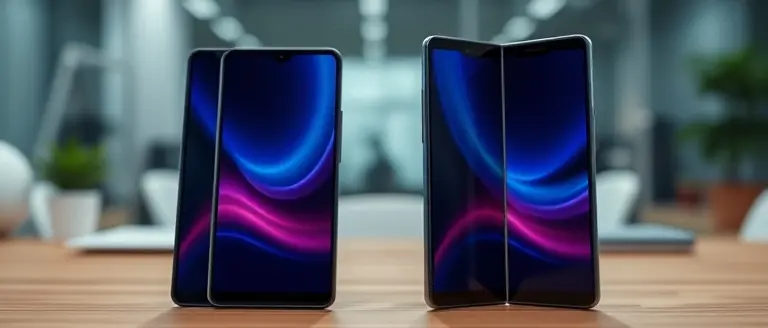
The most significant shift in the Galaxy Z Fold 8 lineup is the introduction of a dual-tier hardware strategy. With the leaked emergence of the Fold 8 Wide model, featuring a 5.4-inch outer screen, Samsung is attempting to bridge the gap between traditional smartphone ergonomics and tablet-like utility. While the standard Fold 8 retains the familiar, slender aspect ratio that prioritizes one-handed reachability, the Wide variant mimics a more conventional handset footprint, drastically altering the user experience for those who found previous generations too narrow for standard typing.
Ergonomics and Display Dynamics
Choosing between these two models comes down to how you interact with your device throughout the day. The standard Fold 8 is optimized for multitasking enthusiasts who spend the majority of their time utilizing the expansive inner display. Its design minimizes physical width, making it easier to grip while closed, which is a major advantage for commuters or users who frequently navigate with one hand.
Conversely, the Fold 8 Wide target audience consists of power users who rely heavily on the outer display for quick tasks like emails, messaging, and media consumption. By increasing the outer display width, Samsung is addressing the primary grievance of the series: the cramped keyboard feel. If you are a casual consumer who values a “normal” phone experience when folded, the Wide model is the clear winner. However, if your daily workflow revolves around advanced split-screen configurations and vertical scrolling, the standard model’s slimmer profile remains superior for long-term handling comfort.
Choosing Your Ideal Form Factor
When weighing your pre-order decision, consider these critical trade-offs:
- The Standard Fold 8: Best for media-heavy users who treat the outer screen as a secondary tool and prioritize palm comfort during extended use.
- The Fold 8 Wide: The better choice for heavy texters and users transitioning from standard flagships who need a functional, high-usability outer screen without unfolding the device.
- Weight Distribution: The Wide model is expected to be physically broader, which may shift the center of gravity; ensure you handle the unit in-store if you are sensitive to heavy, balanced phone designs.
Ultimately, your choice depends on the balance between pocketability and screen real estate. As the July 22, 2026, launch approaches, evaluate whether the increased price of the Fold 8 series is justified by the ergonomic benefits offered by your chosen form factor.
Performance Upgrades: Is the 5,000mAh Battery a Game Changer?
The Samsung Galaxy Z Fold 8 is poised to address the most persistent criticism of the foldable line: endurance. Leaked specifications and regulatory documentation suggest a significant leap in energy capacity, with the standard model housing a battery between 4,800mAh and 5,000mAh. When paired with the rumored next-generation chipset—which focuses heavily on power efficiency via a refined node architecture—this hardware shift promises to finally bridge the gap between “all-day” battery claims and real-world performance for heavy users.
Analyzing the Efficiency Gains
While a 5,000mAh capacity seems incremental compared to the Fold 7, the real-world utility will depend on how effectively the hardware manages power during high-intensity tasks like multitasking or gaming. Evidence suggests that the integration of the new chipset will minimize thermal throttling, allowing for consistent performance throughout the day. For power users, this is the most critical area of concern.
- Extended Work Cycles: The 5,000mAh capacity provides the necessary headroom for the demanding inner display, ensuring that multitasking productivity isn’t cut short by mid-afternoon power anxiety.
- Thermal Management: Improved power efficiency means less heat generation, which not only preserves battery health over time but also maintains peak processing speeds for longer periods.
- Satellite Connectivity Impact: Users should note that features like satellite connectivity will consume background power; however, the expanded battery is specifically designed to accommodate these always-on auxiliary radios without compromising core functionality.
Is the Upgrade Worth the Price Hike?
For owners of the Fold 6 or Fold 7, the decision to upgrade hinges on whether your current device suffers from “battery fatigue.” If your current handset requires mid-day top-ups, the Fold 8’s efficiency gains represent a functional necessity rather than a luxury. However, if you are currently satisfied with your battery life, the reported price increases for the Fold 8 series may outweigh the benefits of these incremental performance tweaks. The Fold 8 is clearly being positioned as a workhorse, but buyers should weigh these technical improvements against the premium cost before committing to a pre-order.
Pre-Order Buyer’s Guide: Calculating Your Return on Investment
Deciding whether to secure a Fold 8 on the July 22, 2026, launch date requires a strategic assessment of your current hardware versus the marginal gains offered by Samsung’s latest iteration. With reports of a higher price point compared to the Fold 7, the “Return on Investment” depends heavily on how you utilize foldable technology. If you are a power user who relies on the device for professional productivity, the rumored 30% increase in inner display thickness and integrated satellite connectivity represent tangible reliability improvements that justify an early move. However, if your current device is still under a standard two-year lifecycle, the incremental hardware upgrades may not warrant the premium early-adopter tax.
Weighing the Fold 8 vs. Fold 8 Wide
The introduction of the Fold 8 Wide creates a distinct fork in the purchasing path. The 5.4-inch outer screen on the Wide variant addresses long-standing complaints regarding narrow typing experiences, making it the superior choice for users who prioritize outer-display utility. Consider these factors before committing to a pre-order:
- Trade-in Valuations: Samsung historically offers enhanced credit for previous-generation foldables during the first week of launch. Use this to offset the anticipated price hike.
- Satellite Utility: Evaluate if your lifestyle involves frequent off-grid travel. If not, the satellite features verified by FCC filings may remain a dormant, expensive luxury.
- Durability Gains: The thicker inner glass is designed to reduce crease visibility and improve long-term resilience. If you are a “heavy wrapper” or frequent opener, this hardware longevity is a primary driver for an upgrade.
For most consumers, waiting for the inevitable post-launch promotions—typically occurring 90 days after release—is the most fiscally responsible approach. If you aren’t desperate for the latest form factor, hold off until the initial market correction stabilizes the price, ensuring you get maximum value for your investment in the Fold 8 ecosystem.
Making Your Final Decision with Total Clarity
Whether you choose the standard model or opt for the expansive ‘Wide’ variant, the Galaxy Z Fold 8 represents a pivot point in mobile hardware. While the engineering team at Samsung has clearly focused on balancing form factor with raw battery performance, the ultimate value of this upgrade rests on how you prioritize durability, ergonomic comfort, and satellite-enabled connectivity. Making the right choice requires isolating the features that genuinely impact your daily workflow from the marketing noise that often accompanies such high-profile releases.
However, dissecting these technical specifications can lead to significant cognitive load, often leaving even the most seasoned tech enthusiasts feeling drained or indecisive. This is where the gap between information and true insight widens. If you find yourself struggling to synthesize these complex details, consider incorporating a 12-minute auditory routine designed to clear the mental fog and sharpen your focus. By clearing the noise, you ensure that your next tech investment is backed by genuine clarity rather than fatigue-driven impulsivity.
The Brain Song is the perfect companion for the modern power user. It works by optimizing your mental state, allowing you to parse complex hardware trade-offs with ease, improved learning capacity, and sustained attention. Don’t let mental fatigue compromise your high-stakes purchasing decisions; equip yourself with the cognitive edge needed to master the tech ecosystem.
 Optimize your cognitive performance for your next tech upgrade with The Brain Song.Sharpen My Focus Now!