
The fast-food crown has shifted. For over a decade, Chick-fil-A held an ironclad grip on the American Customer Satisfaction Index (ACSI), setting the gold standard for service and consistency. But the 2026 ACSI Restaurant and Food Delivery Study has delivered a seismic shock: for the first time in ten years, Chick-fil-A has been unseated by Jersey Mike’s. This isn’t just a minor statistical blip; it represents a critical pivot in consumer behavior. As diners face rising inflation, aggressive delivery pricing, and an ongoing $4.4 million settlement over transparency issues, the loyalty that once defined the Chick-fil-A experience is showing cracks.
Beyond the legal headlines and expansion metrics, a deeper cultural shift is underway. Modern consumers are no longer satisfied with speed alone; they are demanding nutritional value, protein-forward menus, and genuine price integrity. This investigative analysis explores how the service-model dominance of industry giants is faltering against a new wave of fast-casual transparency. We examine not just what these chains must change to reclaim their stature, but why the American diet is at a breaking point—and what you can do to take back control of your metabolic health in an era of processed convenience.
The End of an Era: Decoding the 2026 ACSI Restaurant Rankings

For over a decade, Chick-fil-A has stood as the undisputed titan of the fast-food industry, maintaining a standard of service and consistency that competitors could rarely touch. However, the release of the 2026 American Customer Satisfaction Index (ACSI) study marks a pivotal shift in the landscape. While Chick-fil-A maintained its respectable score of 83/100, it was unseated for the first time by Jersey Mike’s, which debuted in the top spot with an 84/100 rating. This change signals that mere stability is no longer sufficient to retain customer loyalty in an increasingly crowded and scrutinized market.
Why Stability is No Longer Enough
The stagnation of Chick-fil-A’s score despite a massive footprint of over 3,000 units suggests that aggressive expansion might be creating friction points that consumers are finally noticing. As the brand scales, the premium on personalized service and operational precision—factors that once defined its dominance—may be thinning. Several factors are contributing to this cooling of consumer sentiment:
- Delivery Transparency Issues: The recent $4.4 million settlement regarding undisclosed delivery markups has damaged brand trust. Modern diners are hyper-aware of “hidden costs,” and legal scrutiny regarding pricing transparency has made the brand more vulnerable than ever.
- The Pursuit of Protein: Market trends indicate that high-protein menu options are now the primary driver of customer traffic. While Chick-fil-A is testing new menu variations to satisfy these cravings, competitors like Jersey Mike’s are winning on the perception of “fresh, high-quality, made-to-order” ingredients.
- The “Fast-Casual” Shift: Consumers are increasingly prioritizing food quality over traditional speed-of-service metrics. By aligning with the “fresh slice” narrative, Jersey Mike’s has successfully pivoted the conversation away from the old fast-food model, creating a new benchmark for what diners expect from a premium meal.
Ultimately, this ranking does not signal the decline of a brand, but rather the maturation of a consumer base. Today’s diners demand more than just efficient drive-thrus; they demand financial transparency and high-quality, protein-dense options that align with evolving health-conscious lifestyles. To reclaim its spot at the top, Chick-fil-A must move beyond its established operational model and address these deeper systemic expectations.
Service Models Collide: The ‘Gold Standard’ vs. ‘The Fresh Slice’
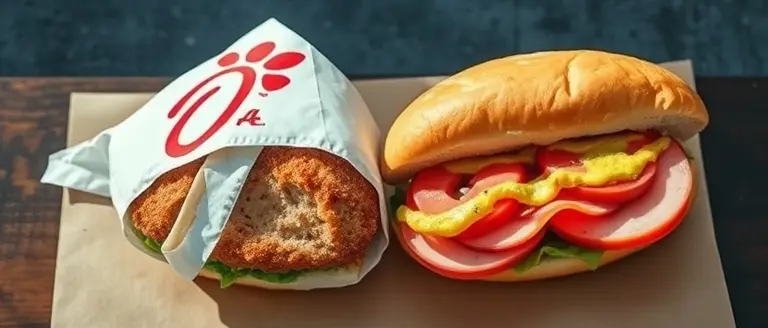
For over a decade, Chick-fil-A defined the “Gold Standard” of the quick-service industry. Their operational model relies on extreme standardization, hyper-efficient drive-thru logistics, and a service culture that prioritizes speed and predictability. By refining every second of the customer journey, the brand maintained an ACSI score of 83/100, effectively turning the drive-thru into a highly controlled, high-volume production line. However, the recent shift in consumer sentiment, as evidenced by the 2026 ACSI findings, indicates that the American public is recalibrating what they value most in a dining experience.
The Shift Toward Perceived Quality
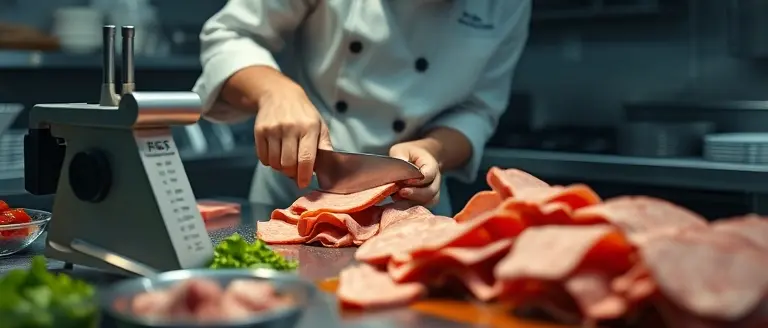
The rise of Jersey Mike’s—which outperformed Chick-fil-A with a score of 84/100—marks a departure from the “speed-above-all” mentality. Jersey Mike’s utilizes a “Fresh Slice” model that is intentionally labor-intensive, requiring employees to slice meats and cheeses to order. While this inevitably results in longer wait times compared to the pre-assembled, heat-lamp-optimized model of traditional fast food, customers are signaling a willingness to trade speed for a perception of higher ingredient quality and craftsmanship.
Key differences between these competing service philosophies include:
- Standardization vs. Customization: Chick-fil-A thrives on a simplified, focused menu that minimizes friction, whereas Jersey Mike’s leans into the tactile experience of freshly prepared, bespoke sandwiches.
- The Wait-Time Perception: Consumers now associate the labor involved in “fresh-sliced” products with increased health benefits and freshness, effectively devaluing the “instant” gratification that previously crowned fast-food chains.
- Operational Trade-offs: While Chick-fil-A continues to expand its footprint toward 3,000 locations, its reliance on a high-speed, drive-thru-centric model is being challenged by a demographic that increasingly favors “fast-casual” transparency over “fast-food” convenience.
Ultimately, this data suggests that the “Gold Standard” is no longer solely about how quickly a tray reaches the customer’s hand. Instead, the market is pivoting toward a value proposition where the process of preparation itself—visible, manual, and fresh—serves as the primary driver of customer satisfaction in the modern fast-casual landscape.
The Protein Mandate: Shifting Consumer Priorities in 2026
In 2026, the battle for quick-service dominance has moved beyond mere speed of service and price points; it is now defined by the “Protein Mandate.” As consumers become increasingly macro-nutrient conscious, the traditional fast-food value proposition—once centered on cheap, calorie-dense carbohydrates—has faltered. Industry data, including insights from Nation’s Restaurant News, confirms that customers are aggressively seeking high-protein, “clean” menu options that align with fitness-oriented lifestyles. While Chick-fil-A has historically maintained a stronghold through its specialized poultry menu, the recent ACSI 2026 study suggests a significant pivot in brand loyalty toward chains that offer perceived superior freshness.
The Rise of the Freshness Halo
The shift in favor of chains like Jersey Mike’s reflects a growing consumer preference for the “fresh slice” narrative over deep-fried alternatives. Evidence suggests that the market now values:
- Nutritional Transparency: A clear breakdown of protein-to-calorie ratios that supports long-term health goals.
- Ingredient Integrity: The perception that freshly sliced deli proteins provide a more substantial, satisfying meal compared to processed fried options.
- Customization Power: The ability for the consumer to control their intake by modulating meat and vegetable portions.
This evolution poses a substantial challenge for Chick-fil-A. While the brand remains a staple of the American diet, it is currently navigating a period of intense scrutiny regarding menu innovation. To regain its top-tier status, the company must address the “health halo” gap. Consumers are no longer satisfied with standard menu items; they are actively voting with their wallets for brands that prioritize high-volume protein sourcing without the baggage of heavy breading or complex frying processes. As the market matures, the ability to balance operational efficiency with these sophisticated dietary demands will be the primary determinant of who commands the top spot in the 2026 Restaurant and Food Delivery Study and beyond.
Beyond the Menu: Trust, Transparency, and the Cost of Convenience

While Chick-fil-A has long been the gold standard for customer service, the recent $4.4 million settlement regarding delivery price transparency serves as a critical inflection point for the brand. Modern consumers are increasingly scrutinizing the “cost of convenience,” moving away from blind brand loyalty toward a model that prioritizes fiscal honesty. When hidden service fees and inflated delivery markups are revealed, the resulting erosion of trust can be more damaging to brand equity than any menu shortcoming or service delay. The ACSI 2026 Restaurant and Food Delivery Study suggests that customer satisfaction is no longer tethered solely to the quality of the chicken sandwich; it is now inextricably linked to how a company handles the economics of its delivery ecosystem.
The Shift Toward Radical Price Integrity
The rise of competitors like Jersey Mike’s—which outperformed Chick-fil-A in the latest rankings—highlights a broader industry pivot. Today’s diners are hyper-aware of “junk fees” and price opacity. This consumer frustration directly influences satisfaction scores because transparency has become a proxy for brand integrity. When a company is perceived as masking the true cost of a meal through complex fee structures, the customer’s perceived value drops, regardless of the brand’s long-standing reputation for speed and hospitality.
Key factors driving this shift in consumer sentiment include:
- The “Total Cost” Mindset: Customers now calculate the full cost of delivery, including service fees and delivery markups, before placing an order.
- Transparency as a Value Metric: Brands that offer clear, upfront pricing are winning the loyalty of price-sensitive, information-driven demographics.
- Integrity Over Expansion: Rapid growth—such as the expansion of over 3,000 Chick-fil-A locations—cannot mask the dissatisfaction caused by perceived price gouging, signaling that consistency in pricing is now as vital as consistency in food quality.
Ultimately, to reclaim the top spot, Chick-fil-A must address these structural grievances. By aligning its digital delivery experience with the same standard of excellence applied to its in-store service, the company can demonstrate that it values its customers’ intelligence as much as their repeat business.
Beyond the Fast-Food Fatigue: Reclaiming Your Metabolic Freedom
The dethroning of Chick-fil-A in the 2026 ACSI report marks more than a shift in consumer preference; it signals a fundamental turning point where diners are trading empty convenience for perceived quality and price integrity. As chains navigate legal battles over delivery fees and the intensifying demand for higher-protein offerings, the real winner is the empowered consumer who is beginning to question the traditional fast-food model. However, relying on a menu to save your health is a limited strategy when the modern landscape remains saturated with processed options.
While menu innovation at chains is a start, optimizing your body’s own internal fat-burning engine is the ultimate way to take control of your metabolic health. If you are tired of the cycle of processed food and mid-day energy slumps, you need a solution that works as hard as you do. CitrusBurn acts as a metabolic accelerator, helping to reactivate your natural thermogenic process to combat stubborn weight gain even when your busy schedule forces you to navigate the convenience-heavy modern landscape.
By integrating CitrusBurn into your daily routine, you aren’t just adjusting your diet—you are upgrading your body’s ability to process fuel and maintain energy, regardless of where you grab your next meal. Don’t let the limitations of the fast-food industry dictate your vitality. It is time to move past temporary dietary fixes and invest in a sustainable, science-backed approach to your long-term wellness.
 Discover how to safely reactivate your natural fat-burning process and reclaim your energy today.Reclaim My Metabolic Vitality Today!