

The 2026 FIFA World Cup has transformed the beautiful game into a high-octane data explosion. While static FIFA coefficients provide a historical baseline, they fail to capture the visceral reality of the current tournament’s knockout intensity. Today’s fans aren’t just watching goals; they are tracking real-time power rankings that shift with every tactical adjustment, injury report, and underdog breakthrough. As Japan and other rising nations dismantle the established hierarchy, the gap between official tables and true tournament form has never been wider.
To navigate this bracket, you need more than a cursory glance at the scoreboards. You need to synthesize complex performance metrics and upcoming bracket difficulty in real-time. Whether you are analyzing betting odds or predicting the next major upset, the difference between a casual viewer and a master strategist lies in your ability to process the volatility of this tournament with absolute precision.
Real-Time Power Rankings: Why Form Matters More Than FIFA Coefficients

As the 2026 FIFA World Cup reaches its critical stages on U.S. soil, the disparity between official soccer world rankings and the reality on the pitch has never been more apparent. While FIFA coefficients rely on a long-term mathematical formula based on historical matches and qualification consistency, they often fail to capture the volatile, high-stakes nature of a major tournament. For fans and analysts, real-time power rankings serve as a superior tool for gauging actual trophy potential, as they prioritize current form, tactical adaptation, and squad depth over legacy performance metrics.
Understanding the Shift from Coefficients to Momentum
The current tournament environment has proven that static data cannot predict the emergence of underdogs or the collapse of favorites. By focusing on World Cup contenders through a lens of live performance, experts provide a more accurate picture of team trajectory. Key factors that dictate these shifts include:
- Tactical Flexibility: A team’s ability to adjust formations mid-game to overcome unexpected defensive setups.
- Squad Resilience: The depth of the bench and a team’s capacity to handle injuries or fatigue during a condensed tournament schedule.
- Momentum Metrics: Recent goal differentials and clean-sheet trends within the current bracket, which carry more predictive weight than games played two years ago.
- Psychological Edge: How teams respond to the unique pressure of hosting or playing in hostile environments, a variable heavily influenced by the high-intensity atmosphere of the 2026 edition.
By ignoring historical rankings in favor of these dynamic indicators, analysts offer a clearer view of the knockout bracket predictions. Evidence suggests that this methodology is essential for identifying “dark horse” nations—like Japan’s recent surge—that possess the tactical discipline to disrupt traditional hierarchies. Ultimately, while official rankings provide a structural overview of global football, real-time evaluations are the only way to effectively navigate the unpredictability of a tournament where momentum is the primary currency.
Top World Cup Contenders: Evaluating Current Tournament Form
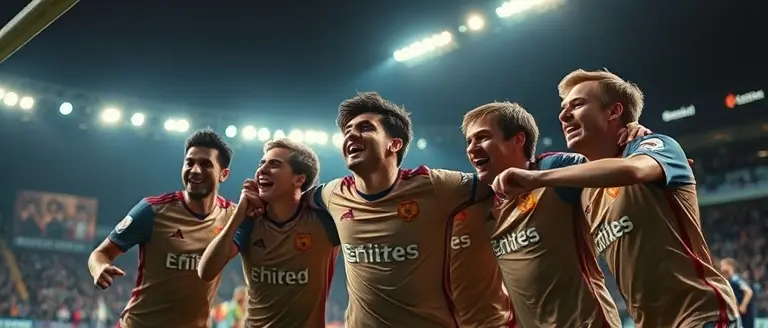
As the 2026 FIFA World Cup reaches its fever pitch on June 22, traditional soccer world rankings have become largely obsolete in predicting tournament outcomes. Instead, fans and analysts are focusing on real-time power rankings that prioritize current tournament form, tactical adaptability, and defensive resolve. While pre-tournament FIFA seeding favored established titans, the on-pitch reality shows a landscape defined by clinical efficiency and aggressive high-pressing systems that have dismantled defensive blocks across the group stages.
The Metrics of True Contenders
To identify the legitimate World Cup contenders, we look beyond surface-level results to analyze three key performance indicators: expected goals (xG) differential, defensive transition speed, and individual game-changing impact.
- Clinical Finishing: Teams currently dominating the charts are those averaging over two goals per match while maintaining high shot-on-target accuracy.
- Defensive Efficiency: The most resilient squads are limiting opponents to under 0.5 xG per game, showcasing the ability to nullify star attackers through structured zonal marking.
- Midfield Control: Possession metrics are secondary to “progressive carries,” a metric highlighting how effectively teams bypass the opposition’s press.
Rising Stocks and Bracket Shifts
The tournament bracket has been shaken by the emergence of high-performing underdogs. Japan, for instance, has surged in dynamic power rankings due to their tactical discipline and second-half conditioning, proving that modern tournament soccer rewards fitness and depth over historical prestige. Meanwhile, traditional heavyweights are finding that momentum—not past accolades—is the primary currency for survival in the knockout stages. As we transition into the business end of the tournament, the “stock” of teams that successfully rotated their squads without sacrificing defensive stability is trending upward. These contenders are not just winning; they are dictating the tempo and forcing opponents to abandon their preferred tactical identity, a clear sign of a potential champion in the making.
Bracket Difficulty and Knockout Path Analysis
In the landscape of 2026 soccer world rankings, static coefficients have been rendered largely irrelevant by the sheer volatility of the current knockout bracket. As the tournament progresses, a team’s position in our real-time power rankings is no longer defined solely by talent, but by the “path of resistance” they face. A favorable draw can inflate a team’s stock, while a “Group of Death” survivor facing a gauntlet of title favorites will see their predictive probability fluctuate significantly. Analysts now track the “Expected Difficulty Index,” which weighs upcoming opponents against historical defensive solidity and current tournament form.
Navigating the Gauntlet
The current bracket presents several distinct challenges that serve as definitive litmus tests for tournament favorites. For teams situated in the top half of the bracket, the road to the final involves navigating high-pressing tactical setups that have characterized the upsets of the last eight days. Conversely, teams on the bottom half face a more congested path, requiring greater squad depth to overcome back-to-back high-intensity matches. Key factors impacting these World Cup contenders include:
- Opponent Quality: Teams facing mid-tier defensive sides are seeing their betting odds improve, while those forced to break down compact low-blocks are trending downward.
- Rest Periods: Disparities in travel distance and recovery time between matches in the US-hosted venues are now a primary variable in our knockout bracket predictions.
- Tactical Mismatches: Evaluating whether a team’s primary playstyle holds up against the high-transition speed of potential quarter-final opponents.
Strategic analysts view these upcoming matchups as the ultimate filters for true champions. As we move deeper into the knockout stages, the teams that maintain high performance levels despite increasing bracket difficulty are the ones currently surging to the top of our predictive models. Fans should monitor these structural shifts closely, as the gap between a perceived “favorite” and a “title winner” is often decided by a single tactical adjustment in these high-stakes, high-pressure environments.
Stock Watch: Rising and Falling Teams

In the high-stakes environment of the 2026 FIFA World Cup, static soccer world rankings provide little insight into the actual probability of lifting the trophy. As the tournament reaches its critical knockout phase, the gap between pre-tournament expectations and on-pitch reality has never been wider. Our “Stock Watch” tracks the momentum of key nations, filtering through the noise of group-stage volatility to identify which World Cup contenders are peaking at the right time and which favorites are trending toward an early exit.
Rising Stocks: Momentum and Dark Horses
The most significant shifts in our real-time power rankings stem from tactical adaptability and squad depth. Currently, the following nations have seen their “stock” skyrocket:
- Japan: Following a dominant group stage, Japan has cemented its status as a tournament disruptor. Their ability to transition rapidly from defense to attack has made them a nightmare for traditional powerhouses, justifying their massive leap in recent media rankings.
- The United States: Riding the momentum of a home-field advantage, the U.S. squad is displaying a cohesive tactical structure that has analysts revising their knockout bracket predictions. Their efficient ball movement under pressure suggests they are more than just an underdog story.
Falling Stocks: Favorites Under Pressure
Conversely, several top-seeded teams are witnessing a dip in their market value as fatigue and injury concerns mount. Teams that relied heavily on individual brilliance rather than collective systems are finding it difficult to break down resilient, organized blocks.
- Underperforming Heavyweights: Several traditional giants are struggling to convert high possession numbers into quality shots, leading to a downward trend in their betting odds. Concerns regarding locker room cohesion and key player fitness are further dampening confidence in their ability to navigate the increasingly difficult bracket.
As we progress toward the final, tracking these fluctuations is essential for understanding the true trajectory of the tournament. The “Stock Watch” serves as a barometer for team health, helping fans look beyond legacy reputations to see who is truly playing championship-level soccer.
Mastering the Tournament Bracket with Analytical Precision
As we move deeper into the 2026 World Cup, the noise level from pundits and social media will only increase. Identifying which teams are genuine contenders requires the mental clarity to filter through the hype and focus on the data that actually dictates success. Tracking forty-eight teams through a grueling bracket is a cognitive marathon that demands your absolute peak performance to ensure you don’t miss the subtle shifts in momentum that define tournament legends.
This is where The Brain Song becomes your ultimate competitive advantage. Just as elite athletes optimize their physical state, savvy tournament watchers are using our science-based cognitive routine to sharpen their analytical edge. By clearing the mental fog that clouds your judgment, you gain the heightened clarity necessary to synthesize rapid-fire performance trends and bracket dynamics faster than your peers. Don’t just watch the games—analyze them with the precision of a professional.
Transform your approach to the 2026 World Cup by optimizing your decision-making processes. Whether you are finalizing your bracket predictions or analyzing live match-up volatility, this routine ensures you remain sharp, focused, and ahead of the curve until the final whistle blows.
 Sharpen your analytical edge for the remainder of the tournament—start your 12-minute daily cognitive routine here.Unlock My Peak Analytical Focus Now!