
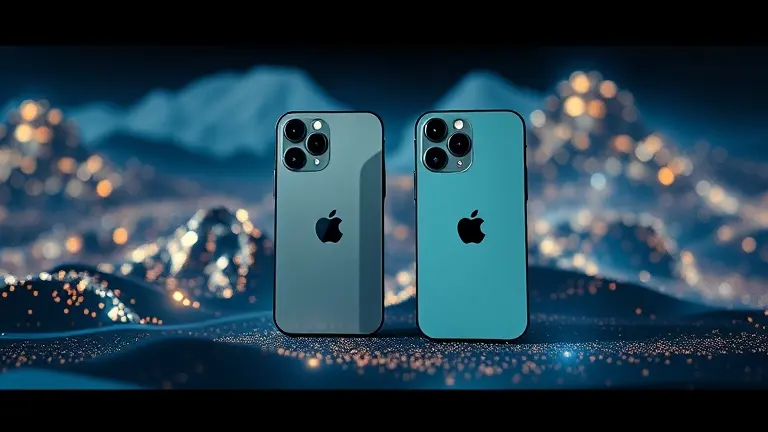
With the dust settling from WWDC, the rumor mill is officially in overdrive. As we approach September 2026, the latest iPhone rumors have shifted focus from software polish to the hardware behemoth that is the iPhone 18 series. With whispers of a groundbreaking 2nm A20 Pro chip, a massive 12GB RAM jump, and the potential debut of a folding ‘Ultra’ model, the anticipation is palpable. However, as entry prices threaten to climb toward a staggering $1,299, even the most loyal Apple enthusiasts are pausing to calculate the true value proposition of yet another yearly cycle.
Is the leap to 2nm architecture actually visible in your daily usage, or are we witnessing the plateau of diminishing returns? The temptation to upgrade is a constant, but making a data-backed decision requires more than just skimming spec sheets. In this article, we cut through the hype to determine if the next-gen hardware justifies the premium, helping you decide whether to pull the trigger this fall or skip the cycle and let your current iPhone 17 shine for another year.
The Road to September: Post-WWDC Expectations for the iPhone 18
With the conclusion of WWDC 2026, the tech community’s attention has shifted sharply from Apple’s software ecosystem to the physical horizon: the impending launch of the iPhone 18 series. As we enter this critical pre-launch window, the latest iPhone rumors are coalescing around a significant hardware overhaul that could redefine the premium smartphone segment. Industry analysts and supply chain leaks suggest that Apple is prioritizing a massive leap in processing architecture, specifically with the integration of the 2nm A20 Pro chip. This move is widely viewed as a strategic hedge against competitors, aiming to solidify Apple’s dominance in on-device AI performance and power efficiency.
Shifting Focus to Hardware Architecture
The shift from software-centric excitement to hardware speculation is typical for this time of year, yet the intensity surrounding the iPhone 18 is notably higher due to the sheer scale of the rumored upgrades. Enthusiasts are currently parsing data regarding:
- The 2nm A20 Pro Chip: Experts anticipate that the move to 2nm process technology will provide significant gains in energy efficiency, allowing for more intensive AI background processing without sacrificing battery longevity.
- Memory Upgrades: Reports of a jump to 12GB of RAM suggest that Apple is preparing its hardware for more sophisticated, multimodal AI workflows that demand substantial local resources.
- Design Iterations: Rumors of a smaller Dynamic Island continue to circulate, fueling debates about whether Apple will finally prioritize a cleaner, more minimalist display aesthetic this year.
Furthermore, the industry is buzzing with the potential arrival of an iPhone Ultra, a rumored high-end foldable iteration. While skepticism remains regarding its immediate feasibility, the discourse highlights a growing market appetite for form-factor innovation. As we move closer to September, consumers must weigh these internal hardware breakthroughs against concerns regarding inflationary pricing. With base models rumored to start at $1,299, the core question for prospective buyers remains whether the performance overhead of the A20 Pro justifies a premium price hike over the existing, highly capable iPhone 17.
The A20 Pro Performance Leap: 2nm Efficiency and 12GB RAM
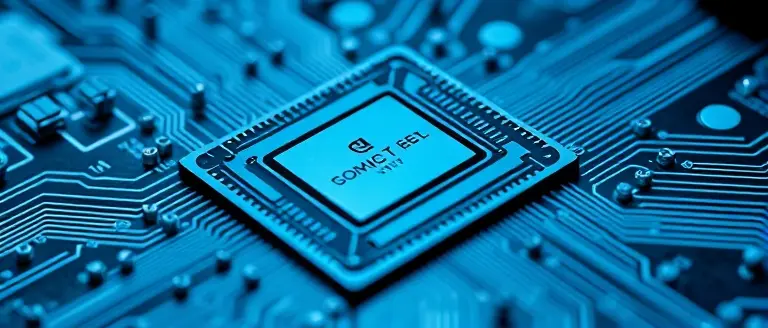
The most significant latest iPhone rumors surrounding the upcoming September release point toward a substantial architecture shift. At the heart of the iPhone 18 Pro is expected to be the 2nm A20 Pro chip, a milestone in semiconductor manufacturing. Moving from the current 3nm process found in the iPhone 17 to a 2nm architecture allows for a higher density of transistors within the same physical space. For the average user, this translates to superior thermal management and improved power efficiency, effectively extending battery longevity even when handling demanding tasks. While synthetic benchmarks will likely show double-digit gains, the real-world benefit will be felt in sustained performance during intensive gaming or high-resolution video rendering.
RAM Upgrades and Future-Proofing
Complementing the silicon upgrade is the highly anticipated transition to 12GB of RAM. This jump—a 50% increase over the previous generation—is designed to accommodate the growing computational requirements of on-device generative AI and complex multitasking environments. By providing more overhead for background processes, the device can maintain more apps in an active state, eliminating the frequent reloads often encountered on older models.
Key benefits of this hardware combination include:
- Enhanced AI Capabilities: The 2nm A20 Pro is specifically optimized for localized neural processing, ensuring that upcoming iOS features run faster and more privately.
- Improved Thermal Ceiling: Greater efficiency means the phone stays cooler under load, preventing aggressive thermal throttling during long sessions.
- Long-Term Value: With 12GB of RAM, the iPhone 18 Pro is positioned as a future-proof device capable of handling software updates and hardware-heavy applications for at least three to four years.
While skeptics question the necessity of such power for daily social media and communication usage, the combination of the 2nm process and expanded memory provides a compelling argument for users who prioritize longevity and high-end performance over the basic functionality found in their current iPhone 17.
iPhone 18 Pro vs. iPhone 17: A Decision Matrix for Upgraders
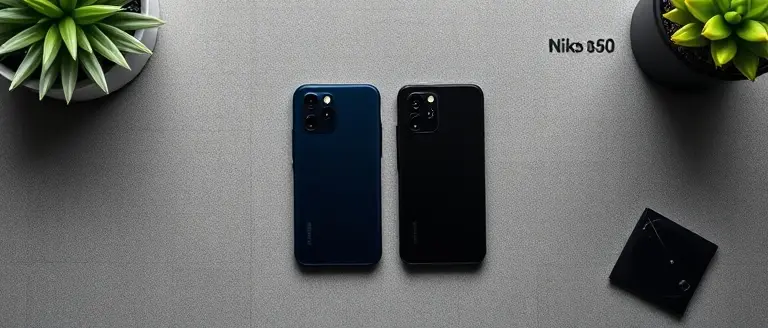
As the latest iPhone rumors intensify ahead of the September 2026 launch, current iPhone 17 owners face a difficult dilemma. With reports indicating a staggering $1,299 starting price for the iPhone 18 Pro, the barrier to entry is higher than ever. The primary value proposition for this upcoming cycle hinges on the transition to the 2nm A20 Pro chip and a massive leap to 12GB of RAM. While these technical milestones are impressive on paper, real-world utility for the average user often hits a point of diminishing returns. Before committing to a premium upgrade, consider this decision matrix to evaluate whether the leap is justified.
When to Upgrade: The Power User’s Case
If your daily workflow involves heavy on-device AI processing, intensive mobile gaming, or professional-grade video editing, the hardware shift to 2nm architecture is significant. The integration of 12GB RAM, as suggested by the latest supply chain insights, will likely future-proof your device against upcoming iOS software demands for the next three to four years.
- Professional Content Creation: If you push the current hardware to its thermal limits, the efficiency gains of the 2nm process will offer tangible improvements in battery life and sustained performance.
- AI Integration: Future iOS updates are expected to leverage the increased memory for on-device machine learning; more RAM means fewer background process resets and smoother multitasking.
- The “Early Adopter” Tax: If you value the rumored “Dark Cherry” aesthetic and the prestige of the latest Apple hardware, the $1,299 investment may hold higher resale value in the secondary market.
When to Stick with the iPhone 17
For the vast majority of consumers, the iPhone 17 remains a highly capable flagship. Unless your current device suffers from significant battery degradation or you require specific hardware features rumored for the 18, the “cost-per-feature” ratio for an upgrade this year is arguably unfavorable.
- Diminishing Returns: For browsing, streaming, and standard photography, the performance delta between the 3nm A19 and the 2nm A20 will be virtually imperceptible.
- Budget Sensitivity: Inflationary pricing trends suggest that the jump to a $1,299 baseline is a major shift in Apple’s pricing strategy. Avoiding this premium allows you to skip a cycle and potentially wait for the first-generation foldable iPhone Ultra rumored for later release.
- Stability Over Specs: If your iPhone 17 is still covered under AppleCare+ or carries a strong battery health percentage, waiting until 2027 ensures you bypass the typical “first-generation” hardware quirks associated with major manufacturing shifts like 2nm lithography.
Visualizing the Next Evolution: Design Rumors and Potential Colorways

As we approach the September 2026 launch window, the latest iPhone rumors have reached a fever pitch, focusing heavily on the physical refinement of the upcoming series. Apple’s design philosophy consistently centers on the balance between utility and aesthetic sophistication, and the iPhone 18 is expected to push this narrative further. Enthusiast circles are currently buzzing about a significant reduction in the Dynamic Island footprint. By shrinking the hardware housing for the TrueDepth camera array, Apple aims to reclaim valuable screen real estate, effectively pushing the device closer to the long-desired “all-glass” look that smartphone manufacturers have chased for years.
The Rise of the ‘Dark Cherry’ Aesthetic
Beyond screen geometry, the color palette remains a primary driver of pre-launch social media engagement. Apple frequently uses unique, exclusive colorways to signify a generation shift, and current leaks point toward a deep, sophisticated ‘Dark Cherry’ finish for the Pro models. This bold choice aligns with historical trends where Apple utilizes high-contrast, premium hues to create an immediate visual differentiator from the current iPhone 17 lineup.
- Minimized Dynamic Island: Rumors suggest a narrowed sensor array, enhancing the immersion of the display during media consumption.
- Premium Material Finishes: The ‘Dark Cherry’ colorway is expected to utilize a refined matte glass back, designed to mitigate fingerprints while maintaining a luxury feel.
- Tactile Ergonomics: Enhanced edge-rounding is rumored, aimed at improving hand-feel despite the potential for larger internal components like the 12GB RAM modules.
These subtle shifts are far more than cosmetic; they represent Apple’s strategy to maintain high-volume interest in an increasingly saturated market. While the internal upgrade to the 2nm A20 Pro chip offers the performance power, it is the refined visual identity—the smaller cutout and the striking new color—that typically triggers the “must-have” reaction from consumers. These design choices are crafted specifically to be shared across social platforms, fueling the hype cycle that defines the pre-launch environment for Apple hardware.
Making the Clear-Headed Choice
Deciding whether to upgrade to the iPhone 18 comes down to more than just raw power; it is about recognizing whether your current device is still serving your lifestyle or if the cost of the 2nm A20 architecture is truly an investment in your productivity. By weighing the real-world performance gains against the steep price tag, you can sidestep the industry-manufactured urgency and make a choice that actually makes sense for your wallet and your tech needs.
However, we know that dissecting complex technical specifications and navigating the endless rumor mill can be mentally exhausting. The information overload surrounding these leaks can lead to significant brain fog, clouding your ability to process data effectively. This is where clarity becomes your greatest asset. To ensure you make your next high-stakes tech purchase with total mental sharpness, we recommend integrating The Brain Song into your daily routine. It is designed to clear the fog, helping you cut through the noise so you can evaluate technical reports with the focus of a professional researcher.
By sharpening your cognitive processing, you transition from a passive consumer of rumors to an informed strategist capable of making the best purchase for your future. Don’t let the fatigue of complex tech research dim your decision-making power. Elevate your focus and approach the upcoming launch with absolute clarity.
 Sharpen your focus for your next tech upgrade: try this 12-minute daily routine to clear the mental fog.Clear My Fog and Decide Smarter!