

The political landscape of the United Kingdom has shifted tectonic plates today, June 22, 2026, following the shocking and unexpected resignation of Prime Minister Sir Keir Starmer. As the announcement rippled through social media—most notably via the official BBC News TikTok channel—it triggered an immediate and profound information vacuum, leaving both the British public and the international community scrambling for verified updates. From the halls of Westminster to the deep analytical circles of the Bangladeshi diaspora, the demand for non-partisan, accurate reporting on the future of the Labour Party has never been more urgent.
In times of such high-stakes political transition, distinguishing between fact and speculation is paramount. As we track the unfolding developments, it is essential for readers to remain sharp; the sheer density of breaking political news can easily lead to severe mental fatigue and ‘news fog.’ This article provides a comprehensive, live-update guide to the post-Starmer era, offering a steady, verifiable foundation to help you navigate the chaos of the coming days without losing your ability to process the critical details that will shape the nation’s future.
Sir Keir Starmer Resigns: An Unprecedented Political Shift
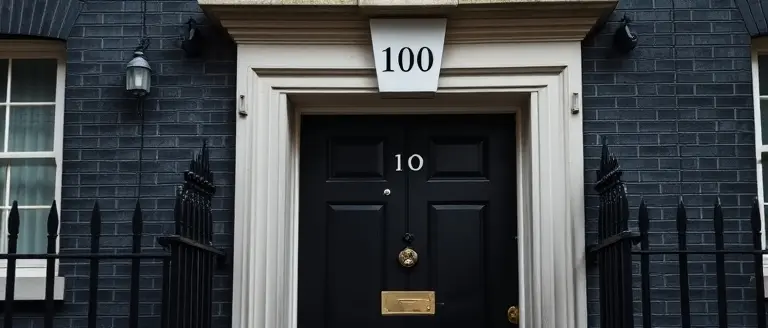
On June 22, 2026, the United Kingdom was plunged into a period of acute political uncertainty following the unexpected resignation of Sir Keir Starmer as Prime Minister and leader of the Labour Party. The announcement, confirmed through official channels, has triggered an immediate reassessment of the British political landscape. BBC News has been at the forefront of this developing story, providing minute-by-minute coverage that has reached millions of global citizens. Notably, the BBC News TikTok channel became a primary touchpoint for the public, with an official video update garnering over 56.1K likes in just three hours, signaling the rapid, viral spread of the news across digital platforms.
Westminster’s Immediate Response
The atmosphere in Westminster remains volatile as government officials and opposition leaders grapple with the implications of the vacancy at 10 Downing Street. Verified reports indicate that the resignation has initiated a swift scramble within the Labour Party to identify interim leadership candidates. While party whips have called for national unity, the sudden nature of this transition has caught many observers off guard. Key factors currently influencing the atmosphere include:
- The Leadership Vacuum: Senior Labour figures are currently engaged in emergency meetings to determine the timeline for a party leadership contest.
- Government Stability: The opposition has demanded clarity regarding a potential general election, adding pressure to an already fragile parliamentary situation.
- International Observation: Global markets and diplomatic partners are closely monitoring BBC News and other major outlets for official signals regarding the continuity of UK foreign and economic policy.
The Global Information Flow
Beyond the immediate British context, the resignation has had a ripple effect among international communities. Data indicates a significant surge in interest from the South Asian diaspora, particularly those relying on BBC World News Bangla for localized reporting. This demand highlights the critical role of trusted news aggregators during periods of institutional change. As the nation awaits the next steps in the formal resignation process, both domestic and international observers are urged to prioritize verified statements from Westminster to avoid the misinformation that often accompanies such high-profile geopolitical shifts. Further updates on the transition of power are expected as the political situation continues to evolve.
The Road to Transition: Potential Leadership Contenders
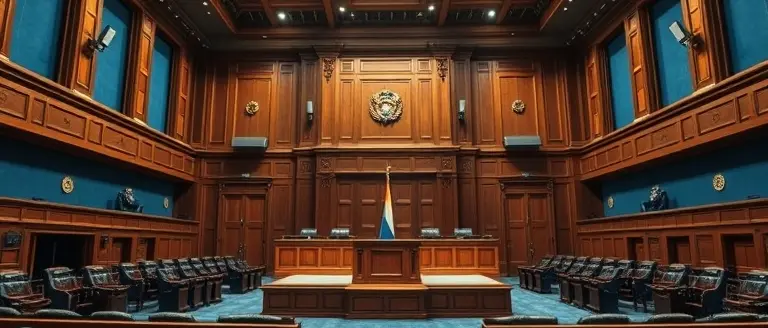
Following the shock resignation of Sir Keir Starmer on June 22, 2026, the United Kingdom enters a period of constitutional transition. As reported by BBC News, the Labour Party must now navigate its internal rulebook to select a successor. Under party procedures, the process begins with the National Executive Committee (NEC) setting a rigorous timetable for a leadership election, which balances the need for stability with the party’s democratic mandate. While the Cabinet remains in a caretaker capacity to ensure the continuity of government operations, the focus has shifted immediately to Westminster to identify candidates who can command the support of both the Parliamentary Labour Party (PLP) and the broader membership.
Key Contenders and Party Procedure
The leadership race is expected to be competitive, with several high-profile figures already being discussed by political analysts. Based on current party sentiment and previous performance within the shadow cabinet, potential contenders include:
- Rachel Reeves: Often cited for her economic policy background, she remains a primary candidate for those favoring continuity in financial governance.
- Wes Streeting: Known for his assertive reformist stance on public services, particularly the National Health Service (NHS).
- Angela Rayner: As the current Deputy Leader, her position provides her with high visibility and significant support among the party’s grassroots base.
To reach the ballot, candidates must secure a specific percentage of nominations from Labour MPs, a mechanism designed to ensure that only viable contenders proceed to the membership vote. This procedural threshold acts as a filter, narrowing the field before the party engages in a national campaign. Observers monitoring BBC World News coverage emphasize that the outcome of this contest will not only redefine the future of the Labour Party but will also dictate the government’s stance on critical international issues, including the ongoing economic climate during the 2026 FIFA World Cup. The party’s transition strategy aims to minimize market volatility, with the NEC expected to publish a finalized election schedule by the end of the week.
Global Perspectives: Impact on the Bangladeshi Diaspora

The unexpected resignation of Sir Keir Starmer has sent shockwaves far beyond the borders of the United Kingdom, triggering intense scrutiny among the global Bangladeshi diaspora. For these communities, BBC News serves as a vital bridge between their adopted homes in the UK and their cultural roots. As the political vacuum in Westminster develops, the Bangladeshi diaspora is closely monitoring how this leadership transition might influence bilateral relations, trade agreements, and immigration policies. Reliable information provided through platforms like BBC World News Bangla has become the primary source for millions seeking to understand the granular details of this transition amidst the broader distraction of the 2026 FIFA World Cup.
Implications for Diplomacy and Community Interests
The current political instability in the UK raises critical questions regarding the future of diplomatic ties. Key areas of concern for the South Asian community include:
- Trade Stability: Assessing how a change in Labour Party leadership might affect the UK’s existing economic partnerships and export sectors that involve South Asian markets.
- Immigration Policy: Analyzing whether incoming leadership will maintain the current trajectory of visa processing and professional skilled-worker pathways that many diaspora members rely upon.
- Representation: Monitoring the potential for new, diverse leadership within the Labour Party who may hold closer ties to the concerns of the British-Bangladeshi electorate.
Evidence suggests that when major domestic events like a Prime Ministerial resignation overlap with high-traffic global sporting events, news consumption habits shift toward trusted, non-partisan aggregators. The surge in engagement across BBC News platforms underscores a demand for localized, reliable analysis that avoids the noise of social media speculation. By providing factual updates, outlets like BBC World News Bangla are instrumental in helping the diaspora navigate this uncertainty, ensuring that community members remain informed about how Whitehall’s decisions will ultimately shape their global socio-economic landscape in the coming months.
Westminster in Flux: Real-Time Implications for Labour

The unexpected resignation of Sir Keir Starmer has triggered a period of profound uncertainty within the Labour Party, effectively halting ongoing legislative agendas and shifting the internal focus toward an immediate leadership transition. As reported by BBC News, the vacuum left at the pinnacle of the party has forced senior officials into emergency consultations to ensure continuity. The immediate fallout involves the freezing of several key policy debates as the party grapples with the sudden shift in power dynamics, leaving both the cabinet and the shadow government in a state of flux.
Timeline of the Resignation and Parliamentary Response
The rapid sequence of events has dominated the news cycle, requiring a clear, chronological breakdown of the transition:
- Initial Announcement: Sir Keir Starmer officially announces his resignation, citing personal reasons after weeks of speculation regarding internal party unity.
- Emergency Consultations: Senior Labour figures convene at Westminster to discuss the selection process for a new leader, emphasizing the need for stability during this transition.
- Legislative Stasis: Parliamentary business related to upcoming fiscal policy is temporarily deferred as the party establishes a formal caretaker mechanism.
- Public Reaction: Digital channels, including the BBC News official TikTok, have served as the primary source for real-time updates, capturing the shock of the electorate and international observers alike.
The party’s cohesion is currently being tested as factions emerge to discuss potential candidates. While official responses from the party whips stress a unified front, the reality on the ground suggests intense behind-the-scenes maneuvering. For stakeholders monitoring the situation, the primary indicator of stability will be the timeline set for the internal party election. As the BBC World News bulletins continue to broadcast these developments to a global audience, the UK’s legislative priorities remain in a delicate holding pattern, awaiting the resolution of this unprecedented leadership crisis.
Mastering the Complexity of Political Change
As the United Kingdom navigates the unprecedented political vacuum left by Sir Keir Starmer’s sudden resignation, the volume of information can be overwhelming. Processing these shifts in real-time requires not just a reliable news source, but a sharp, resilient mind capable of synthesizing rapid-fire data without falling victim to the intense cognitive strain that follows such monumental events.
Staying informed on fast-moving global political shifts requires immense concentration; to keep your cognitive edge sharp while navigating these complex developments, many readers are turning to optimized auditory routines. The Brain Song acts as your personal information processing accelerator, designed specifically to cut through the mental fog that occurs when consuming dense, fast-paced political updates. By integrating this routine, you move beyond mere consumption and gain the clarity needed to truly comprehend the gravity of the shifting landscape.
Equipping yourself with the right cognitive support is just as vital as following the official BBC News reports. When your focus is optimized, you can analyze the unfolding events with precision and calm, ensuring that you remain well-informed while protecting your mental bandwidth from the exhaustion of the 24/7 news cycle. It is time to reclaim your edge and approach the future of UK politics with unparalleled clarity.
 Reclaim your mental clarity and master the details of the transition with the 12-minute Brain Song routine.Yes, I Want This Now!