

When Japan and Tunisia step onto the hallowed turf of the Monterrey Stadium this June, they will do more than compete for three crucial Group F points. This fixture is officially etched into the annals of history as the 1,000th match in the storied chronicle of the FIFA World Cup. From the iconic roar of the ‘Vamos Nippon’ supporters to the deep-rooted pride of Tunisian football culture, the convergence of this monumental milestone with the high-octane energy of modern international competition creates a rare, unmissable spectacle. Further electrified by the cultural fusion of adidas and artist Ado, this game transcends the traditional boundaries of sports.
Yet, beyond the banners, the chants, and the star power, lies a profound test of tactical intelligence. Analyzing the evolution of football over a millennium of matches requires more than just passion; it demands a sharp, focused mind capable of synthesizing complex game states and historical trends. As we dissect this historic clash, we invite you to elevate your analytical game, ensuring you don’t just watch the match, but fully comprehend the tactical masterpiece unfolding before you.
A Historic Milestone: Japan vs. Tunisia as the 1,000th FIFA World Cup Match

The Japan vs. Tunisia fixture scheduled for June 20/21, 2026, at the Monterrey Stadium is set to transcend a standard group stage encounter. Officially recognized by FIFA as the 1,000th match in the storied history of the World Cup tournament, this game represents a monumental milestone in global football. Since the inaugural tournament in 1930, the competition has evolved into the world’s most prestigious sporting event, and marking the millennial match in North America—specifically at the iconic Monterrey venue—underscores the tournament’s expanding footprint and historical continuity.
Why the 1,000th Match Matters
The designation of this specific tie as the milestone match highlights the prestige surrounding this particular Group F encounter. FIFA’s historical tracking ensures that this fixture will forever be etched into the archives of the game. For fans and analysts alike, the event is more than a simple bid for points; it is a commemorative intersection of sporting heritage. The significance of this match includes:
- Legacy and Tradition: Celebrating the journey of the World Cup from its humble origins to the massive, multi-nation spectacle seen today.
- Geopolitical Reach: Showcasing how football unites diverse nations like Japan and Tunisia on a global stage in front of a massive international audience.
- Cultural Prestige: Elevating the match to a “must-watch” status, drawing significant media attention beyond traditional sports cycles.
The atmosphere at Monterrey Stadium is expected to be electric, as both teams play for national pride under the weight of this historic spotlight. With the stakes high for progression in the 2026 tournament, the added gravity of the 1,000th match provides an extra layer of motivation. Supporters watching globally will witness a definitive moment in football, where the tactical rigor of Japanese football meets the resilient, energetic spirit of the Tunisian side, solidifying the game’s place in the annals of FIFA’s illustrious tournament history.
Cultural Clash: The ‘Vamos Nippon’ Spirit vs. Tunisian Fan Fervor
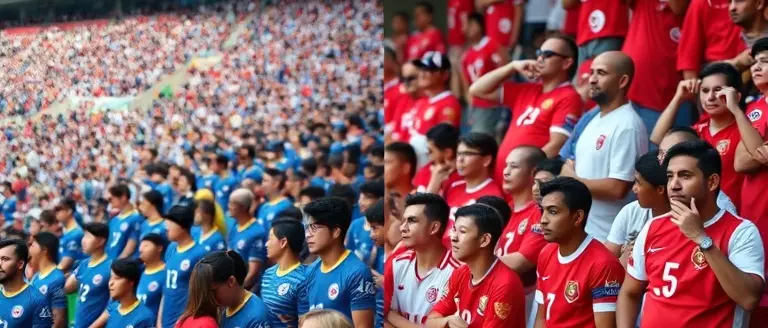
The Japan vs. Tunisia fixture at the 2026 FIFA World Cup represents more than just a tactical battle on the pitch; it is a convergence of two distinct, world-class supporter traditions. Japanese fans are globally recognized for the “Vamos Nippon” spirit—a highly disciplined, synchronized form of support. This culture is defined by rhythmic, coordinated chanting, and a respectful presence that often sees supporters tidying stadiums after matches. This organized intensity creates a wall of sound that feels less like chaotic cheering and more like a carefully orchestrated performance, reinforcing the national team’s cohesive playing style.
Conversely, the Tunisian fan experience is defined by infectious, high-energy spontaneity. Often drawing on North African musical traditions, Tunisian supporters bring a percussion-heavy, vocal intensity that creates an intimidating atmosphere for opponents. Their support is characterized by constant movement, traditional rhythmic chants, and a level of fervor that turns every match into a high-stakes emotional event.
Bridging Sport and Modern Japanese Culture
The cultural landscape surrounding this specific match is further elevated by the collaboration between adidas Japan and the iconic artist Ado. By featuring the song ‘KIRA’ as a promotional anthem, the partnership serves as a bridge between the disciplined, historical weight of the Samurai Blue and the vibrant, fast-paced nature of modern Japanese pop culture. This intersection of music and sport highlights several key aspects of the current fan experience:
- Modern Branding: The integration of J-Pop icons like Ado ensures the Japan vs. Tunisia match appeals to a younger, digital-native demographic beyond traditional football die-hards.
- Atmospheric Contrast: The precision of ‘Vamos Nippon’ fans provides a sharp, aesthetic contrast to the raw, pulsating energy brought by Tunisian supporters.
- Global Unity: While their expressions differ—one through choreographed unity and the other through vocal passion—both fanbases utilize these cultural markers to provide essential motivation for their respective squads during this historic 1,000th FIFA World Cup match.
This blend of traditional heritage and contemporary media ensures that the Tunisia vs. Japan encounter will be remembered as much for its vibrant atmosphere as for the milestone it represents.
Technical Tactical Breakdown: Analyzing the Japan and Tunisia Squads

The Japan vs Tunisia fixture at the 2026 FIFA World Cup promises a fascinating clash of philosophies. Japan, under their current tactical evolution, has leaned heavily into a high-pressing, possession-oriented structure. By utilizing fluid movement in the final third and a compact midfield, the Japanese squad aims to dictate the tempo of the game. Statistical analysis from recent international outings indicates that Japan favors building play through the half-spaces, relying on the technical proficiency of their wing-backs to stretch opposition defensive lines. This high-intensity approach requires significant stamina, as the team often utilizes a high defensive line to squeeze space in the middle of the park, effectively neutralizing opponents before they can initiate long-ball transitions.
In contrast, Tunisia vs Japan history points to a resilient Tunisian side that thrives on a disciplined, low-to-mid block defensive structure. Tunisia is renowned for its physicality and ability to maintain structural integrity under pressure. Their primary tactical objective is often to absorb pressure, force turnovers in deep areas, and launch rapid, vertical counter-attacks. Key tactical considerations for the Carthage Eagles include:
- Defensive Compactness: Maintaining a narrow shape to force opponents into wide areas where crossing becomes the primary, and less efficient, attacking outlet.
- Transition Speed: Utilizing swift ball progression through the central corridor immediately following a defensive regain.
- Set-Piece Efficiency: Leveraging height advantages during corners and free-kicks, which have historically been a pillar of their scoring threat.
When analyzing the technical dynamics, the game will likely be won or lost in the transition moments. Japan must find a way to bypass the well-drilled Tunisian defensive bank, while Tunisia will look to exploit any lapses in concentration during Japan’s offensive pushes. Given the high stakes of this 1,000th FIFA World Cup match, both sides are expected to prioritize defensive stability in the opening stages before adjusting their intensity levels based on the flow of the match.
How to Watch: Your Official Guide to the 1,000th Match

The Japan vs. Tunisia clash at Monterrey Stadium is more than just a Group F fixture; it marks the historic 1,000th match in the history of the FIFA World Cup. Given the magnitude of this milestone, global broadcasting networks have secured extensive coverage plans to ensure fans do not miss a single moment of the action. Whether you are following from the United States or abroad, understanding your viewing options is essential for catching the pre-match ceremonies that celebrate this centennial achievement in football history.
Broadcast and Streaming Options
In the United States, the primary rights for the 2026 FIFA World Cup are held by major broadcasters, ensuring high-definition coverage across multiple platforms. To streamline your viewing experience, refer to the following guide:
- Television Coverage: FOX Sports serves as the primary home for the tournament. Check your local listings for channel assignments, as the network often utilizes its secondary channels for high-demand fixtures like tunisia vs japan.
- Live Streaming: For cord-cutters, official streaming platforms such as the FOX Sports App, Fubo, and YouTube TV provide comprehensive coverage. Ensure your subscription is active prior to kickoff to avoid potential authentication delays during peak traffic.
- Global Time Zones: The match is scheduled for June 20/21, 2026. Fans in Japan should prepare for early morning viewing, while supporters in Tunisia will benefit from more favorable daylight scheduling.
- Digital Integration: Keep an eye on sports data aggregators like SportsLine and Dimers for real-time updates on betting odds, starting lineups, and injury reports leading up to the final whistle.
By utilizing these official channels, viewers can guarantee a reliable, high-quality stream of the 1,000th match. With cultural tie-ins, such as the promotional efforts surrounding Ado and adidas, the broadcast is expected to feature exclusive pre-game content that highlights the intersection of modern entertainment and elite sport. Confirm your local start time via the official FIFA portal to align with the global kickoff sequence.
Elevate Your Tactical Perspective
The 1,000th FIFA World Cup match represents more than just a number; it is a celebration of the sport’s enduring legacy and tactical sophistication. Whether you are analyzing the strategic movements of Japan’s midfield or the defensive resilience of Tunisia, your ability to process these nuances in real-time determines the depth of your fan experience. Just as the players on the pitch require peak mental clarity to navigate the immense pressure of such a historic event, true sports enthusiasts need their own cognitive edge to track every tactical shift.
This is precisely where The Brain Song becomes an essential tool for the serious fan. Designed to enhance focus and mental clarity, this 12-minute daily routine is the ultimate cognitive accelerator, allowing you to synthesize complex data sets—from historical head-to-head statistics to live tactical adjustments—without the fog of information overload. By integrating this practice into your pre-match preparation, you ensure that your mind is as tuned for the event as the athletes themselves.
Don’t settle for being a casual observer when you can experience the tournament with elite mental sharpness. It is time to transform your sports research and viewing habits into a high-performance pursuit. Take control of your cognitive potential today and experience the 1,000th match with unparalleled clarity and focus.
 Optimize your analytical focus for the big match; discover how a 12-minute daily routine can elevate your cognitive performance while watching the 1,000th FIFA match.Unlock My Cognitive Edge Today!