
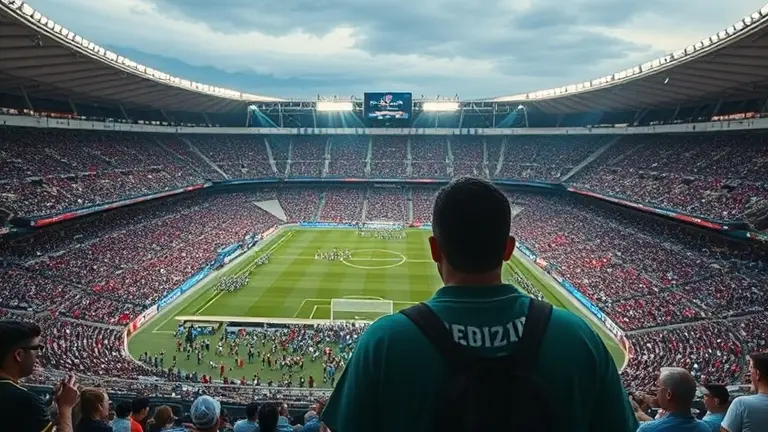
The atmosphere inside the Estadio Ciudad de México during the 2026 FIFA World Cup is nothing short of electric. As a primary venue for high-stakes matchups like Colombia’s intense tournament schedule, the stadium has become the pulsating heart of international football. However, navigating the logistical labyrinth—from complex transportation routes to evolving safety protocols—requires more than just a ticket and team spirit. For thousands of global fans converging on this iconic site, mastering the stadium experience is the difference between a seamless, unforgettable memory and a stressful ordeal.
Beyond the gates, the sheer volume of 80,000-plus roaring fans creates a sensory environment that is as physically taxing as it is exhilarating. While you prepare for the logistical challenges of reaching the stadium and securing your seat, it is equally critical to consider how to protect your well-being during the match. This guide moves past the typical sports reporting to deliver the on-the-ground intelligence you need to navigate the chaos, stay safe, and ensure you remain fully present for every historic moment on the pitch.
Estadio Ciudad de México: The Epicenter of World Cup 2026 Action
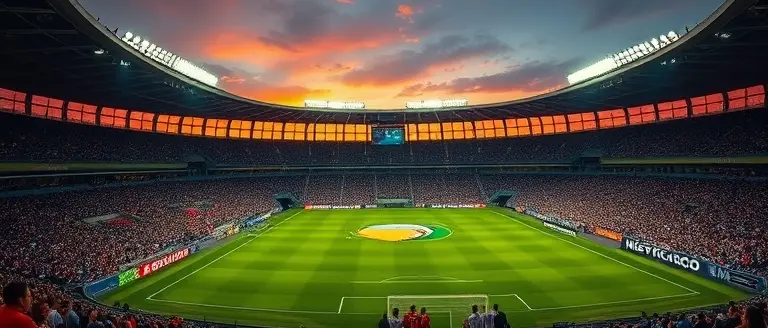
The Estadio Ciudad de México has firmly established itself as the beating heart of the 2026 FIFA World Cup in North America. Formerly known as Estadio Banorte, the facility has undergone a massive transformation to meet the rigorous standards of global tournament play. As of June 2026, the stadium serves as a critical stage for high-stakes matches, most notably the high-profile clashes featuring Colombia, which have drawn massive crowds and intense international media scrutiny. The stadium’s central role in the tournament schedule has elevated its status from a regional sports ground to an iconic global venue, marking a new chapter in the stadium’s storied renovation history.
Why the Venue Remains a Primary Focus
International fans and local attendees have gravitated toward the Estadio Ciudad de México due to its unique integration into the urban fabric of the capital. Beyond the 3-1 scorelines and tactical analysis provided by outlets like Soy Fútbol, the venue is being analyzed for its logistical capacity to handle thousands of spectators daily. The site has become a focal point for several reasons:
- Match Atmosphere: The venue currently hosts some of the most electric, albeit sometimes volatile, fan experiences of the tournament.
- Logistical Complexity: It serves as a testing ground for urban mobility, with significant efforts from groups like Steer to manage the inflow and outflow of fans through the city’s complex transport network.
- Safety Infrastructure: Due to recent reports of chaotic celebrations, there is a heightened emphasis on local police presence and updated security protocols designed to manage large-scale crowd dynamics.
As the tournament progresses, the stadium remains the primary hub for fans seeking to witness the pinnacle of international soccer. For those traveling to the venue, understanding the balance between the intense “World Cup fever” and the practical safety measures in place is essential for a smooth match-day experience. Whether you are tracking the progress of global teams or navigating the stadium’s updated amenities, the Estadio Ciudad de México stands as the definitive anchor of the 2026 sporting landscape.
Navigating the Venue: Logistics and Transportation Tips
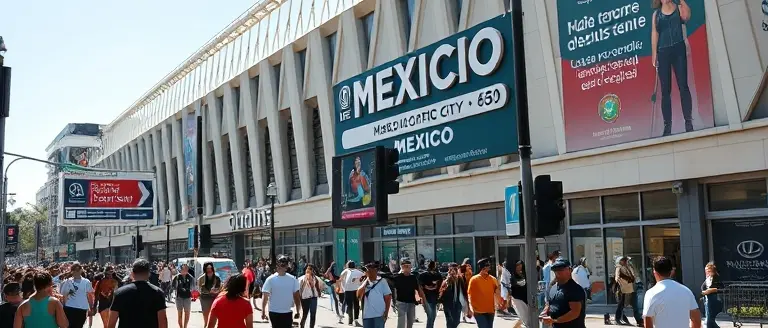
Successfully navigating to the Estadio Ciudad de México during the 2026 FIFA World Cup requires meticulous planning, especially given the intense traffic congestion typical of the area during high-profile matches like Colombia’s group stage fixtures. Evidence suggests that public transit remains the most reliable method for reaching the venue. The local Metro and Metrobús systems are the preferred options for attendees; however, fans should aim to arrive at least three hours before kickoff. When utilizing the Metro, note that station density increases significantly, and security cordons may force longer walking paths from the nearest exits. To avoid the gridlock often reported by organizations like ‘Steer,’ refrain from driving private vehicles, as parking is extremely limited and local street closures are frequently implemented to prioritize pedestrian safety and emergency vehicle access.
Recommended Arrival Strategies
For those choosing ride-share services, avoid requesting drop-offs directly at the stadium’s main perimeter gates, as these zones are strictly regulated. Instead, coordinate your pick-up or drop-off points at least six blocks away in designated commercial zones to circumvent heavy traffic. If you are navigating the city during peak hours, keep the following tactical tips in mind:
- Plan for Gate Access: Ensure you have your digital tickets pre-downloaded to your mobile device, as connectivity near the venue can become sporadic due to massive crowd density.
- Safety Protocols: In response to recent reports of fan volatility and chaotic celebrations, maintain a low profile in crowded transit hubs. Always follow the instructions of the local police presence, which has been significantly bolstered to manage tournament security.
- Off-Peak Transit: Utilize transit apps that provide real-time updates on route blockages. If leaving immediately following a high-stakes match, expect significant delays; consider grabbing a meal or staying in the immediate vicinity for an hour to allow the initial wave of traffic to dissipate.
By prioritizing public infrastructure and securing drop-off points in advance, you can mitigate the logistical complexities surrounding the Estadio Ciudad de México and ensure a safer, more efficient tournament experience.
Safety Protocols and Fan Experience Essentials
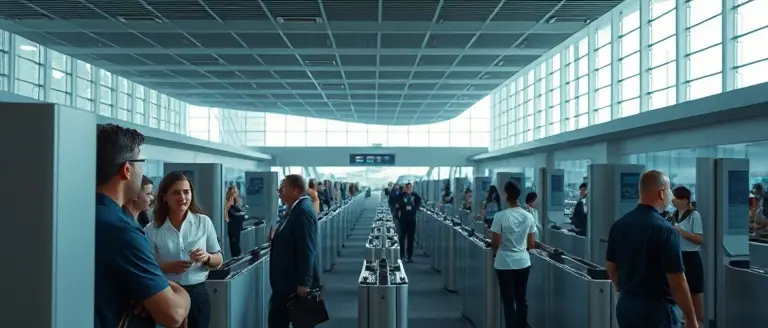
Navigating the Estadio Ciudad de México during the high-stakes environment of the 2026 FIFA World Cup requires careful preparation. Due to reports of volatile fan behavior and chaotic post-match celebrations, stadium organizers have implemented rigorous security measures to ensure participant safety. International visitors should prioritize arriving at least three hours before kickoff. This buffer accounts for extensive perimeter screening, including mandatory pat-downs and biometric verification checkpoints designed to manage the high volume of spectators efficiently. Failure to arrive early may result in missing the initial match coverage, as security bottlenecks have become common during peak tournament hours.
Prohibited Items and Security Procedures
To maintain a secure atmosphere, strict policies are enforced at all entry gates. Security personnel at the Estadio Ciudad de México perform comprehensive bag checks; therefore, it is highly recommended to travel light. Attendees are prohibited from bringing:
- Large backpacks, luggage, or bags exceeding 10×10 inches.
- Professional camera equipment with detachable lenses.
- Glass bottles, metal containers, or any external food and beverage items.
- Pyrotechnics, flares, or any items deemed potential projectiles.
- Electronic devices not specifically cleared for media or stadium operations.
Emergency Preparedness for International Fans
For those traveling from abroad, safety extends beyond the stadium walls. Local authorities and tournament organizers have increased police presence around the venue to manage crowd flow and mitigate potential friction. If you encounter an emergency, remain in high-visibility, well-lit areas and keep your passport or a digital copy of your identification accessible. Ensure you have the local emergency number (911) saved in your mobile device, and monitor the official tournament mobile app for real-time safety alerts regarding transportation routes and gate closures. By strictly adhering to the stadium security protocols and staying aware of your immediate surroundings, you can enjoy the historic atmosphere of the FIFA World Cup while minimizing personal risk.
Post-Match Atmosphere: Best Local Spots Near the Stadium

After the final whistle at the Estadio Ciudad de México, the surrounding area transforms into a vibrant hub of football culture. Navigating the post-match crowd requires a balance between soaking in the celebratory atmosphere and maintaining personal safety. While the area immediately adjacent to the stadium can become congested, moving a few blocks toward established commercial zones offers a more authentic and manageable environment for international fans. Evidence suggests that staying within well-lit, populated corridors is the best strategy to avoid the localized issues sometimes reported during high-stakes tournament matches.
Recommended Areas for Fans
To experience an authentic Mexican celebration, head toward the nearby plazas and local cantinas that cater to football enthusiasts. These venues generally provide a more controlled environment compared to the volatile crowds often found directly at the stadium exits.
- Plaza México Vicinity: Located within walking distance, this area hosts a variety of traditional eateries where you can discuss the Colombia vs. opponents match highlights. It remains a popular gathering spot for locals who prefer a festive yet communal atmosphere.
- Insurgentes Sur Corridor: This main artery offers numerous reputable cafes and bars. Opt for venues that feature outdoor seating or established security staff, as these are better equipped to handle the high influx of fans during the World Cup.
- Local Neighborhood Cafes: For a quieter post-match debrief, look for smaller establishments tucked away in the adjacent residential grids. These often provide a relaxed setting to enjoy local cuisine while avoiding the larger, more unpredictable street crowds.
Regardless of your chosen destination, maintain situational awareness. Given the reports of “chaotic celebrations” in certain sectors, it is highly recommended to rely on pre-booked transportation or identified rideshare zones rather than attempting to hail taxis on the street. By choosing venues with high visibility and established reputations, you can safely enjoy the spirit of the Estadio Ciudad de México match experience while minimizing unnecessary risks. Always keep your belongings secure and monitor local news updates for real-time safety alerts as you navigate the city.
Elevate Your Match Day Performance
Attending a World Cup match at the Estadio Ciudad de México is a pinnacle experience, but the constant roar of the crowd and the overwhelming intensity of the stadium environment can take a significant toll on your sensory health. While you are focused on navigating the stadium and match logistics, don’t overlook the strain that massive crowds and constant crowd-roaring place on your sensory health and focus. Auditory fatigue and mental fog are real, often unexpected consequences that can turn your post-match excitement into a draining, exhaustive experience.
This is where Audifort becomes an indispensable part of your travel kit. Designed as the ultimate ‘Sensory Wellness Essential,’ Audifort helps protect your auditory health and supports essential blood flow, allowing you to bypass the ringing ears and brain fog often associated with extreme-decibel events. By integrating this science-backed support into your stadium routine, you aren’t just watching the game—you are ensuring that your body and mind stay as sharp and energized as the players on the field.
Don’t let the physical intensity of the World Cup leave you drained and distracted. Take control of your stadium experience and stay fully engaged from the opening whistle to the final goal. Your journey is meant to be enjoyed to the fullest, and with the right preparation, you can keep your focus laser-sharp throughout the entire tournament.
 Protect your focus and sensory wellness throughout your World Cup journey with Audifort—your key to staying sharp at every match.Protect My Senses Now!