
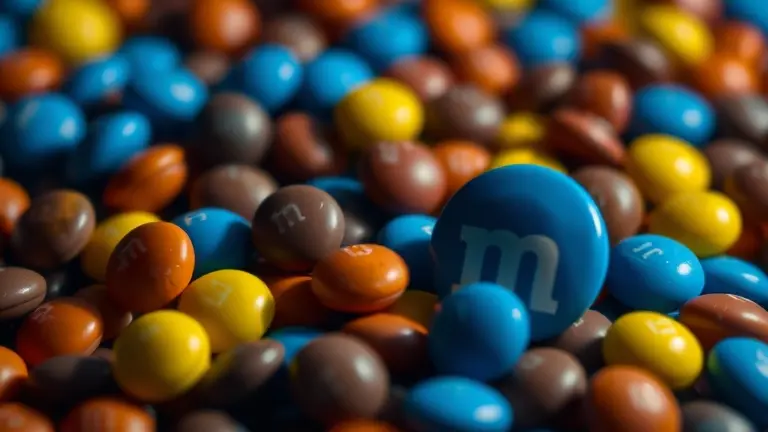
On June 19, 2026, a wave of nostalgia—and confusion—swept across the confectionery world as Mars Wrigley announced the discontinuation of blue and brown M&M’s from their standard lineup. This wasn’t just a marketing whim; it was the culmination of a grueling, multi-million dollar R&D campaign to strip artificial dyes from their iconic candies. While consumers have long championed the ‘clean label’ movement, the science behind food coloring proved unforgiving. Blue and brown pigments, notorious for their chemical stubbornness, simply refused to stabilize when derived from natural sources, forcing the brand to sacrifice these beloved hues to meet the modern demand for natural ingredients.
This corporate pivot highlights a fascinating intersection between our health-conscious appetites and the rigid limitations of food manufacturing. As we peel back the layers of this reformulation, it becomes clear that the candy industry is at a breaking point. For consumers, this shift isn’t just about losing a specific color—it is a stark reminder that our reliance on processed treats is constantly evolving. As you navigate these changing labels, it is time to ask: are you still fueling your body with the consequences of processed sugar, or are you ready to take control of your metabolic health?
The End of an Era: Mars Wrigley Discontinues Blue and Brown M&M’s
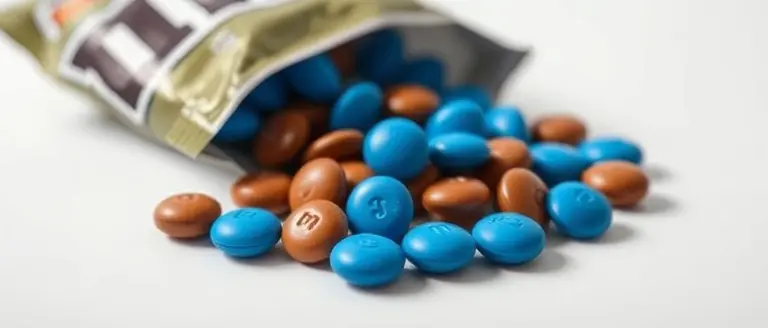
On June 19, 2026, the candy industry faced a seismic shift as Mars Wrigley officially announced the discontinuation of blue and brown M&M’s colors from its standard product lineup. This decision serves as the culmination of a multi-year, high-stakes initiative to purge synthetic food dyes from the company’s iconic portfolio. While consumers have long enjoyed the vibrant, uniform aesthetic of these chocolate-coated candies, the move toward a “natural-dye only” standard has proven to be a technical and financial hurdle that the manufacturer could no longer justify, following millions of dollars spent in unsuccessful research and development (R&D).
The Technical Challenge of Natural Pigments
The elimination of blue and brown stems from the fundamental laws of food chemistry. Unlike reds or yellows, which can be derived from sources like beets, paprika, or turmeric with relative stability, creating vibrant blue and deep brown hues using exclusively natural ingredients is notoriously difficult. Stability issues—such as color fading when exposed to light or reacting to the acidity of the chocolate—made replicating the original M&M’s colors an R&D nightmare.
- Stability Constraints: Natural pigments often degrade rapidly, failing to meet the shelf-life requirements expected of global confectionery brands.
- The “Clean Label” Pivot: By removing these two colors, Mars Wrigley is aligning itself with the growing consumer demand for products free from artificial additives, prioritizing the “clean label” movement over traditional brand aesthetics.
- Financial Impact: The decision highlights the massive corporate investment required to transition away from synthetic chemicals, underscoring why some colors are simply not viable under current natural-dye technologies.
This strategic shift represents a fundamental evolution in brand identity. As the company moves away from the classic, multi-colored aesthetic that defined the brand for decades, it acknowledges that modern market pressures—specifically health-conscious consumer behavior—outweigh the necessity of maintaining a specific color profile. While the loss of blue and brown may trigger nostalgia for many, it signals a definitive commitment by Mars Wrigley to reformulate its supply chain in favor of more sustainable, additive-free ingredients.
Old Mix vs. New Mix: A Comparative Analysis
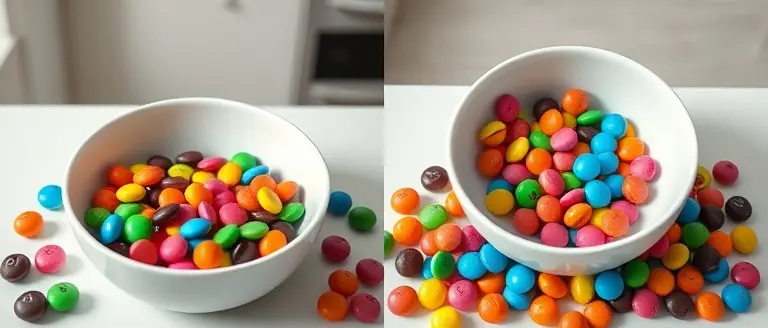
The transition from the traditional lineup to the new, natural-dye-only portfolio represents a significant shift in M&Ms colors and brand aesthetics. For decades, the iconic mix featured a vibrant, saturated palette characterized by deep blues and earthy browns, achieved through high-stability synthetic pigments. In contrast, the updated selection moves toward a muted, softer aesthetic. While the new colors aim to satisfy consumer demand for “clean label” products, the loss of the deep-toned blue and brown creates a noticeable visual gap in the candy bowl. This departure is not merely an aesthetic choice; it highlights the technical limitations of natural pigments, which often struggle to mimic the intensity and shelf-life stability of their chemical counterparts.
Technical Challenges in Color Replication
The primary hurdle in this reformulation is the inherent instability of natural pigments when exposed to heat, light, and the acidic environment of a chocolate shell. Unlike synthetic dyes, which provide consistent, vibrant hues, natural alternatives like anthocyanins or spirulina-based colorings often degrade rapidly.
- Blue Instability: Achieving a stable, vibrant blue without synthetic dyes is the “holy grail” of food chemistry. Natural blue pigments are highly sensitive to pH shifts, causing them to fade or discolor during the manufacturing process.
- Brown Pigmentation: Creating a consistent brown that matches the classic M&M identity requires precise pigment blending, which proved commercially and technically unfeasible according to recent industry reports.
- Saturation Differences: Consumers will notice that the “New Mix” appears less vivid. Natural dyes naturally offer a broader, pastel-leaning spectrum, leading to a flatter visual experience compared to the high-contrast aesthetic of the original variety.
As Mars Wrigley moves forward, the “clean label” movement remains the driving force behind this change. While some shoppers express nostalgia for the classic mix, others prioritize the removal of artificial additives. This compromise reflects the ongoing tension between maintaining iconic brand identity and meeting modern health-conscious consumer expectations regarding food ingredients.
Decoding ‘Natural Dyes’ vs. ‘Dye-Free’
In the wake of the news that Mars Wrigley is discontinuing specific m&ms colors, consumers are increasingly scrutinizing labels to understand exactly what goes into their favorite snacks. A frequent point of confusion among shoppers is the distinction between “dye-free” and the use of “natural dyes.” It is essential to clarify that these reformulated candies are not “dye-free” in the literal sense; rather, they have transitioned from synthetic, petroleum-based colorants to pigments derived from biological sources.
Understanding Natural Pigments
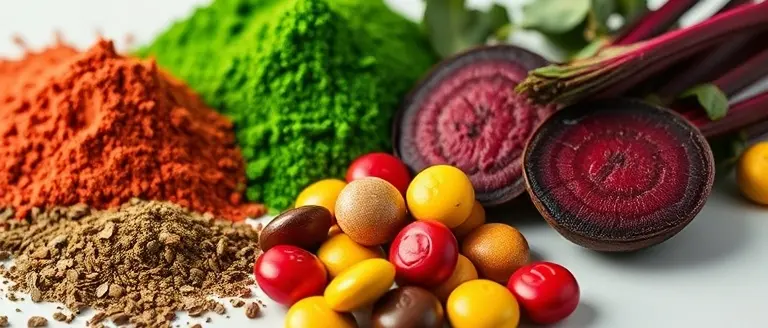
When industry giants like Mars shift toward a “clean label” strategy, they replace artificial additives like Blue 1 or Red 40 with alternatives sourced directly from nature. These natural dyes are extracted from fruits, vegetables, minerals, or edible plants. For example, common industry-standard alternatives include:
- Spirulina extract: Often used to achieve vibrant blue or green shades.
- Beet juice concentrate: Frequently utilized to create deep reds and purples.
- Turmeric: A standard source for bright yellow hues.
- Anthocyanins: Plant pigments harvested from sources like black carrots or grapes.
While these ingredients are perceived as more favorable by health-conscious consumers, they remain “coloring agents” under regulatory definitions. The technical challenge, which led to the recent elimination of blue and brown m&ms colors, lies in the chemical stability of these natural compounds. Unlike synthetic dyes, which are engineered for longevity and heat resistance, natural pigments can degrade rapidly when exposed to the specific processing environments required for candy shells. Consequently, while the clean label movement has successfully removed artificial additives from the portfolio, the resulting product still contains concentrated pigments that must be carefully managed to maintain the iconic appearance of the brand. This shift reflects a complex corporate compromise between meeting consumer demand for cleaner ingredients and overcoming the significant manufacturing limitations inherent in natural food chemistry.
The Candy Industry’s Pivot: Balancing Consumer Health and Manufacturing Reality
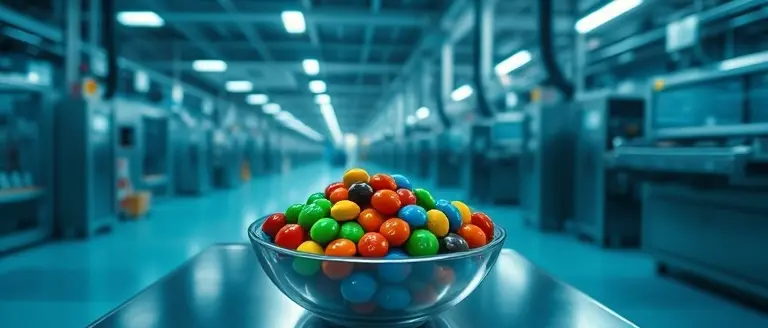
The recent decision by Mars Wrigley to discontinue the iconic blue and brown M&M’s colors marks a significant milestone in the global “clean label” movement. As consumer demand for transparency and the removal of synthetic additives surges, major candy manufacturers are finding themselves in a complex tug-of-war between public health expectations and the rigid limitations of food chemistry. Moving away from artificial dyes is not merely a marketing pivot; it is a massive technical undertaking that requires navigating strict shelf-life stability requirements and the logistical realities of mass-market production.
The Technical Hurdles of Natural Pigments
The failure to replicate specific hues using natural sources highlights why achieving a “clean label” is exceptionally difficult in the confectionery sector. Blue and brown pigments, in particular, are notorious for their instability when exposed to heat, light, and acidic environments. While consumers often assume that “natural” is a simple, plug-and-play substitute for synthetic chemicals, the reality is far more expensive.
- R&D Cost Barriers: Mars Wrigley reportedly spent millions attempting to stabilize these specific colors, proving that even industry giants face significant financial risks when reformulating products.
- Stability Challenges: Natural dyes derived from fruit, vegetable, and mineral sources often fade or shift in color long before a candy reaches its expiration date.
- The “Natural” Misconception: Many consumers wonder if current colors are truly “dye-free.” In practice, most are switching to natural alternatives—such as spirulina for blues or anthocyanins for reds—rather than eliminating pigments entirely.
This transition illustrates the corporate financial implications of prioritizing ingredient transparency. Companies must weigh the high cost of unsuccessful innovation against the potential loss of brand identity. For the average shopper, the removal of these colors serves as a stark reminder that the vibrant, long-lasting appearance of mass-produced candy is a feat of engineering, and stripping away synthetic components fundamentally alters the physics of the product. As the industry evolves, manufacturers will likely continue to struggle with balancing the visual allure of candy with the increasingly loud demand for cleaner ingredient profiles.
Reclaiming Your Health in a Processed World
The disappearance of blue and brown M&M’s is more than a trivial change; it is a signal of a larger cultural shift. As manufacturing evolves to satisfy our demand for ‘cleaner’ ingredients, many of us are realizing that the best approach to handling processed sweets is to prioritize our internal chemistry. While companies struggle to replicate synthetic perfection using natural sources, you have the opportunity to move beyond the cycle of sugary cravings and energy crashes by fortifying your metabolic foundation from within.
While Mars Wrigley adjusts its formulas to meet demands for natural ingredients, many consumers are realizing that the best way to handle their sweet cravings is by taking control of their own metabolic health through natural support. Sugar Defender acts as the perfect partner in this journey, offering a natural, plant-based formula designed to support consistent energy levels and metabolic health. It is not just about avoiding artificial dyes; it is about providing your body with the stability it needs to thrive despite the complexities of the modern, processed food environment.
Choosing to support your metabolism is a proactive step toward the lifestyle you deserve—one free from the energy instability that follows the consumption of high-sugar snacks. Make the decision to prioritize your wellness today and see the difference that a balanced, natural approach can make in your daily performance and long-term vitality.
 Discover how to naturally support your metabolism and energy levels throughout the day with Sugar Defender.Transform My Life Today!