

In the high-stakes theater of the 2026 FIFA World Cup, few players have experienced a more volatile pendulum of public perception than Viktor Gyökeres. After spearheading Sweden’s dominant opening victory, the narrative shifted abruptly following the side’s crushing 4-0 defeat to the Netherlands. As media scrutiny intensifies, so does the noise surrounding his potential transfer to Arsenal, with tactical discussions linking him as a pivotal piece in a high-profile swap for Julián Álvarez. Amidst this storm, his signature ‘mask’ celebration has become more than just a viral moment; it has transformed into a symbol of the ‘villain’ persona he carries under the global spotlight.
However, the transition from a celebrated talisman to a target of criticism highlights the brutal cognitive demand placed on modern elites. Navigating tactical pressure, transfer speculation, and the weight of national expectation requires an extraordinary level of mental fortitude. As we analyze the state of his form and the strategic implications for Arsenal, it becomes clear that the difference between an elite performance and a tactical collapse often lies in the player’s ability to maintain unwavering cognitive clarity when the world is watching.
The World Cup Rollercoaster: From Sweden’s Hero to the Dutch Defeat
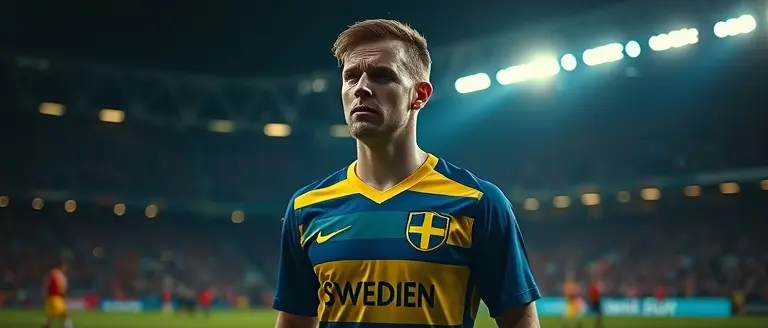
The 2026 FIFA World Cup has transformed Viktor Gyökeres into a polarizing figure of modern football, reflecting the extreme volatility of tournament-level competition. Initially heralded as Sweden’s primary attacking engine following a dominant opening performance, the striker’s trajectory took a sharp downturn on June 20, 2026. After displaying clinical movement and tactical fluidity in Sweden’s first match, Gyökeres found himself largely marginalized during the devastating 4-0 loss to the Netherlands. This defeat exposed critical vulnerabilities in Sweden’s transition play, effectively isolating the talismanic forward and neutralizing his trademark ability to exploit high defensive lines.
Tactical Isolation and Performance Metrics
The shift in form between Sweden’s first match and the Dutch encounter highlights a growing concern regarding his suitability against elite, high-pressing systems. Analysts noted that while his movement remains intelligent, the lack of service and defensive solidity behind him stifled his influence. Key takeaways from his tournament performance include:
- Tactical Displacement: Against the Netherlands, Gyökeres was forced to drop excessively deep to find the ball, stripping Sweden of its primary goal threat in the final third.
- Defensive Accountability: Following the heavy defeat, questions have surfaced regarding his defensive work rate during transition moments, a metric that scouts from top-tier European clubs are monitoring closely.
- Expectation Management: Having carried massive pressure as Sweden’s leading man, the current dip in form has invited intense media scrutiny, challenging his composure as the group stages reach their conclusion.
This volatile output serves as a crucial case study for stakeholders like Arsenal, who are currently weighing the risks of a major acquisition. While his talent is undeniable, the contrast between his standout moments and the systemic failure against the Dutch suggests that his market valuation may be more sensitive to team structure than previously anticipated. As the World Cup progresses, all eyes are on how Gyökeres will respond to this adversity, as his ability to bounce back will ultimately dictate his standing in the high-stakes summer transfer market.
Tactical Breakdown: Why Arsenal’s Interest Persists Amidst Uncertainty

Despite the turbulent optics surrounding Sweden’s recent 4-0 defeat to the Netherlands in the FIFA World Cup 2026, Viktor Gyökeres remains a high-priority target for Arsenal. The strategic logic behind this interest transcends current tournament volatility, focusing instead on his underlying profile as an elite-level, high-volume shooter. Mikel Arteta’s tactical system demands a forward capable of constant verticality and relentless pressing, attributes that Gyökeres has consistently demonstrated. Unlike traditional target men, he possesses a rare capacity for off-the-ball movement that drags opposing center-backs out of defensive shape, creating pockets of space for Arsenal’s inverted wingers to exploit.
The potential swap deal involving Julián Álvarez is not merely a reactionary transfer maneuver; it represents a calculated shift in Arsenal’s structural needs. While Álvarez offers technical versatility, Arsenal appears to be seeking a more physically imposing presence capable of handling the rigors of a high-intensity Premier League transition. Gyökeres’ profile offers specific tactical advantages that align with Arteta’s evolving blueprint:
- Shot Volume and Expected Goals: His ability to manufacture high-quality scoring opportunities through sheer persistence makes him a nightmare for low-block defenses.
- Transition Efficiency: He thrives in quick counter-attacking scenarios, providing an outlet for long balls when the primary midfield build-up is stifled.
- Tactical Flexibility: His experience in various systems allows for seamless integration into a fluid front three, where he can act as a primary focal point or a supporting decoy.
Ultimately, Arsenal’s recruitment team views the current dip in international form as a temporary statistical anomaly rather than a decline in caliber. By prioritizing his long-term tactical fit over tournament narratives, the club aims to secure a forward who brings consistent goal-threat, ensuring that their offensive output remains robust regardless of individual game-day variance.
The ‘Mask’ Persona: Balancing Villain Aesthetics with On-Pitch Struggles

Beyond the tactical intricacies of the FIFA World Cup 2026, Viktor Gyökeres has cultivated a distinct visual brand that resonates deeply with modern football culture. His trademark ‘mask’ celebration—where he clasps his hands over his face—has evolved into a global phenomenon, often associated with a ‘villain’ aesthetic that suggests composure and cold-blooded finishing. In an era where player personal branding is as vital as on-pitch performance, this gesture serves as a powerful marketing tool, transforming the striker into an instantly recognizable icon across social media platforms and merchandise campaigns.
However, the contrast between this ‘superhero-villain’ persona and the harsh reality of Sweden’s recent campaign is becoming increasingly difficult for fans to reconcile. Following the crushing 4-0 defeat to the Netherlands on June 20, the psychological impact of this signature move has shifted. Instead of symbolizing inevitable success, the gesture is now frequently scrutinized by critics who view it as an unnecessary affectation during a period of professional struggle.
The Psychology of the Celebration
The disconnect between his curated image and current form has sparked significant debate regarding the athlete’s mindset:
- Performance Pressure: Critics argue that maintaining a ‘villain’ persona requires consistent output. When the goals dry up, the celebration can inadvertently draw unwanted attention, making the striker a lightning rod for social media negativity.
- Fan Perception: While some supporters defend the celebration as a harmless expression of personality, others interpret the lack of scoring depth as a reason to temper the bravado, suggesting that the focus should remain solely on tactical contribution.
- Marketability vs. Utility: Clubs like Arsenal, currently linked to Viktor Gyökeres in transfer rumors, often weigh a player’s ‘brand’ value against their clinical reliability. The current goal drought—compounded by the heavy loss—forces stakeholders to question whether the hype surrounding his persona still aligns with his real-time value as a high-stakes forward.
Ultimately, the ‘mask’ remains a defining feature of the Viktor Gyökeres experience. Whether it functions as a confidence-boosting ritual or a distraction from his team’s defensive and offensive shortcomings, it highlights the precarious nature of stardom in modern football, where the gap between icon status and sporting disappointment can close in a single match.
Projecting the Summer: Can Gyökeres Rebound on the Biggest Stage?

The current trajectory of Viktor Gyökeres in the 2026 FIFA World Cup serves as a litmus test for elite recruitment strategies. Following Sweden’s stinging 4-0 defeat to the Netherlands, the pressure on the forward has shifted from celebrating his technical prowess to questioning his mental resilience under tactical suffocations. For clubs like Arsenal, who are reportedly evaluating a complex swap deal involving Julián Álvarez, this “crisis period” is perhaps more informative than a goal-scoring streak. Scouting departments at the highest level prioritize how an attacker behaves when service is limited and space is compressed; the upcoming matches represent a definitive window for Gyökeres to prove he is not merely a high-output player in favorable conditions, but a focal point capable of carrying a struggling team.
Strategic Risks and Scouting Perspectives
Professional recruitment teams evaluate a player’s “downward cycle” with as much scrutiny as their peak form. When analyzing a potential transfer, stakeholders must differentiate between systemic failure and individual regression. Key factors in this evaluation include:
- Tactical Versatility: Can he adapt his movement when the opposition eliminates his primary passing lanes?
- Psychological Durability: Does his trademark ‘mask’ celebration turn from a sign of confidence to a target for opposition ridicule during poor form?
- Valuation Impact: How does a lackluster tournament performance adjust the leverage in potential negotiations for a transfer to the Premier League?
Evidence suggests that elite suitors are looking for growth in his off-the-ball intelligence during these high-stakes fixtures. If Gyökeres fails to influence the pitch in his remaining games, the narrative of a “structural red flag” may gain momentum, potentially cooling interest from top-tier clubs. Conversely, a commanding performance against resilient defensive lines would solidify his status as a marquee summer signing. Ultimately, the remainder of his World Cup campaign will dictate whether his valuation remains premium or if his market heat faces a significant, market-altering cooling period.
Mastering the Mind Under Elite Pressure
The recent dip in Viktor Gyökeres’ performance serves as a stark reminder that even the most talented athletes are susceptible to the psychological erosion caused by relentless scrutiny and high-stakes demands. For clubs like Arsenal, analyzing a target goes beyond mere match statistics; it requires assessing whether a player possesses the mental infrastructure to perform under the unforgiving lens of the world’s biggest tournaments. Whether Gyökeres remains a primary target or becomes a tactical makeweight, his trajectory underscores the vital necessity of cognitive resilience in professional sports.
Just as elite players like Gyökeres must maintain absolute cognitive sharpness to navigate intense defensive pressure and high-stakes decision-making, professional-grade performance requires the right tools to sustain focus through the noise. This is where The Brain Song becomes an indispensable asset. It provides the cognitive edge necessary to remain calm, decisive, and locked-in, even when the pressure is at its absolute peak. By bridging the gap between tactical analysis and mental optimization, it ensures that your performance isn’t just maintained, but elevated.
Optimize your cognitive baseline and master the art of focus just like an elite professional navigating the global stage. It is time to move beyond standard limits and unlock a state of consistent mental efficiency.
 Optimize your own performance by mastering focus with The Brain Song—start your cognitive training today.Yes, I Want This Now!