
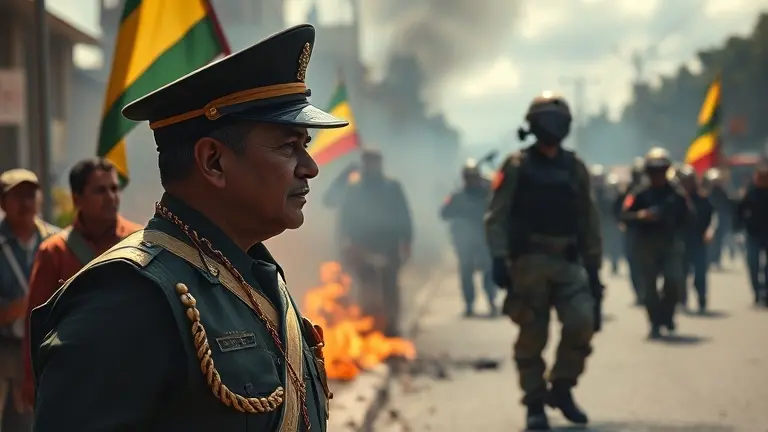
On June 20, 2026, the fragile stability of the Andean region fractured as Bolivian President Rodrigo Paz declared a nationwide state of emergency. This drastic measure follows 50 days of relentless anti-government protests, where road blockades and deepening political divisions have effectively throttled the nation’s supply chain. With the military now authorized to intervene, the country stands at a perilous crossroads between the administration’s drive for order and a fragmented yet defiant coalition of labor unions.
Beyond the high-stakes political maneuvering, the true crisis is unfolding in the daily lives of millions facing severe fuel shortages and soaring food costs. As the nation grapples with this humanitarian and economic pressure, understanding the roots of this unrest—and the personal toll of systemic instability—is more critical than ever. This analysis explores the escalation of the last 50 days and the precarious future facing the Bolivian population.
Bolivia Declares State of Emergency Amidst 50-Day Protest Crisis
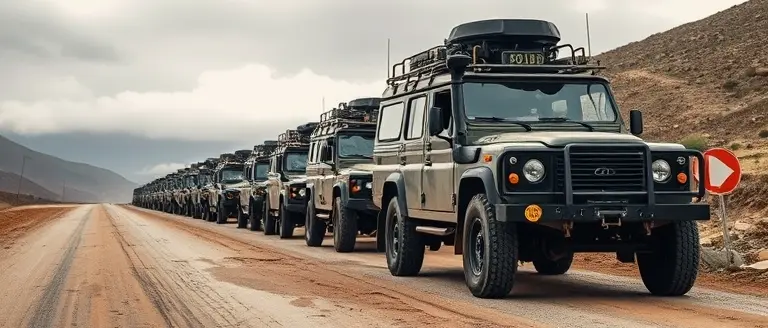
On June 20, 2026, the president of Bolivia, Rodrigo Paz, officially declared a nationwide state of emergency in a decisive move to address the mounting instability gripping the country. This executive action follows a grueling 50-day period of intense anti-government demonstrations that have brought major infrastructure to a standstill. The primary objective of this decree is to restore order and secure the nation’s critical supply chains, which have been severely hampered by widespread road blockades. These obstructions have led to critical shortages of food and fuel, forcing the administration to authorize the deployment of the military to forcibly clear routes and ensure the movement of essential goods.
Escalation of the Economic Crisis
The current unrest is rooted in deepening economic grievances that have eroded public support for the Paz administration. Protesters have cited soaring living costs and the inability to access basic resources as the primary catalysts for their sustained opposition. While the government reached a preliminary agreement with the Bolivian Workers’ Confederation (COB) on Friday, the situation remains fluid. Reports indicate that internal divisions within the protest movement have resulted in splinter groups continuing their activities, effectively undermining the labor union’s ability to call off the mobilizations.
The government’s decision to involve the armed forces highlights a critical turning point in the executive strategy:
- Supply Chain Restoration: The military’s primary mandate is the systematic clearing of key transit corridors to prevent further humanitarian decline.
- Fragmented Opposition: Authorities are navigating a complex landscape where central union leadership struggles to control localized protest factions.
- Economic Vulnerability: The administration justifies the state of emergency as a necessary measure to stabilize a national economy under extreme duress.
By moving beyond negotiation toward state intervention, the president of Bolivia is attempting to reassert central authority. Analysts note that while this strategy may provide immediate relief to blocked logistical channels, the long-term geopolitical and social consequences of deploying the military against domestic protesters remain a significant point of concern for regional observers.
Economic Drivers: Living Costs and Supply Chain Paralysis
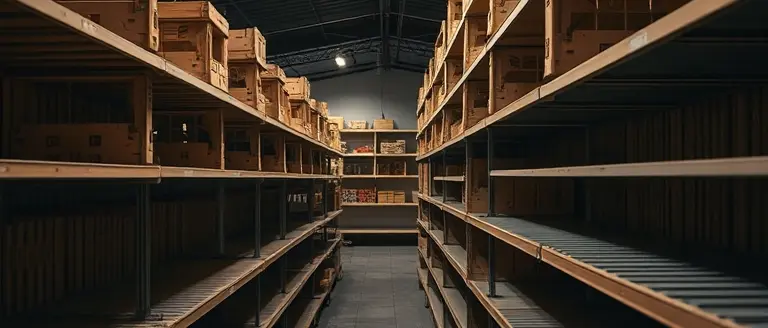
The current political crisis involving the president of Bolivia is rooted in a severe economic deterioration that has persisted for nearly two months. At the heart of the unrest are skyrocketing inflation rates that have rendered basic necessities increasingly unaffordable for the average citizen. As global fuel prices fluctuate and local currency challenges persist, the cost of living in Bolivia has reached a breaking point, forcing labor unions and local communities into prolonged protest actions. These grievances are not merely political; they represent a fundamental struggle for daily survival as food security diminishes under the weight of market volatility.
The Anatomy of Supply Chain Paralysis
The 50-day series of road blockades has effectively crippled the nation’s distribution infrastructure, creating an acute supply chain impact that transcends regional borders. Because Bolivia relies heavily on land transport for both internal food distribution and the importation of refined fuels, the tactical placement of these blockades has severed critical arteries of commerce. The consequences of this paralysis are visible across the country:
- Fuel Scarcity: Limited access to main transport corridors has prevented gasoline and diesel from reaching filling stations, causing public transport to grind to a halt.
- Food Insecurity: Perishable goods are rotting in transport trucks stranded at barricades, leading to drastic price hikes for staples like bread, rice, and vegetables in urban markets.
- Logistical Bottlenecks: The inability to move goods has forced domestic businesses to suspend operations, leading to widespread job insecurity and reduced industrial output.
Evidence suggests that the current state of emergency is a direct response to this systemic collapse. While the administration seeks to restore order through military intervention, the underlying economic drivers remain unresolved. Without a stable supply chain, the humanitarian situation continues to deteriorate, placing immense pressure on both the government and the populace to find a sustainable resolution to these mounting economic hardships.
Mapping the Blockades: Key Areas of Impact

The current 50-day blockade crisis has strategically crippled Bolivia’s internal supply chains, effectively isolating major urban centers from essential agricultural and fuel-producing hubs. The protest movement, which spans key departments including Cochabamba, Santa Cruz, and La Paz, has utilized geographic chokepoints to exert maximum economic pressure on the administration of the president of Bolivia. By cutting off the primary arterial highways—specifically those connecting the resource-rich eastern lowlands to the more densely populated Andean highlands—protesters have effectively throttled the movement of food, livestock, and imported fuel.
Strategic Infrastructure at Risk
The impact of these closures is profound, as Bolivia relies heavily on road freight for both domestic distribution and international trade. The following areas have become the focal points of the current tension:
- The Cochabamba Corridor: Often referred to as the “hub” of the nation, the blockades here have successfully halted east-west traffic, preventing fuel tankers from reaching the central plateau.
- Santa Cruz Gateways: As the nation’s agricultural engine, the disruption of transport routes here has led to significant post-harvest losses and skyrocketing food costs in metropolitan areas.
- The Altiplano Routes: Disruptions here have constrained the flow of imported goods, leading to chronic shortages of daily necessities in the capital.
While major labor unions like the COB (Bolivian Workers’ Confederation) have been central to organizing these demonstrations, recent reports indicate increasing internal fragmentation. Evidence suggests that while some union factions are negotiating, decentralized “splinter groups” continue to maintain hardline positions at critical junctions. This lack of centralized control complicates the president of Bolivia’s mandate to clear the roads, as regional groups often operate independently of national union directives. This volatility continues to define the nation’s fragile stability as the military begins its mandated response to reopen vital transit arteries.
Humanitarian Consequences for the Population

The ongoing 50-day blockade crisis has inflicted severe humanitarian hardship on the Bolivian population, transcending mere political disagreement to threaten basic survival. As the President of Bolivia, Rodrigo Paz, maneuvers to address the gridlock through a state of emergency, the civilian impact continues to escalate. The systematic paralysis of major transportation arteries has severed supply chains, leading to acute shortages of food, medicine, and fuel. Families across the nation are struggling to secure daily necessities, as rising inflation and disrupted logistics make even basic staples increasingly unaffordable or entirely unavailable.
Impact on Essential Services and Public Health
The most critical concern remains the degradation of public health and safety. With roadways blocked, the delivery of medical supplies and the ability for citizens to reach hospitals have been severely compromised. Reports indicate that ambulances and emergency vehicles have faced significant delays at protest sites, placing vulnerable patients at extreme risk.
Key humanitarian challenges currently affecting the populace include:
- Restricted Healthcare Access: Critical surgeries and routine treatments are being deferred due to a lack of specialized medical equipment and medicine shipments being trapped in transit.
- Food Security and Pricing: The scarcity of fresh produce and essential grains has triggered a surge in market prices, disproportionately affecting low-income households.
- Energy Instability: Fuel shortages are hindering public transportation and private mobility, further isolating rural communities and straining urban workforces.
- Educational Interruptions: Many schools have been forced to suspend in-person learning, adding long-term social stress to families already dealing with economic instability.
While the government seeks to restore order, the humanitarian reality remains precarious. International observers emphasize that the socio-economic burden on the average citizen is reaching a breaking point, necessitated by the intersection of systemic economic grievances and the recent military-backed intervention to clear transit routes.
Securing Your Personal Resilience Amidst Global Unrest
The unfolding crisis in Bolivia serves as a stark reminder of how fragile our daily stability truly is when supply chains are severed and economic systems falter. While the political resolution remains uncertain, the impact on individual well-being—from food insecurity to heightened physiological stress—is an immediate reality for those caught in the turmoil. During times of national scarcity and volatile living conditions, the ability to maintain internal metabolic and energetic consistency becomes a vital tool for navigating uncertainty.
In periods of intense external chaos, protecting your physical health is not merely a luxury; it is a fundamental pillar of personal preparedness. Sugar Defender offers a strategic approach to metabolic health, providing support for consistent energy levels and cognitive clarity even when nutritional resources are constrained. By prioritizing your bodily resilience, you maintain the focus and stamina necessary to adapt to an ever-changing economic landscape.
 See how to maintain your physical resilience and metabolic health despite today’s volatile economic environment.Secure My Metabolic Health Now