
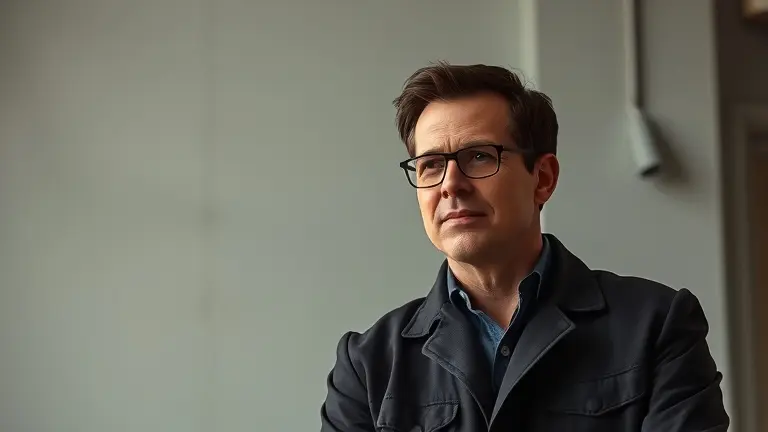
When television personality Carson Daly recently suggested to his son, Jackson, that pursuing a career as an electrician might be more valuable than chasing a traditional four-year college degree, it ignited a nationwide conversation. This wasn’t just another celebrity soundbite; it struck at the heart of the modern American parenting dilemma. In a 2026 economic landscape where student debt is often at odds with job market reality, Daly’s pivot toward vocational training mirrors a growing movement of families prioritizing tangible, high-demand skills over academic theory.
This shift isn’t merely about skepticism toward higher education—it is a pragmatic realization that skilled trades offer a robust, inflation-proof path to financial stability. As we navigate an era where automation and AI-driven disruption are reshaping the corporate world, the demand for hands-on expertise in electrical work, plumbing, and carpentry has never been higher. By championing vocational success, Daly has highlighted a refreshing truth: the future of work belongs to those who can build, repair, and innovate with their own two hands.
Carson Daly in the Spotlight: June 2026 Trends Explained

In June 2026, Carson Daly found himself at the center of two distinct media narratives that highlight the diverse reach of his public persona. While both stories have driven significant search traffic, they address entirely different audience interests: one focusing on the evolving landscape of vocational education and the other on millennial pop culture nostalgia.
The Shift Toward Vocational Careers
The most significant trend involves Carson Daly’s recent advice to his son, Jackson, regarding his future career path. By openly suggesting that Jackson pursue a career as an electrician rather than prioritizing a traditional four-year college degree, Daly touched a nerve in the current American workforce conversation. This sentiment reflects a broader, growing skepticism toward the mounting debt associated with university education and a renewed appreciation for skilled trades. As the economy shifts, parents are increasingly looking for pragmatic, high-demand career pathways. Key drivers of this discussion include:
- Economic Viability: Skilled trade roles often offer competitive starting salaries without the burden of student loan debt.
- Changing Parental Attitudes: Influential figures like Daly are normalizing vocational paths, signaling that success is no longer synonymous solely with a bachelor’s degree.
- Gen Z Career Planning: Young people are actively weighing the ROI of specialized certifications against general academic pursuits.
Pop Culture Nostalgia: The Mýa Retrospective
In a separate news cycle, the resurfacing of a 2003 MTV birthday special clip featuring singer Mýa has captured the attention of millennial audiences. The viral resurgence of this performance serves as a reminder of Daly’s foundational role in early 2000s media. Unlike his modern commentary on parenting and tech, this trend is purely rooted in entertainment history. These two narratives demonstrate that while Carson Daly remains relevant in modern discussions about lifestyle and career planning, he also retains a significant footprint in the collective memory of pop culture fans. Understanding this divide is essential for discerning which aspect of his current prominence is driving engagement at any given moment.
The Blue-Collar Pivot: Why Carson Daly is Championing Vocational Trades
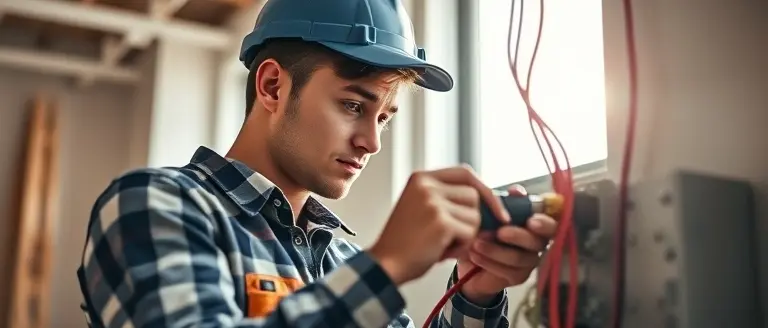
The recent public discourse sparked by Carson Daly regarding his son’s career path marks a significant cultural shift in how American families view the “college-first” mentality. By openly advising his son, Jackson, to explore a career as an electrician rather than defaulting to a four-year university program, Daly has tapped into a growing movement that prioritizes financial pragmatism over traditional prestige. This pivot reflects a broader recognition that the landscape of vocational trade jobs is changing rapidly, offering high demand and substantial earning potential without the crippling burden of student loan debt. As household names like Daly move away from the academic-only paradigm, they provide a new level of social validation for parents and students considering technical pathways.
The Economic Case for Vocational Careers
The economic realities of the 2026 labor market strongly support this shift in perspective. As the cost of higher education continues to climb, many families are scrutinizing the return on investment for traditional degrees. In contrast, skilled trades provide a direct pipeline to a stable, well-compensated career. Key advantages of this trajectory include:
- Financial Efficiency: Trade schools and apprenticeships often require significantly less time and money to complete compared to traditional undergraduate programs, allowing workers to enter the workforce years earlier.
- High Demand: Industries such as electrical work, HVAC, and plumbing are currently experiencing a labor shortage, ensuring high job security and significant leverage for employees in salary negotiations.
- Protection Against AI: Unlike some white-collar roles facing disruption from emerging technologies, skilled manual trades rely on physical dexterity and on-site problem-solving, providing a buffer against automation.
Daly’s commentary serves as a critical case study for modern parenting, where success is increasingly defined by the ability to identify high-growth sectors rather than adhering to rigid, outdated milestones. By championing the dignity and value of skilled labor, public figures are helping to destigmatize vocational tracks, ultimately empowering the next generation to pursue financially stable and personally rewarding careers in the skilled trades.
Parenting in the Age of AI: Insights from the Modern Media Landscape

As technology continues to reshape household dynamics, television personality Carson Daly has become a prominent voice in the national conversation regarding the integration of generative AI into family life. Modern parents are increasingly turning to sophisticated algorithms to navigate the complexities of child-rearing, ranging from schedule optimization to managing educational milestones. The trend reflects a broader shift toward data-driven parenting, where tech-savvy caregivers utilize AI tools to reduce the mental load associated with daily logistics.
Practical Applications of AI in Household Management
Many families are discovering that AI serves as a valuable assistant for tasks that previously consumed hours of planning. According to recent media discussions, parents are adopting specific strategies to streamline their routines:
- Educational Support: Utilizing AI-powered platforms to generate personalized study plans or explain complex STEM concepts to students.
- Meal Planning and Nutrition: Automating grocery lists and dietary scheduling based on specific family preferences or allergy restrictions.
- Chore Delegation: Using interactive interfaces to track household contributions and gamify responsibility for children.
- Behavioral Guidance: Consulting language models to draft scripts for navigating difficult conversations or discipline scenarios with developing children.
Ethical Considerations and the Human Element
While the convenience offered by these tools is significant, Carson Daly and other experts underscore the necessity of maintaining human oversight. Relying solely on technology for decision-making risks stripping the nuance, empathy, and intuitive judgment essential to healthy development. AI should function as a supplementary resource rather than a replacement for parental connection. As these tools evolve, parents must prioritize data privacy and remain vigilant about the potential for algorithmic bias. The goal for the modern family is to harness the efficiency of AI technology to clear space for what truly matters: authentic, high-quality interaction between parents and their children.
Pop Culture Flashback: Revisiting the 2003 Mýa and Daly Moment

The resurgence of the 2003 MTV birthday special featuring Carson Daly and R&B star Mýa serves as a fascinating case study in how digital media fuels modern nostalgia cycles. Recently, Mýa recounted the viral moment where she performed a dance for the then-ubiquitous TRL host, an interaction that left audiences stunned at the time and has since re-entered the cultural zeitgeist. For many, this flashback acts as a bridge between the early 2000s music scene and the current media landscape, highlighting a shift in how legacy entertainment moments are repackaged for today’s algorithmic feeds.
The Role of Nostalgia in Digital Media
In the current digital ecosystem, platforms like TikTok and Instagram Reels have accelerated the “nostalgia cycle,” turning decades-old television segments into viral gold. When celebrities like Mýa reflect on these moments, they satisfy a growing appetite among Gen Z and Millennial viewers for authentic, unpolished pop culture history. Several factors contribute to why this 2003 moment has gained such significant traction:
- Short-Form Content Curation: Platforms favor high-energy, brief snippets that can be easily shared, making retro MTV clips prime candidates for virality.
- Celebrity Commentary: When stars provide retrospective context, it adds depth to otherwise fleeting television moments, encouraging audiences to re-engage with the content.
- The “Retro” Aesthetic: There is a persistent cultural trend toward reclaiming the fashion, music, and media sensibilities of the early 2000s, which positions figures like Carson Daly as central pillars of that era.
As digital archives become more accessible, we can expect to see more of these “lost” moments resurfacing. While this specific interaction between Mýa and Daly remains a lighthearted piece of pop culture trivia, its return to the headlines demonstrates the enduring power of televised media to maintain relevance long after the original broadcast date has passed.
The Path to Mastery Starts Today
The conversation sparked by Carson Daly proves that the prestige once reserved for four-year degrees is rapidly shifting toward skilled trades. Whether you are a parent guiding a teenager or an individual looking to pivot your own career, the economic potential of vocational work has moved from a secondary option to a premier choice. Mastery in craftsmanship is not just a job; it is a sustainable, scalable livelihood that offers both independence and a significant return on investment.
If you are inspired by this trend and want to see if a career in craftsmanship is the right path for you, there is no better way to test your aptitude than by starting a hands-on project with professional-grade guidance. Consider this your invitation to move beyond the theory and into the workshop.
Our recommended resource acts as the ultimate apprenticeship-in-a-box, providing the technical certainty you need to turn a new interest in trade skills into a productive, tangible result. It is the perfect bridge for those ready to leave the uncertainty of the job market behind and embrace the precision of professional woodworking.
 Ready to turn your interest in craftsmanship into a finished build? Access 16,000 professional workshop plans and start mastering your trade today.Transform My Life Today