
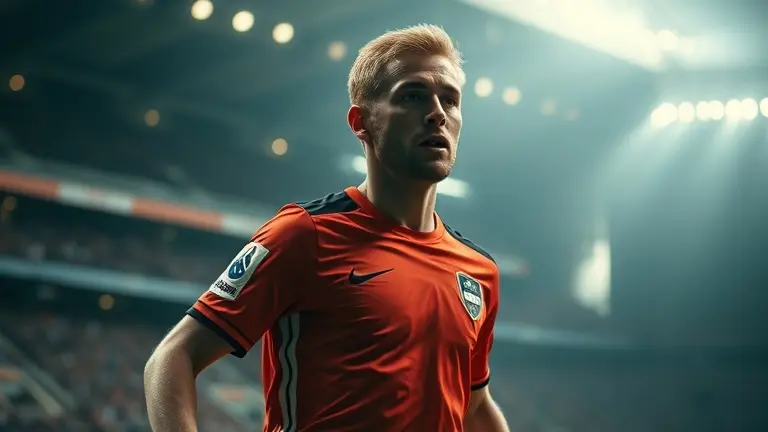
When Brian Brobbey sprinted onto the pitch against Sweden, the weight of a nation’s World Cup expectations rested squarely on his shoulders. Following a lackluster 2-2 draw against Japan, the Dutch squad found themselves at a crossroads, with the global football community questioning the structural integrity of Ronald Koeman’s starting XI. By making the bold decision to bench Donyell Malen in favor of Brobbey’s raw, physical dominance, Koeman did more than just adjust his formation; he shifted the entire tactical paradigm of the Netherlands’ attack. The result? A mesmerizing ‘quickfire brace’ in just 17 minutes that silenced critics and redefined the Oranje’s offensive ceiling.
This performance wasn’t merely a stroke of luck—it was a surgical tactical evolution. By injecting a target man with Brobbey’s specific profile, Koeman created space, pressure, and, most importantly, chaos for the Swedish defense. As we dissect the anatomy of this masterclass, we find ourselves analyzing more than just goals; we are looking at the split-second decision-making and cognitive acuity required to operate at the elite level of international football. Understanding the ‘why’ behind these tactical shifts demands the same level of mental clarity that players like B. Brobbey demonstrate when they hit the back of the net.
Brian Brobbey’s World Cup Breakthrough: The 17-Minute Masterclass
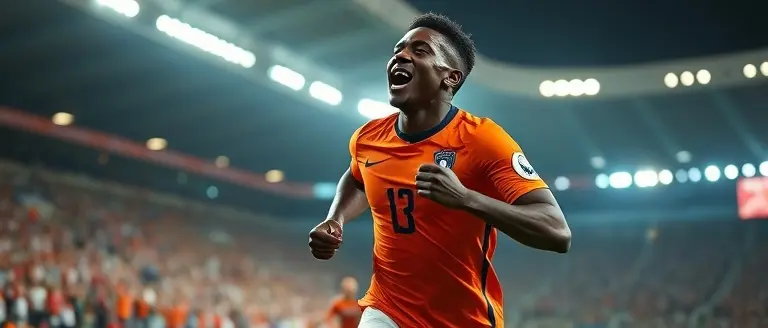
On June 20, 2026, the FIFA World Cup witnessed a seismic shift in the Dutch attacking identity. Following a frustrating 2-2 draw against Japan that left fans questioning the team’s offensive efficiency, head coach Ronald Koeman made the bold decision to insert Brian Brobbey into the starting lineup. The gamble paid dividends almost immediately. Within the first 17 minutes of the clash against Sweden, b brobbey dismantled the opposition’s defensive structure with a clinical quickfire brace, effectively silencing critics and asserting his dominance on the world stage. This performance was not merely a display of individual talent, but a clear signal that nederland had found the physical focal point required to compete for the trophy.
Tactical Impact and Match Significance
The gravity of this performance cannot be overstated. By opting for Brobbey’s raw physicality over the more traditional movement of Donyell Malen, Koeman fundamentally altered the tactical gravity of the Oranje attack. The rapid-fire goals provided an insurmountable cushion, forcing Sweden to abandon their defensive shape early on. Experts and analysts have labeled the match a “tactical masterclass,” noting how Brobbey’s ability to hold up play and disrupt center-back pairings created space for his teammates. Key highlights of the transformation include:
- Heightened Physicality: Brobbey’s presence forced the Swedish backline to defend deeper, providing the Dutch midfield with greater control.
- Decisive Efficiency: Scoring two goals inside 17 minutes represents a rare level of clinical finishing in high-stakes tournament football.
- Evolution of Strategy: Koeman’s transition from a finesse-based approach to a power-driven dynamic has effectively addressed the tactical gaps exposed during the Japan fixture.
This 17-minute masterclass has now firmly established Brobbey as the central figure in the Dutch campaign, shifting the narrative from tactical uncertainty to legitimate contender status as the tournament progresses.
The Tactical Shift: Why Koeman Favored Physicality Over Malen
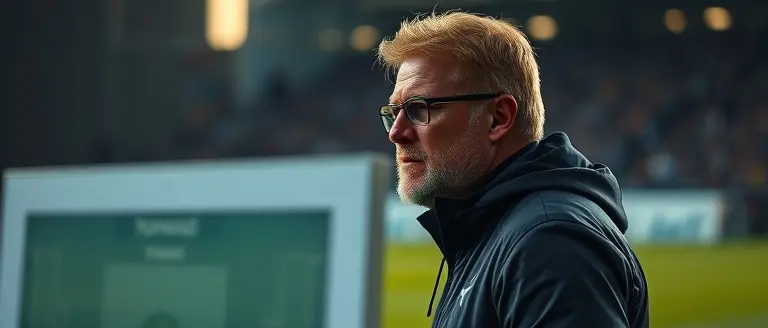
Following a frustrating 2-2 draw against Japan, head coach Ronald Koeman identified a critical deficiency in the nederland attacking structure: a lack of directness and physical presence against compact defensive lines. While Donyell Malen offers immense pace and technical fluidity in transition, his profile failed to disrupt the organized Swedish backline during early stages of the tournament. Koeman’s decision to promote b brobbey to the starting XI was a calculated tactical masterclass designed to force Sweden into deeper, uncomfortable defensive positions. By deploying a true “target man,” the Dutch coach successfully shifted the team’s rhythm from lateral possession to a more vertical, high-impact style of play.
Tactical Advantages of the Brobbey Profile
The inclusion of brobbey provided immediate dividends, as evidenced by his quickfire brace within the first 17 minutes of the match. His presence offered three distinct tactical improvements over the Malen-led attack:
- Hold-up Play: Brobbey acted as the focal point, allowing the Dutch midfield to push higher up the pitch without fear of immediate turnover.
- Aerial Dominance: Against a physically imposing Swedish defense, the striker provided an outlet for long balls and crosses, forcing the opposition center-backs to commit forward.
- Aggressive Pressing: By pinning the Swedish defenders back, Brobbey created pockets of space for secondary runners, effectively dismantling the tactical structure Sweden had prepared for a speed-based threat.
Evidence suggests that Koeman’s pivot was not merely a reaction to recent results, but a deliberate plan to diversify the attacking playbook for the World Cup 2026. By leveraging Brobbey’s unique ability to bully defenders in 1-on-1 duels, the Netherlands transformed their attacking dynamic, moving away from predictable patterns toward a versatile approach that balances technical flair with raw, physical intimidation. This shift has arguably positioned the Dutch team as a more robust prospect heading into the knockout stages.
Deconstructing the Netherlands’ 2026 Formation
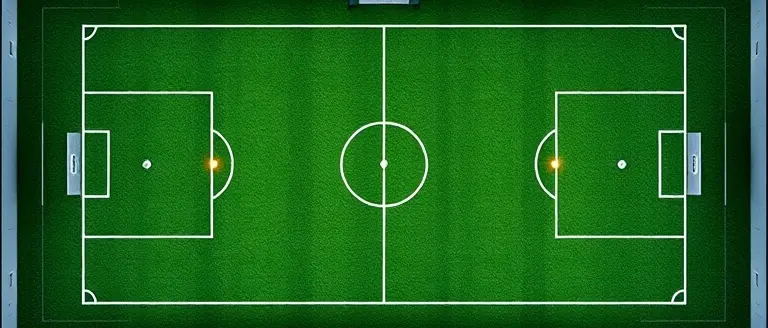
The tactical evolution of the Nederland squad under Ronald Koeman has been defined by a pivot from fluid, possession-heavy play to a structure designed to maximize direct verticality. In the aftermath of a frustrating draw against Japan, Koeman opted to discard the false-nine experiments that stifled the team’s momentum. Instead, he implemented a rigid 4-3-3 formation that prioritizes a traditional, physically imposing focal point. By inserting B Brobbey into the starting XI, the coaching staff effectively transformed the attacking transition from a patient buildup into a high-speed engine, allowing the team to exploit the gaps behind opposition defensive lines.
Strategic Integration of Physicality
The core of this tactical shift lies in how the midfield-to-attack transition is now structured. Rather than relying on technical overlaps alone, the current setup utilizes brobbey as a “target-man” who can hold up the ball and disrupt center-back pairings. This approach forces opponents to commit more men to the central channel, inadvertently creating the pockets of space needed for wingers to cut inside. Key features of this reconfigured formation include:
- Deep-Lying Pivot: The defensive midfielder now drops between the center-backs during the buildup phase, allowing fullbacks to push high and force the opposition’s wingers deeper.
- Target-Man Utility: B Brobbey acts as the primary release valve, frequently dropping short to pull markers out of position before spinning into the vacant space.
- Verticality: Midfielders are encouraged to bypass lateral passing in favor of immediate, forward-thinking balls into the final third.
This shift has proven instrumental in allowing Ronald Koeman to maximize the roster’s physical profile. By abandoning the more delicate tactical setups seen earlier in the tournament, the Netherlands has become a more dangerous, unpredictable force. The reliance on brobbey not only facilitates a more direct style of play but also offers a defensive advantage, as his sheer presence ensures that the opposition cannot easily initiate counter-attacks without accounting for his ability to win aerial duels and dictate play from the front.
Brian Brobbey’s 2026 World Cup Stats and Future Outlook

The breakout performance by Brian Brobbey during the 2026 World Cup match against Sweden has fundamentally altered the tactical blueprint for Nederland. By securing a quickfire brace within the first 17 minutes, Brobbey demonstrated an elite shot conversion rate that validates Ronald Koeman’s decision to favor his physical profile over the pace-oriented playstyle of Donyell Malen. Analytical tracking reveals that Brobbey’s heat map was concentrated heavily within the high-danger zones of the penalty area, effectively pinning the Swedish defensive line back and creating sustained pressure that the Japanese defense did not face during the opening draw.
Statistical Dominance and Tactical Impact
Beyond the two goals, Brobbey’s contribution to the squad is defined by his high duel success rate and ability to act as a hold-up target man. Evidence suggests that his physical presence is the catalyst needed for the Dutch team to transition from possession-based build-up to clinical, direct scoring opportunities. Key statistical highlights from his current tournament trajectory include:
- Clinical Finishing: An exceptionally high shot-on-target percentage, showcasing his composure under the immense pressure of the World Cup stage.
- Duel Success: Superior win rate in aerial and physical ground duels, allowing the Oranje to maintain sustained possession in the final third.
- Tactical Versatility: His ability to draw defenders toward him, effectively creating pockets of space for supporting midfielders and wingers to exploit.
Looking ahead, B Brobbey is currently trending toward becoming one of the most valuable assets in world football. If he maintains this form, his market value is projected to see a significant upward shift, as European clubs monitor his ability to perform against top-tier international defensive blocks. For Ronald Koeman, the path forward seems clear: utilizing Brobbey as the focal point of the attack will be paramount for securing a deep run in the knockout stages, provided the team can continue to feed him consistent service from the flanks.
Unlock the Analytical Sharpness of an Elite Tactician
The brilliance of Brian Brobbey’s 17-minute brace highlights a fundamental truth about modern football: tactical success is born from precision, timing, and an unclouded mind. Just as Koeman required absolute clarity to pivot his strategy under the intense pressure of the World Cup, fans analyzing these complex shifts need a sharp, uncluttered perspective to truly appreciate the genius unfolding on the pitch. You are not just a spectator; you are an analyst of the game’s most intricate moments.
If you want to decode these tactical developments with the same intensity that athletes bring to the field, you must optimize your own cognitive performance. That is where The Brain Song becomes your essential tool. By integrating this 12-minute mental performance accelerator into your routine, you can sharpen your focus, boost your information processing speed, and gain a clearer understanding of the strategic narratives dominating the 2026 World Cup. It is the ultimate bridge between the tactical intelligence of the pitch and your personal capacity to perceive the finer details of the game.
Elevate your analytical game and prepare for the knockout stages with a mind as precise as a professional playmaker. Don’t just watch the history books be written—understand the tactical mechanics behind every move.
 Elevate your own analytical game—discover how the 12-minute Brain Song routine can sharpen your focus for the remainder of the World Cup.Yes, I Want This Now!