

The hardwood tension between the Indiana Fever and the Atlanta Dream reached a fever pitch this week, culminating in a high-stakes rematch that followed a breathtaking 108-101 shootout. While casual fans were busy scouring the web for a fever game today broadcast link, the true story of this rivalry was written in the tactical adjustments and rebounding battles that unfolded on the court. Moving past the initial fever vs dream hype, the data from this back-to-back series tells a compelling tale of resilience versus dominance that every serious observer must decode.
Analyzing the performance of stars like Caitlin Clark and Angel Reese requires more than a passing glance at the box score. To grasp the implications of these games, one must dissect the defensive rotations and the efficiency metrics that decided the outcome. As the intensity of the WNBA season continues to climb, the ability to process these complex player stats distinguishes the casual viewer from the true analyst. This article pivots from the basic “where to watch” search intent to provide a deep-dive breakdown of the strategic battles that are currently defining the league.
Fever vs. Dream: Recapping the High-Stakes June 20 Rematch
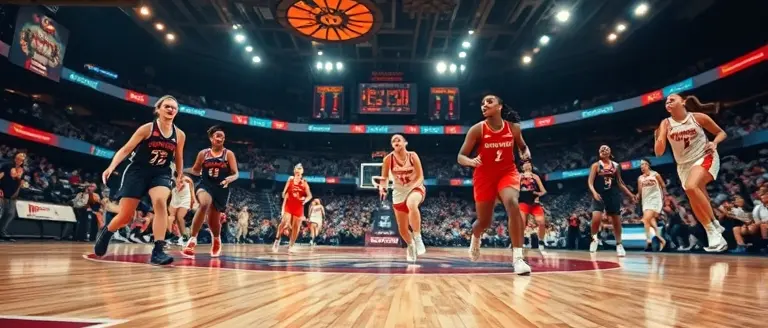
The June 20, 2026, showdown between the Indiana Fever and the Atlanta Dream served as a definitive litmus test for both rosters following their high-octane meeting just two days prior. After the Atlanta Dream secured a thrilling 108-101 victory on June 18, the rematch was framed as an essential opportunity for Indiana to correct defensive lapses and stabilize their momentum. This back-to-back series has quickly become the most scrutinized stretch of the season, largely fueled by the persistent national discourse surrounding Caitlin Clark and Angel Reese. Fans searching for the fever game today results have been met with a narrative of extreme offensive volatility and mounting pressure as both teams fight for position in the crowded WNBA standings.
Tactical Adjustments and Rivalry Dynamics
The intensity observed in this matchup stems from more than just divisional proximity; it reflects a clash of modern basketball styles. While the June 18 contest devolved into a track meet, the June 20 rematch forced both coaching staffs to implement more conservative defensive schemes. Analysts focusing on Caitlin Clark vs Angel Reese stats noted that the primary challenge for the Fever remained containing Atlanta’s transition efficiency. Key takeaways from this high-stakes series include:
- Defensive Rebounding: The Fever’s ability to limit second-chance points was the deciding factor in their pursuit of a split.
- Star Efficiency: Both franchises relied heavily on their marquee talents to shoulder the offensive load, often forcing double-teams that tested secondary rotation players.
- Officiating and Tempo: The rapid turnaround forced a more disciplined approach to foul management, as high-scoring games often leave little room for error at the charity stripe.
For spectators wondering where to watch Indiana Fever vs Atlanta Dream highlights, the consensus is clear: this series has elevated the profile of both teams. The competitive friction between these rosters suggests that any future meetings will carry significant weight in the race for playoff seeding. As the dust settles on this intense June period, the primary story remains the evolution of these young cores under the immense pressure of a high-profile rivalry.
Caitlin Clark vs. Angel Reese: Head-to-Head Performance Breakdown

The June 20 rematch between the Indiana Fever and the Atlanta Dream served as the ultimate stage for the ongoing professional rivalry between Caitlin Clark and Angel Reese. While the June 18 fever game showcased high-octane offensive output, the subsequent matchup forced both stars to refine their tactical approaches. Analyzing the Caitlin Clark vs. Angel Reese stats from this back-to-back series reveals distinct shifts in playmaking efficiency and defensive burden. Clark, tasked with navigating tighter perimeter coverage, demonstrated improved decision-making under pressure, prioritizing high-percentage ball distribution over contested deep-range attempts. Conversely, Reese leveraged her interior presence to anchor the Dream’s paint defense, consistently challenging Indiana’s shot selection and forcing the Fever to adjust their rim-attack strategy.
Tactical Impact and Rebounding Efficiency
The competitive dynamics of the series highlight the evolving roles these two players hold within their respective schemes. Observations from the June 20 clash indicate that the difference in game outcomes often hinged on rebounding and secondary assist opportunities.
- Rebounding Dominance: Angel Reese’s ability to control the glass remained a consistent factor, neutralizing second-chance points for the Fever and providing the Dream with extra possessions in high-leverage moments.
- Playmaking Versatility: Caitlin Clark adapted by utilizing pick-and-roll sets to bypass heavy defensive pressure, effectively increasing her assist-to-turnover ratio compared to the previous meeting.
- Defensive Adjustments: Both athletes faced increased scrutiny from opposing benches, leading to more complex defensive double-teams that tested their basketball IQ and patience.
This rivalry is not merely a clash of individual talent but a central pillar driving the intensity of the fever vs dream series. As both teams look toward the remainder of the season, the efficiency metrics established in this home-and-away stretch will likely dictate how opponents scout these key players moving forward. Whether fans were watching the fever game today or reviewing post-game analytics, it is clear that the interplay between Clark’s floor vision and Reese’s physicality is the defining narrative of their current head-to-head history.
Indiana Fever: Analyzing the Need for Defensive Rebounding

The Indiana Fever faced significant tactical hurdles during their back-to-back series against the Atlanta Dream on June 18 and June 20, 2026. A recurring theme across these high-scoring matchups was the Fever’s struggle to secure the defensive glass. By allowing second-chance opportunities, the Fever effectively neutralized their own offensive momentum, frequently finding themselves trailing in transition as the Dream capitalized on long rebounds. Analyzing the fever game film reveals that the frontcourt rotation often collapsed toward the rim too early, leaving shooters open on the perimeter or failing to box out aggressive Atlanta forwards.
To bridge the gap in future contests, the coaching staff must prioritize defensive structural adjustments. The defensive efficiency rating suffered significantly when the Fever failed to crash the boards as a unit. Key tactical changes should include:
Strategic Defensive Adjustments
- Box-Out Discipline: Shifting from “ball-watching” to physical engagement with designated rebounders immediately following an opponent’s shot attempt.
- Transition Containment: Limiting the Atlanta Dream speed by deploying a “two-back” strategy that prioritizes floor balance over crashing the offensive glass, effectively preventing the high-scoring fast breaks that plagued the June 18 loss.
- Pick-and-Roll Coverage: Implementing a more aggressive hedge or drop coverage on Angel Reese to force the ball out of her hands, thereby preventing the high-percentage looks that led to the 108-101 deficit.
While individual performances like those of Caitlin Clark remain the team’s primary engine, basketball is won in the trenches. If the Fever cannot improve their rebounding margin, even elite playmaking will be insufficient to overcome these defensive deficiencies. Addressing these lapses is the critical path for the Indiana organization to transform from a high-scoring offense into a complete, championship-caliber contender.
Atlanta Dream’s Dominance: The Strategy Behind the Victory

The Atlanta Dream displayed a masterclass in tactical execution during their recent back-to-back series against the Indiana Fever, securing a decisive edge that culminated in their 108-101 victory on June 18 and sustained pressure through the June 20 rematch. A primary factor in their success was a high-tempo offensive scheme designed to exploit transition vulnerabilities in the Indiana defense. By prioritizing quick ball movement and consistent off-ball screens, Atlanta effectively neutralized the perimeter containment usually provided by the Fever, forcing Indiana’s interior defenders to rotate out of position frequently.
Tactical Exploits and Defensive Adjustments
The Atlanta Dream utilized specific set plays that emphasized spacing, forcing the Fever to spread their defensive assets thin. Evidence suggests that the Dream’s coaching staff targeted the gaps between Indiana’s help-side defenders, allowing for high-percentage looks near the restricted area. Key tactical advantages included:
- Pace Control: Dictating the tempo of the fever game to prevent Indiana from establishing a set half-court defense.
- Pick-and-Roll Efficiency: Consistently running actions that put Indiana’s guards in difficult screening situations, clearing paths for drive-and-kick opportunities.
- Defensive Rebounding: Limiting second-chance points by securing the defensive glass, which kept Caitlin Clark and the Indiana offense from finding a rhythm.
The physical intensity brought by the Dream, particularly in the interior, proved difficult for the Fever to replicate. As fans look back at the Caitlin Clark vs Angel Reese stats across these contests, it becomes clear that Atlanta’s ability to force difficult shots while maintaining offensive efficiency was the defining narrative. While the fever game today has concluded, the tactical blueprint established by Atlanta remains a critical case study in how to pressure a high-powered offense by prioritizing disciplined ball movement and aggressive, intentional spacing. These adjustments successfully stifled the Fever’s ability to mount a sustained comeback, marking a significant hurdle for Indiana as they refine their defensive identity for the remainder of the season.
Mastering the Analytics of the Game
The intensity of the latest Fever vs. Dream series reveals more than just a win-loss record; it highlights the razor-thin margins that define modern professional basketball. Whether it is Caitlin Clark adjusting to defensive pressure or the Atlanta Dream executing high-octane offensive sequences, the depth of strategy involved is immense. To truly appreciate these performances, fans must move beyond surface-level narratives and dive into the efficiency metrics that explain why the game unfolded the way it did.
Just as these elite athletes require split-second cognitive processing to adjust their play on the court, you need a sharp, focused mind to synthesize these complex statistics. If you find yourself struggling to track defensive shifts or key player efficiency ratings, you are missing the most rewarding part of the experience. This is where The Brain Song becomes your ultimate advantage. As an intellectual accelerator designed for those who demand peak cognitive endurance, it empowers you to process intricate data with newfound clarity.
By sharpening your focus, you can elevate your basketball IQ, transforming how you interpret every possession and coaching decision. Don’t just watch the next big game—comprehend it on a professional level. Take the leap and sharpen your basketball IQ and elevate your post-game analysis today with The Brain Song.
 Sharpen your basketball IQ and elevate your post-game analysis today with The Brain Song.Yes, I Want This Now!