
On Sunday, June 21, 2026, the Northern Hemisphere will experience the astronomical peak of the year: the Summer Solstice. As the Earth tilts at its maximum angle toward the sun, we are gifted with the longest day of sunlight, a celestial milestone that has captivated cultures for millennia. Beyond the science of the ‘sun standing still,’ this date represents a unique opportunity to pause, reflect, and realign with the rhythm of the seasons. It is more than just a calendar marker; it is the official kickoff to a season defined by outdoor living, extended evenings, and a collective surge of energy.
But what will you do with those extra hours of golden light? While many will spend the day simply tracking the sunset, you have the chance to transform this fleeting moment into a lasting upgrade for your home. As the landscape reaches its peak vitality, there is no better time to stop observing the season from your window and start crafting a personal sanctuary that allows you to live in it. The energy of the solstice is the perfect catalyst for turning your outdoor space into a professional-grade retreat that you can enjoy long after the sun sets on the year’s longest day.
What Is the Summer Solstice 2026? Understanding the Science Behind the Longest Day
The Summer Solstice 2026 represents a pivotal moment in our solar calendar, occurring on Sunday, June 21, 2026. Derived from the Latin term solstitium—which translates to “sun stands still”—this phenomenon occurs because the sun appears to reach its highest point in the sky and pauses before shifting its path. From an astronomical perspective, this event is not merely a date on the calendar but a direct result of our planet’s physical orientation in space.
The Mechanics of the Tilt
The primary driver behind this longest day of the year is the Earth’s axial tilt. Our planet rotates on an axis tilted at approximately 23.5 degrees relative to its orbit around the sun. During the June solstice, the Northern Hemisphere is tilted at its maximum inclination toward the sun. Consequently, the sun’s rays strike the Tropic of Cancer directly, providing more hours of daylight to those living in the Northern Hemisphere.
Key scientific aspects of the event include:
- Maximum Daylight: Locations further north experience significantly longer durations of sunlight, while those near the Arctic Circle witness the “midnight sun.”
- Solar Positioning: The sun reaches its northernmost declination, making it the peak of the solar year for the northern half of the globe.
- Astronomical vs. Meteorological: While the astronomical solstice marks the official start of summer, meteorological summer is defined by consistent temperature patterns, usually beginning earlier on June 1st.
This distinction is vital for researchers and outdoor enthusiasts alike. While the solstice is a precise, instantaneous orbital point, the seasonal weather impacts—such as the high heat and humidity levels often tracked by local news—are trailing effects of the increased solar radiation. Understanding these mechanics helps clarify why, even though June 21st offers the most sunlight, the hottest temperatures of the year usually arrive in July or August due to the thermal inertia of our atmosphere and oceans.
Solstice 2026: Sunlight Duration and Regional Weather Impacts
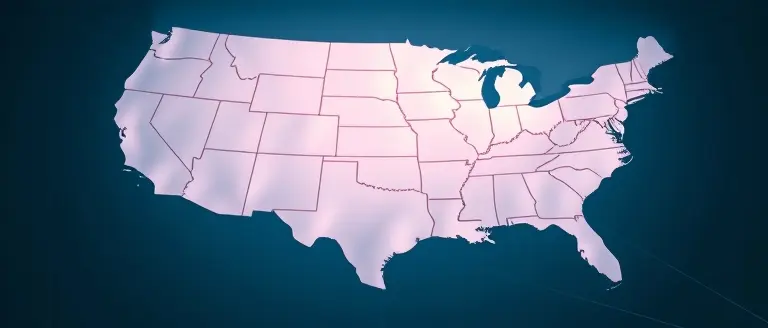
The summer solstice 2026, occurring on Sunday, June 21, marks the astronomical peak of sunlight for the Northern Hemisphere. Because the Earth is tilted at an approximate 23.5-degree angle toward the sun during this time, the amount of daylight experienced varies significantly depending on your specific latitude. In northern US regions, such as Seattle or Maine, residents can anticipate upwards of 16 hours of daylight. Conversely, cities in the southern tier, such as Miami or San Antonio, will experience a shorter duration of direct sunlight, though these regions often see more intense thermal radiation due to their proximity to the equator.
Understanding Your Local Daylight Exposure
To determine the precise sunlight duration for your specific location, you can utilize online astronomical tools that calculate civil twilight and solar noon based on your zip code. Generally, the further north you are located within the United States, the more pronounced the “longest day” effect becomes.
Consider the following factors when planning your solstice activities:
- Latitudinal Variance: Northern latitudes benefit from slower sunsets, providing longer “golden hour” windows for outdoor photography and recreation.
- Regional Heat Forecasts: The solstice 2026 officially triggers the meteorological start of summer, often coinciding with rising heat indices. Early-season heatwaves can be deceptive; stay hydrated and monitor local weather alerts, as surface temperatures often peak in the weeks following the solstice.
- Safety Protocols: With maximum solar exposure, applying broad-spectrum sunscreen and wearing UV-protective clothing is essential, particularly during the high-noon hours when the sun reaches its highest point in the sky.
As the season shifts, urban centers often experience the “urban heat island” effect, where accumulated solar energy is trapped by concrete and asphalt. Staying informed on regional weather trends allows you to balance the joy of extended daylight with the practical necessities of summer heat safety.
Cultural Traditions and Astrological Significance of the Summer Solstice
The solstice 2026 represents far more than a mere astronomical shift; it acts as a global touchstone for human history, renewal, and spiritual alignment. For millennia, civilizations have observed the summer solstice—the year’s longest day—as a pivotal moment of abundance and peak solar power. From the ancient stone alignments at Stonehenge, designed to track the sun’s precise position, to modern-day midsummer festivals across Scandinavia and the United Kingdom, the event is historically linked to themes of fertility, the ripening of crops, and the triumph of light over darkness. These cultural traditions often center on outdoor gatherings, bonfires, and communal feasting, reflecting a deep-seated instinct to honor the earth’s natural cycles.
The Astrological Lens of 2026
In contemporary discourse, the summer solstice has seen a surge in interest through the lens of astrology. As the sun enters the sign of Cancer, many practitioners view this transition as a profound invitation for emotional reflection and domestic harmony. The astrological chart for the solstice 2026 is particularly significant, as it suggests a period of heightened intuitive clarity and a shift toward nurturing personal growth. Enthusiasts often utilize this date to set intentions, aligning their personal goals with the solar cycle’s peak energy.
- Spiritual Reflection: Many use this period to evaluate progress made since the winter solstice, focusing on goals that have come to fruition.
- Community Connection: Local festivals and gatherings continue to play a vital role in modern society, providing a structured way to celebrate the peak of summer.
- Wellness Integration: Modern wellness trends increasingly focus on the “longest day” as an ideal time for outdoor mindfulness, yoga, and grounding practices that leverage the high volume of natural daylight.
Whether approached through ancient historical traditions or the modern astrological framework, this seasonal milestone remains a powerful focal point for collective human experience, encouraging us to pause, reflect, and celebrate the radiant energy of the natural world.
Staying Safe and Healthy: Your 2026 Summer Planning Guide

The arrival of the solstice 2026 on June 21 serves as more than just an astronomical milestone; it is the perfect “reset” point to audit your seasonal health and wellness routines. As the Northern Hemisphere experiences its longest day of the year, the intense solar exposure and rising temperatures demand a proactive approach to safety. Whether you are planning outdoor activities or simply soaking in the extended daylight, transitioning into the summer months requires a disciplined strategy to manage the physiological impacts of increased UV radiation and heat.
Essential Strategies for Summer Resilience
To thrive during the peak of summer, experts recommend implementing a structured wellness plan that prioritizes environmental adaptation and physical safety. Consider these actionable steps as you move through the season:
- Prioritize Sun Protection: UV index levels typically peak near the summer solstice. Ensure you are applying a broad-spectrum SPF 30 or higher every two hours, especially if you are engaging in outdoor fitness or regional celebrations.
- Strategic Hydration: As your activity levels increase with the daylight, do not wait until you feel thirsty to drink water. Incorporate electrolyte-rich fluids if you plan on being active during the hottest parts of the day.
- Heat Acclimatization: If you are planning to travel or participate in outdoor events, gradually increase your exposure to the heat to allow your body to adapt. Avoid peak sun hours—typically between 10 a.m. and 4 p.m.—to reduce the risk of heat exhaustion.
- Mindful Activity Planning: Use the extra daylight to shift your workout schedule to the cooler morning or late evening hours, ensuring you maintain your fitness goals without compromising your cardiovascular health.
By viewing the solstice 2026 as a functional marker, you can better prepare for the seasonal shifts ahead. Taking these preventative measures now will help ensure that you remain energized and healthy throughout the remainder of the summer, allowing you to maximize the long-daylight season safely and effectively.
Build Your Dream Escape Before Summer Fades
The Summer Solstice isn’t just an astronomical curiosity; it is a signal that your outdoor season has officially arrived. With the sun staying out longer than any other day of the year, it is the perfect time to stop dreaming about your backyard upgrade and actually start building it. Instead of letting these precious, long evenings slip away, you can use the extra daylight to create a lasting backyard oasis that adds real value and comfort to your home.
DIY woodworking is the ultimate summer project accelerator, allowing you to bypass the frustration of complex planning and amateur guesswork. Whether you are envisioning a new pergola for shade, a custom deck for hosting, or durable garden furniture, our comprehensive collection provides the precision and guidance you need to turn inspiration into reality. By utilizing these professional blueprints, you can move from planning to execution with confidence, ensuring your outdoor renovations are completed before the season fades.
Make this solstice the turning point for your home and lifestyle. By bridging the gap between seasonal awareness and tangible action, you are setting the stage for a summer defined by creativity and outdoor enjoyment. Don’t let another year pass wishing your yard looked better—take charge of the season today and start building the retreat you deserve.
 Check out these 16,000 professional blueprints to start your ultimate solstice-inspired backyard transformation today.Yes, I Want to Build My Dream Backyard Now!