
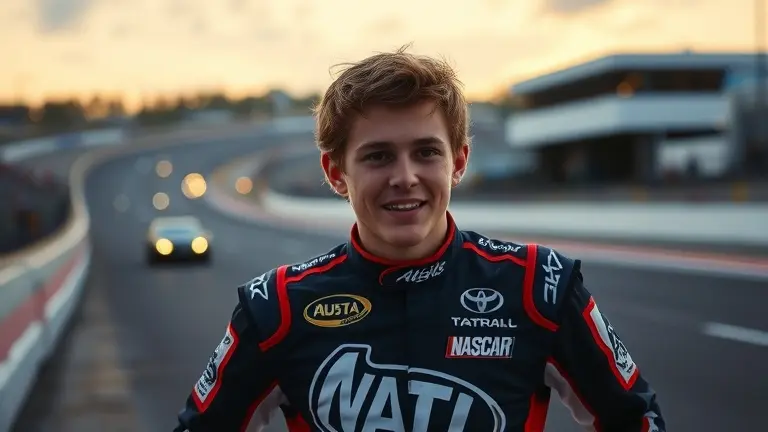
The 2026 NASCAR Cup Series has pushed drivers to their absolute limits, but nothing compares to the tactical intensity surrounding the upcoming ‘Anduril 250’ at the Naval Base Coronado street course. As the grid prepares to navigate this high-stakes military-base circuit, all eyes are on Ryan Blaney. Following his viral, headline-grabbing ‘Dumb & Dumber’ interaction with Chase Elliott, Blaney enters San Diego with the weight of expectation on his shoulders. The Coronado layout is no standard oval; it is a claustrophobic, unforgiving maze of concrete and sharp geometry that demands surgical precision from every driver on the track.
Beyond the viral social media clips, the real story of this race weekend lies in the engineering. Racing on active military infrastructure requires a logistical and technical symphony that standard speedways simply don’t demand. For fans watching Blaney and his peers attempt to master these tight corners, the event serves as a masterclass in risk management and technical accuracy. To succeed here, drivers cannot rely on gut instinct alone—they need a blueprint for survival, where every inch of clearance represents the difference between a podium finish and a catastrophic collision.
Ryan Blaney at Naval Base Coronado: The Road to the 2026 Anduril 250
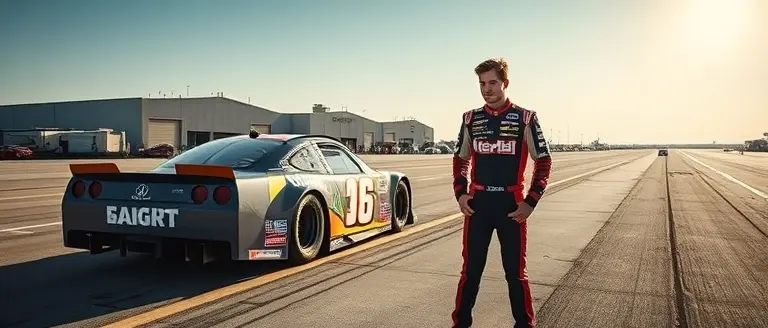
The NASCAR Cup Series heads into uncharted territory this weekend, June 20-21, 2026, as the circuit descends upon Naval Base Coronado in San Diego, California. For Ryan Blaney, the transition from traditional ovals to this high-stakes street course represents one of the most technical challenges of his career. As the grid prepares for the inaugural Anduril 250, drivers are facing a unique layout that blends the precision of road-course racing with the confined, unforgiving nature of a military installation. The operational shift required to transform this active naval facility into a world-class race track has generated significant buzz, positioning the event as a pivotal highlight in the 2026 calendar.
Navigating the Coronado Circuit
Blaney has spent weeks in the simulator adjusting his approach to the Coronado layout, which demands extreme focus on braking zones and curb management. The technical challenges inherent to this street circuit include:
- Tight Corner Sequences: The temporary layout forces drivers to navigate narrow chicanes that punish even the slightest miscalculation.
- Surface Variance: Unlike purpose-built tracks, the base circuit features transitions in asphalt quality that require precise suspension tuning.
- Operational Constraints: Racing on a military base adds logistical layers, from restricted sightlines to strict track-limits enforced by the proximity to active naval assets.
Beyond the technical requirements, the weekend has been defined by high-energy interactions among the drivers. The recent viral “Dumb & Dumber” moment involving Ryan Blaney and Chase Elliott has provided a lighter side to the competitive intensity, showcasing the camaraderie—and occasional mischief—that occurs behind the scenes. As anticipation for the Anduril 250 reaches a fever pitch, all eyes remain on whether Blaney can leverage his adaptability to secure a top-tier finish on this historic, non-traditional circuit.
Decoding the ‘Dumb & Dumber’ Incident: Blaney and Elliott Go Viral
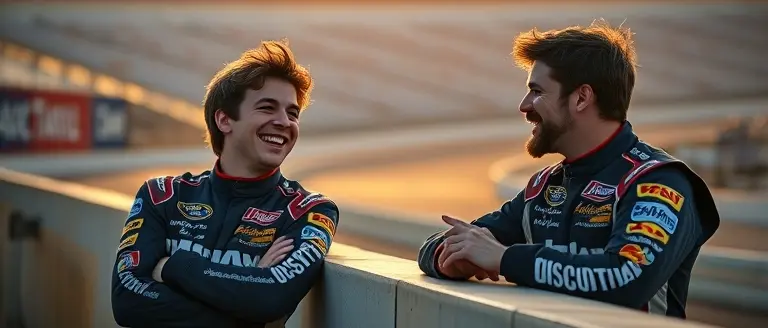
The high-stakes environment of the Naval Base Coronado street course has proven to be as much a test of patience as it is a test of driving skill. During the lead-up to the Anduril 250, a lighthearted yet highly publicized interaction between Ryan Blaney and Chase Elliott captured the attention of the NASCAR fanbase, quickly earning the moniker the “Dumb & Dumber” moment. While navigating the narrow, technical layout of the military base circuit, the two drivers engaged in a series of unconventional maneuvers during practice that left fans and commentators alike questioning their tactical approach to the unfamiliar track.
The Dynamics Behind the Viral Moment
The incident stemmed from a shared struggle to find rhythm on the tight, concrete-lined corners of the Coronado layout. As both Ryan Blaney and Elliott pushed their cars to the limit, their synchronized, albeit clumsy, navigation of a specific chicane resulted in a viral clip that dominated social media feeds. Rather than a sign of competitive friction, analysts view this as a testament to the intense camaraderie—and the mutual frustration—experienced by drivers forced to adapt to a non-traditional circuit overnight.
- Camaraderie Under Pressure: The incident underscores the unique bonds formed when drivers face the shared adversity of a challenging new track.
- Adaptation Struggles: The street-course novelty requires a complete shift in driving style, often leading to uncharacteristic mistakes even from top-tier athletes.
- Fan Engagement: The “Dumb & Dumber” narrative has provided a humanizing element to the NASCAR Cup Series, proving that even during high-pressure race weekends, personality and humor remain core components of the sport’s appeal.
Ultimately, this viral exchange has done more than just provide comedic relief; it has highlighted the extreme precision required for the Anduril 250. As the field continues to tackle the logistics of the Naval Base installation, the ability to maintain composure—and perhaps share a laugh—might just be the defining factor in who secures the checkered flag this weekend.
Technical Challenges of the Coronado Circuit
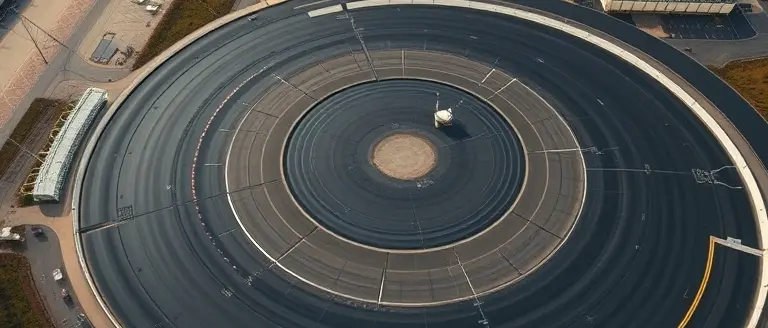
The Anduril 250 at Naval Base Coronado introduces a radical shift in physics and strategy for the NASCAR Cup Series. Unlike the high-banked ovals that define the standard schedule, this military base street course forces drivers like Ryan Blaney to abandon traditional drafting techniques in favor of precision road-course handling. The circuit’s layout, characterized by tight, technical turns and unforgiving concrete barriers, demands a lower ride height and aggressive braking zones that test the mechanical limits of the Next Gen car. Furthermore, the surface conditions are far from uniform; the presence of vintage tarmac and military-grade paving creates inconsistent grip levels, causing the car to “chatter” through high-compression corners that lack the banking found at traditional circuits.
Navigating the Military Base Layout
The unique constraints of a working military installation present logistical and physical hurdles rarely seen in professional racing. Drivers must contend with narrow corridors that limit passing opportunities, putting a premium on qualifying position and fuel-saving strategies. For a veteran driver such as Ryan Blaney, the primary technical difficulty lies in the following areas:
- Surface Irregularities: The transition between different types of base paving creates unpredictable handling characteristics, often forcing the rear end to lose traction unexpectedly.
- Restricted Run-off Areas: With minimal shoulder space, any minor error in steering input results in immediate contact with the perimeter fencing, punishing over-aggressive maneuvers.
- Braking Thermal Load: The stop-and-go nature of the layout places immense thermal stress on the braking systems, requiring teams to fine-tune cooling ducts to avoid fade during the final stage.
These factors combined require a significant departure from standard oval-racing setups. The technical demands of Coronado emphasize vehicle agility and driver reaction time, making the adaptation process a deciding factor for who claims victory in this unique NASCAR event.
Race Day Strategy: How Blaney Adapts to the Unexpected
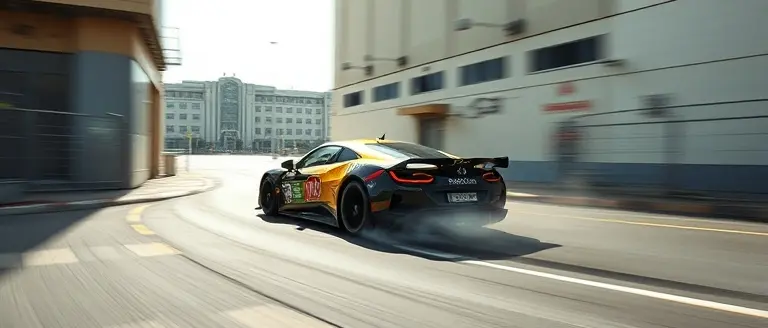
As the NASCAR Cup Series descends upon the unique, high-stakes layout of Naval Base Coronado, Ryan Blaney faces a masterclass in tactical adaptability. The Anduril 250 presents a surface unlike any traditional oval, characterized by abrasive military-grade pavement and narrow concrete channels that offer zero margin for error. Blaney’s approach to this street-course event requires a departure from standard aero-dependent setups. Instead, his team is prioritizing mechanical grip and aggressive brake cooling to survive the stop-and-go nature of the San Diego circuit.
Mastering Tire Wear and Fuel Strategy
The abrasive quality of the Coronado tarmac forces a conservative approach to tire management during the initial stints. Evidence suggests that drivers who push too hard early in the race will suffer from late-lap degradation, as the concrete walls provide limited opportunities for cooling. For Blaney, the strategy hinges on:
- Fuel Window Calculations: With the high risk of cautions on a tight street course, the fuel window becomes fluid. Blaney must maintain a flexible pit strategy to capitalize on potential “short-fill” opportunities under yellow-flag conditions.
- Wall Proximity Management: Unlike traditional tracks with wide run-off zones, the Coronado circuit demands precision. Blaney is utilizing a “calculate-and-commit” style, staying inches from the barriers to maximize the racing line without risking terminal damage.
- Brake Thermal Control: Constant heavy braking into 90-degree turns necessitates a focus on rotor temperatures. Blaney’s ability to “coast” into corners is currently a point of focus for his engineering team to ensure the car remains competitive through the final 20 laps.
By balancing these technical constraints with his natural instinct for high-speed adjustments, Blaney remains a primary contender. While viral moments, such as his recent interaction with Chase Elliott, provide entertainment, the race-day focus remains squarely on his precise, calculated navigation of one of the most challenging venues in recent NASCAR history.
Master the Precision of the Pros
Whether it is Ryan Blaney calculating his line through the unforgiving geometry of the Coronado street course or a master craftsman shaping a complex joint, success is never accidental. It is the result of rigorous planning, an eye for detail, and the refusal to accept anything less than absolute technical accuracy. The ‘Anduril 250’ reminds us that when the margin for error is razor-thin, having a professional-grade plan is the only way to avoid costly, frustrating mistakes.
Just as NASCAR teams rely on absolute precision and detailed schematics to navigate the tight, unpredictable layout of this new military-base circuit, your own DIY projects require that same level of technical rigor. If you are tired of vague instructions and guesswork, it is time to upgrade your approach. With Ted’s Woodworking, you gain access to 16,000 professional, workshop-tested plans designed to ensure your projects succeed on the first attempt, effectively acting as the ultimate ‘engineer’s toolbox’ for the technical-minded hobbyist.
You appreciate the discipline shown by race teams—now it is time to apply that same level of precision to your personal workspace. Stop wasting materials on trial and error and start building with the confidence of a champion who knows exactly what they are doing before they ever pick up a tool. Don’t leave your next build to chance; master the craft today.
 Ready to build with the precision of a professional pit crew? Click here to access the library of 16,000 professional blueprints and start your next project with total technical certainty.Yes, I Want This Now!