
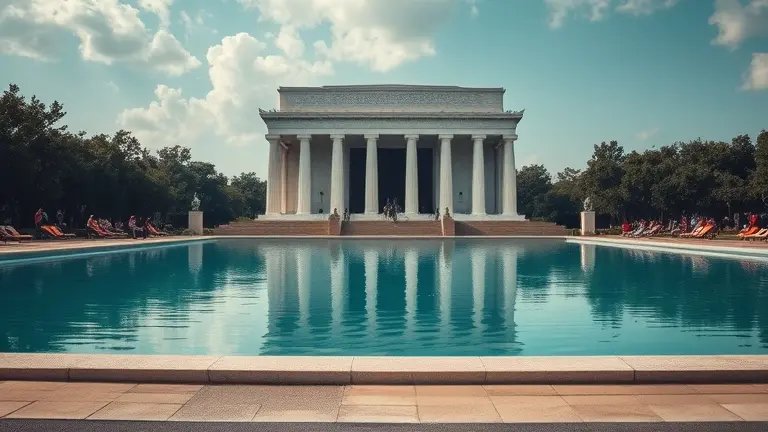
The Lincoln Memorial Reflecting Pool, once a symbol of American history, has recently been dubbed the “Swamp Thing” by frustrated observers. What was intended to be a grand aesthetic restoration has devolved into a $15 million spectacle of mismanagement. As the water turns a toxic, stagnant green and the specialized \”American flag blue\” paint begins to peel from the pool floor, the public is left questioning how a high-profile, government-commissioned project could fail so spectacularly on a technical level. This isn’t just a political headache for the Interior Department; it is an architectural autopsy waiting to happen.
Beyond the media satire and the jokes from officials about being the new \”pool guys,\” lies a deeper, more troubling reality regarding procurement, material science, and technical accountability. The failure of the Reflecting Pool’s surface coating suggests a fundamental disconnect between ambitious design goals and the harsh environmental realities of Washington, D.C. In an era where every taxpayer dollar is scrutinized, the \”Trump pool\” project has become the definitive case study on why, in any serious endeavor, guesswork is no substitute for rigorous, field-tested technical blueprints.
The ‘Trump Pool’ Controversy: A Reflecting Pool in Crisis
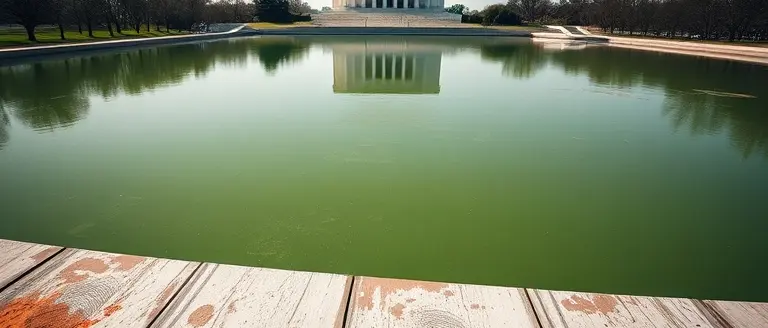
The Lincoln Memorial Reflecting Pool is currently the center of a national firestorm following a $14-15 million renovation project commissioned under the Trump administration. Intended as a high-profile aesthetic upgrade, the project aimed to revitalize the site with a unique, custom-formulated “American flag blue” paint. However, what was marketed as a patriotic restoration has rapidly devolved into a maintenance disaster. Reports circulating as of June 20, 2026, detail a recurring crisis: the water has been overtaken by persistent green algae blooms, and the newly applied specialized coating has begun to peel significantly, exposing the pool’s basin and raising serious questions about the project’s technical execution.
From Aesthetic Upgrade to Maintenance Failure
The discrepancy between the project’s ambitious budget and its current condition has fueled intense public and political scrutiny. Critics are increasingly calling attention to the following failures:
- Structural Deterioration: The specialized blue paint is failing to adhere to the pool floor, leading to visible, unsightly patches that contradict the project’s goal of prestige.
- Environmental Mismanagement: The recurring “Swamp Thing” algae blooms suggest that the original environmental impact assessments may have overlooked the chemical reactions between the new paint and the pool’s filtration system.
- Fiscal Accountability: With $15 million in taxpayer funds allocated, experts are questioning how much was invested in durable materials versus cosmetic surface treatments.
Interior Secretary Doug Burgum has attempted to deflect the growing criticism by jokingly referring to himself as “Trump’s pool guy,” yet the administration remains on the defensive. While officials downplay the severity of the situation, the ongoing degradation of the landmark has become a lightning rod for social media satire and calls for a transparent audit. As the visual evidence of the peeling paint continues to dominate headlines, the project serves as a stark example of a well-funded initiative struggling to meet basic maintenance standards.
Anatomy of a Failure: Technical Analysis of the Renovation
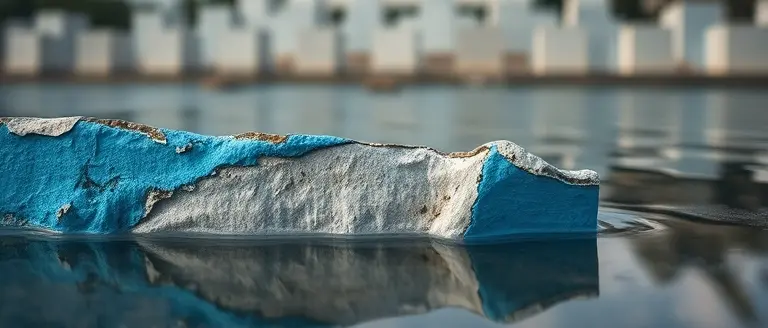
The trump pool renovation project, valued at $14-15 million, has devolved from an aesthetic overhaul into a complex engineering debacle. At the heart of the failure is the selection of a proprietary “American flag blue” coating, which early reports indicate is already peeling from the basin. From a technical standpoint, the choice of a high-pigment decorative coating for a submerged, expansive exterior structure requires rigorous adhesion testing under extreme UV exposure and constant hydraulic pressure. Evidence suggests that if the surface preparation—such as abrasive blasting or substrate priming—did not meet specific industrial standards for moisture-exposed concrete, the hydrostatic pressure would inevitably cause delamination. This peeling not only creates an immediate visual blight but also suggests a fundamental misunderstanding of the material science required for such a unique water feature.
Environmental and Maintenance Deficiencies
The rapid proliferation of algae, which has turned the Reflecting Pool into a murky, emerald-toned hazard, points to a breakdown in the pool’s filtration and chemical balancing systems. Experts note that large-scale outdoor water features are prone to eutrophication when circulation is inadequate or when water chemistry—specifically pH and alkalinity levels—is not meticulously calibrated to mitigate nutrient loading.
The ongoing maintenance crisis, often dubbed the “Swamp Thing” effect, stems from several critical oversights:
- Inadequate Circulation: The sheer volume of the basin may exceed the capacity of the installed filtration systems, allowing for stagnant pockets that foster rapid biological growth.
- Chemical Compatibility: There is concern that the chemicals required to suppress algae growth may be chemically incompatible with the chosen “American flag blue” paint, further accelerating the degradation of the pool’s finish.
- Material Selection: The prioritization of a specific patriotic aesthetic over durable, industry-standard pool liners has likely resulted in a substrate that is highly susceptible to weathering, leading to the current peeling dilemma.
Ultimately, the failure of this project underscores the risks of prioritizing decorative optics over architectural longevity. With taxpayers covering the mounting costs, the focus must shift toward whether the procurement process favored specialized materials that were never properly stress-tested for the harsh, open-air conditions of the National Mall.
The ‘Swamp Thing’ Narrative: Taxpayer Funds and Accountability
The $14–15 million trump pool renovation project has rapidly devolved into a cautionary tale of government procurement and maintenance oversight, earning the unflattering moniker “Swamp Thing” among critics and online observers. While the initial investment was marketed as a necessary aesthetic overhaul for the iconic Lincoln Memorial Reflecting Pool, the subsequent failure of the materials used—specifically the specialized “American flag blue” paint—raises serious questions regarding fiscal responsibility and long-term project management. Taxpayers are now footing the bill for what appears to be a systemic failure in both material selection and environmental adaptation.
Investigative Concerns: Allocation and Oversight
The primary issue facing the Department of the Interior is the disparity between the high-budget allocation and the visible degradation of the site. Investigations into the project’s financial breakdown suggest that a substantial portion of the funds went toward specialized, proprietary coatings that were allegedly ill-suited for the unique aquatic conditions of the Reflecting Pool. Key areas requiring further transparency include:
- Procurement Logic: What criteria were utilized to select the “American flag blue” paint, and were climate-stress tests conducted prior to full-scale application?
- Budget Transparency: A detailed accounting of how much of the $15 million budget was funneled into labor versus the now-peeling materials.
- Recurring Costs: Analysis of the ballooning maintenance fees required to address persistent algae growth and ongoing structural peeling that threatens to compromise the pool’s concrete basin.
By shifting the focus from partisan rhetoric to technical accountability, observers can better understand why this high-profile project has become a symbol of administrative inefficiency. The failure of the trump pool renovation is not merely a matter of aesthetic disappointment; it is a clear-cut case of how insufficient environmental impact assessments and flawed material procurement can lead to a sustained drain on public resources. Future oversight must prioritize durability and evidence-based material science to prevent similar “Swamp Thing” scenarios from becoming a permanent fixture of Washington’s infrastructure landscape.
Looking Ahead: Can the Reflecting Pool Be Saved?
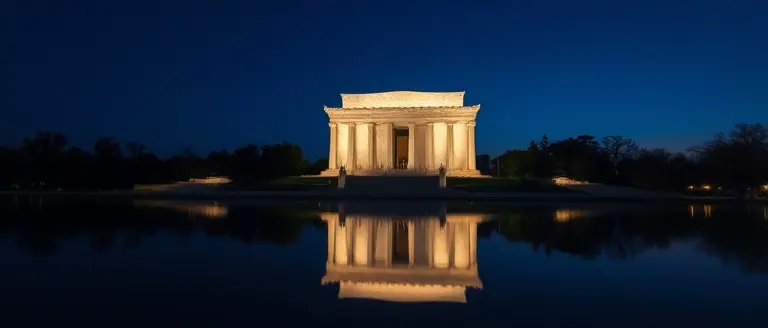
The ongoing degradation of the trump pool renovation project has prompted serious questions regarding the long-term viability of the current restoration strategy. As the Department of the Interior faces mounting pressure to address the persistent algae blooms and the alarming rate of paint delamination, experts suggest that a mere cosmetic patch-up will likely fail to rectify the underlying technical deficiencies. The specialized “American flag blue” finish, intended to serve as a patriotic centerpiece, now appears fundamentally incompatible with the unique environmental stressors of the Washington, D.C. basin, including high humidity, intense UV exposure, and the specific chemical composition of the recirculated water.
Evaluating Remediation Strategies
To restore the structural and aesthetic integrity of the Lincoln Memorial Reflecting Pool, engineers may need to move beyond stop-gap measures and consider a more invasive, comprehensive overhaul. Potential remediation steps likely include:
- Full Strip-and-Resurface: Completely removing the failing blue coating to treat the concrete substrate, which may have been compromised by improper bonding during the initial application.
- Environmental Compatibility Audit: Replacing the current specialized paint with a high-durability, industrial-grade coating specifically formulated for submerged, high-alkalinity environments.
- Filtration System Upgrades: Integrating advanced, non-toxic algae mitigation technology to address the root cause of the “Swamp Thing” phenomenon that continues to plague the site.
- Climate-Responsive Material Selection: Prioritizing materials with proven thermal expansion coefficients that can withstand the extreme temperature fluctuations characteristic of the mid-Atlantic climate.
The primary challenge lies in balancing the administration’s original vision for a vibrant, branded aesthetic with the harsh realities of national landmark maintenance. Relying on specialized, unproven color formulations has proven to be a costly misstep, leading to significant waste of taxpayer funds. Moving forward, the Department of the Interior must prioritize professional, durable, and climate-tested solutions over vanity projects to ensure the Reflecting Pool remains a dignified monument rather than a maintenance liability. Transparency regarding the procurement of these materials will be essential to preventing future failures.
From Public Failure to Professional Precision
The saga of the Lincoln Memorial Reflecting Pool serves as a stark, high-profile reminder that even the most massive budgets cannot compensate for a lack of foundational integrity and technical foresight. When complex projects are rushed or managed without adherence to proven, field-tested standards, the results are as embarrassing as they are predictable. Whether it is an architectural icon or a personal workshop project, the principle remains identical: precision, planning, and professional-grade materials are not optional—they are the only path to a lasting legacy.
You don’t need a multi-million dollar government contract to avoid the mistakes that led to this national embarrassment. The reality is that professional results stem from having the right blueprint before you even pick up a tool. This is exactly where Ted’s Woodworking bridges the gap between amateur trial-and-error and true technical accountability. By providing a gold standard of structural plans and expert-verified methods, it ensures that your own projects maintain the integrity that was so clearly missing in the Reflecting Pool’s ill-fated renovation.
Don’t be a victim of your own shortcuts. By adopting the same level of disciplined planning that separates the masters from the rest, you can ensure your work stands the test of time rather than crumbling under the weight of poor decision-making. If you are serious about achieving professional-grade results, the choice is clear.
 Don’t settle for amateur results that crumble under pressure; learn how to approach your own structural projects with the professional-grade precision that this renovation clearly lacked.Get Professional Plans Now!