
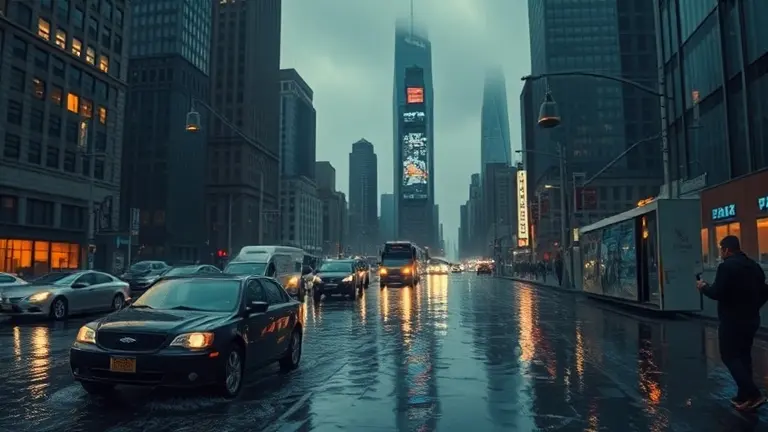
June 2026 has marked a sobering shift for residents and business owners across Nueva York. What were once considered ‘once-in-a-generation’ storms have rapidly evolved into a recurring, chaotic reality, turning flooded streets and property damage into an unwelcome part of city life. As extreme weather events become the ‘new normal,’ the mounting anxiety surrounding infrastructure resilience is no longer just a headline—it is an urgent economic reality that demands a proactive, hands-on approach. Relying on slow municipal improvements is no longer a viable strategy when your livelihood or home is at stake.
The current climate landscape in New York requires more than just awareness; it requires a structural defense strategy. Moving beyond the fear of the next storm means shifting from passive observation to active fortification. Whether you are a business owner safeguarding high-value assets or a homeowner looking to prevent water intrusion, the key lies in mastering your property’s structural integrity. This guide serves as your roadmap to transforming from a bystander into an architect of your own climate resilience.
The New Reality: Decoding NYC’s June 2026 Climate Instability
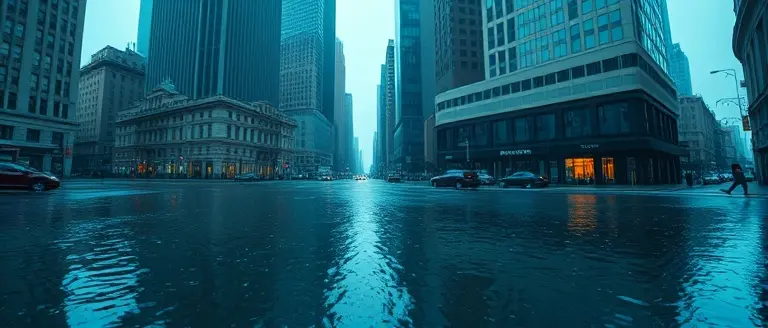
Throughout June 2026, nueva york has faced a shift in meteorological behavior that is challenging the long-standing definition of seasonal weather. What were once categorized as anomalous, infrequent storm systems have transitioned into a commonplace pattern of flash flooding and atmospheric volatility. Evidence suggests that the city’s aging infrastructure is struggling to keep pace with these frequent, high-intensity precipitation events, leading to a mounting sense of climate anxiety among residents and business owners alike. The current instability is not merely a series of bad weather days; it represents a systemic change in the region’s climate profile that requires a fundamental reassessment of urban resilience.
Infrastructure Under Pressure
The rapid onset of these storms has exposed significant vulnerabilities within the five boroughs. From overwhelmed drainage systems to subway flood-readiness concerns, the physical reality of the city is being tested by increasingly erratic patterns. As these events occur with greater frequency, the economic burden of recovery has become a central concern for the local economy. Reports from across the city indicate that the cost of extreme weather is no longer a peripheral line item but a core consideration for long-term fiscal planning.
Key factors contributing to the current climate instability in the region include:
- Urban Heat Island Effect: Increased ambient temperatures intensifying localized storm cells.
- Drainage Saturation: Persistent rain events leaving ground and sewer systems unable to absorb additional volume, accelerating flash floods.
- Economic Fragility: The immediate impact of “storm downtime” on small businesses and the logistical strain on supply chains within the metropolitan area.
This climate evolution demands that residents and stakeholders stop viewing these incidents as isolated surprises and start planning for them as structural realities of life in 2026. Transitioning from reactive crisis management to proactive preparedness is now the only viable strategy for navigating this new environmental landscape.
The Economic Toll: Assessing the Cost of Business Disruption

The recurring climate instability across nueva york has evolved from a seasonal inconvenience into a fundamental structural risk for the local economy. As flooding events become more “commonplace,” the financial burden on the city’s commerce sector is shifting from manageable recovery costs to sustained operational overhead. Evidence suggests that businesses—particularly small-to-medium enterprises (SMEs)—are now facing a volatile landscape where the unpredictable nature of extreme weather complicates long-term economic forecasting and resource allocation.
The Financial Cascades of Environmental Instability
The economic impact of these climate patterns manifests through both direct damage and systemic disruptions. For many local businesses, the primary financial strain involves more than just immediate facility repairs; it encompasses a complex web of indirect costs that threaten viability:
- Supply Chain Fragility: Recent disruptions have highlighted the vulnerability of New York’s logistical corridors, where localized flooding prevents the timely movement of goods, leading to inventory shortages and inflated transit costs.
- Insurance and Mitigation Premiums: As insurers re-evaluate the risk profile of urban areas, businesses are seeing a sharp increase in premiums and the mandatory implementation of costly infrastructure upgrades.
- Operational Downtime: The cumulative impact of forced closures, whether due to power outages or transit limitations, directly translates to lost revenue that many smaller firms cannot absorb.
Adjusting Economic Forecasting for a ‘New Normal’
Persistent instability is forcing stakeholders to move beyond reactive recovery models. Economic analysts now emphasize that climate resilience must be treated as a critical business priority rather than a peripheral concern. By integrating predictive weather data into operational workflows, enterprises are beginning to buffer their assets against the “new normal.” However, the burden remains significant for local business owners who must now balance the high cost of climate-proofing their physical infrastructure against the necessity of maintaining competitive pricing in an increasingly uncertain market environment. Ultimately, the fiscal health of the region will depend on how effectively public-private partnerships can bridge the gap in infrastructure support to shield the backbone of New York’s economy from these mounting external shocks.
A Resilience Roadmap: Navigating Infrastructure Vulnerabilities
As extreme weather becomes a hallmark of the nueva york climate landscape, the city’s residents and business owners must transition from reactive crisis management to proactive infrastructure resilience. With flooding becoming an increasingly “commonplace” occurrence, safeguarding physical operations requires a multi-layered approach. Business owners are encouraged to conduct a “Vulnerability Audit,” which involves identifying localized flood-risk zones and assessing the structural integrity of basements, drainage systems, and ground-level entry points. By investing in flood-resistant barriers, backup power generators, and moisture-resistant building materials, establishments can significantly mitigate the mounting cost of extreme weather that continues to threaten local economic stability.
Strategies for Long-Term Infrastructure Preparedness
Effective climate adaptation in a dense urban environment necessitates both individual initiative and an understanding of public-private partnerships. The city’s infrastructure is currently under immense pressure, and waiting for municipal intervention is no longer a viable strategy for risk mitigation. To fortify your assets, consider the following actionable steps:
- Implement Smart Drainage Solutions: Install industrial-grade sump pumps and check valves to prevent backflow during peak rain events.
- Prioritize Digital Resilience: Transition critical business data to cloud-based storage to ensure continuity if physical storefronts or offices are compromised by floodwaters.
- Engage with Community Resilience Hubs: Participate in local municipal planning forums to better understand upcoming citywide flood-mitigation projects and how they intersect with your property.
- Master Municipal Alerts: Rely on official government notification systems (like Notify NYC) rather than fragmented social media reports to make informed decisions regarding operational closures or equipment relocation.
Interpreting these municipal warnings requires agility; business owners should establish a clear “trigger protocol”—a pre-determined set of conditions that necessitate proactive property lockdown. By treating infrastructure maintenance as a critical business priority rather than a luxury, stakeholders can navigate the persistent instability of current weather patterns while securing their economic future against the unpredictability of the region’s changing climate.
Future-Proofing: Insurance, Adaptation, and Long-Term Stability

As nueva york grapples with the “new normal” of recurring extreme weather, business owners must pivot from reactive crisis management to proactive risk mitigation. The rising cost of extreme weather has fundamentally changed the landscape of commercial insurance in 2026. Traditional policies often fall short when addressing the cumulative economic impact of persistent flooding and infrastructure failure. Experts now recommend that business owners perform a comprehensive audit of their coverage, specifically looking for “business interruption” clauses that explicitly include climate-driven closures, even in the absence of structural building damage.
Essential Adaptation Strategies for NYC Businesses
To maintain long-term stability, enterprises must integrate physical and digital resilience into their operational core. Relying on municipal infrastructure alone is no longer a viable strategy for long-term sustainability. Instead, consider these actionable steps:
- Digital Monitoring Tools: Deploy IoT-enabled water sensors and hyper-local weather forecasting software to receive real-time alerts. Early detection systems provide the critical hours needed to secure inventory or deploy flood barriers.
- Physical Hardening: Invest in flood-mitigation infrastructure, such as sump pumps, backwater valves, and elevated electrical systems. For retail spaces, prioritize the elevation of key digital assets and sensitive physical inventory above typical flood levels.
- Community-Based Resilience: Engage in neighborhood business alliances to share the cost of private infrastructure upgrades. Collective investment in emergency backup power systems or unified drainage maintenance can significantly lower individual insurance premiums.
- Documentation and Recovery Planning: Maintain meticulous digital logs of all climate-related losses. Evidence suggests that businesses with robust, cloud-stored records of revenue disruption secure faster insurance payouts compared to those lacking granular data.
By treating climate resilience as a permanent operating expense rather than an occasional emergency cost, NYC businesses can insulate themselves against the unpredictability of the region’s evolving climate patterns. Proactive adaptation is not merely an environmental choice; it is a fundamental pillar of fiscal responsibility in the current economic climate.
Build Your Defense Before the Next Storm
The path to climate resilience in Nueva York is paved with practical, structural preparation. We have seen that waiting for government intervention leaves properties vulnerable to the rising costs of recurring weather instability. By taking control of your property’s infrastructure, you are not just protecting your physical space; you are securing your financial future against the unpredictability of the city’s changing environment.
While the threat of extreme weather is daunting, securing your own property starts with the right blueprints—don’t rely on guesswork when protecting your business or home from the next storm. Ted’s Woodworking provides the professional-grade, step-by-step technical plans required to build flood-resistant modifications and high-value shelving units that stand the test of time. This is your essential toolkit for moving from anxiety to active physical infrastructure improvement.
By utilizing these precise blueprints, you gain the technical certainty to build your own flood-defense and structural reinforcements effectively. This is the natural next step for any resident or entrepreneur committed to weathering the challenges of the current climate era with confidence and precision.
 Access the library of 16,000 resilience blueprints here to start fortifying your property against the next NYC weather event.Secure My Property Now!