
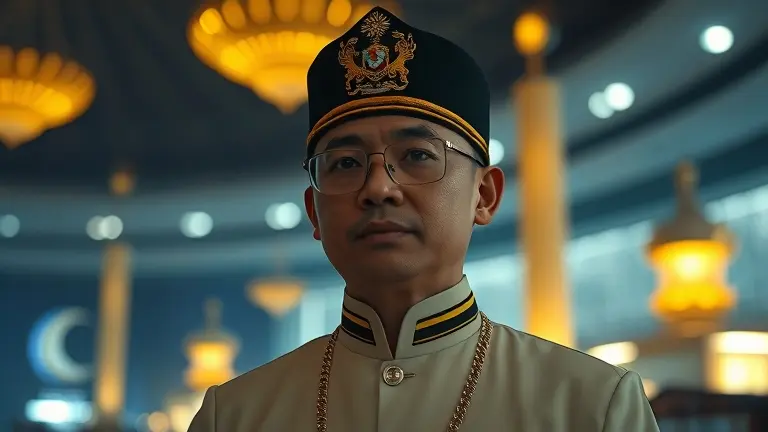
Brunei Darussalam often occupies a quiet, enigmatic space in the global imagination. Far from the viral trends and rapid shifts that define many modern nations, this Southeast Asian sultanate operates on a different frequency—one defined by deliberate, long-term architecture and a deep commitment to tradition. For the astute observer, Brunei is not merely a destination, but a complex case study in how a sovereign state manages its resources and identity in the 21st century.
As the global landscape shifts away from traditional energy dependency, Brunei is meticulously crafting its own path through its ambitious Vision 2035 strategy. This initiative is more than an economic plan; it is an architectural vision for the nation’s future, balancing the weight of a historic absolute monarchy with the necessities of modern global competition. Understanding this transition requires looking past the surface to see the foundational rigor the country is applying to its evolution.
In this article, we peel back the layers of Brunei’s governance, examine its shift toward a post-oil economy, and explore what it truly means to navigate a society built on precise, long-standing principles. Much like the nation-building efforts seen in the Abode of Peace, achieving your own goals—whether personal or professional—demands that same level of structural discipline and a clear, master-tier roadmap to turn a vision into reality.
Understanding Brunei: A Strategic Overview for the Modern Observer
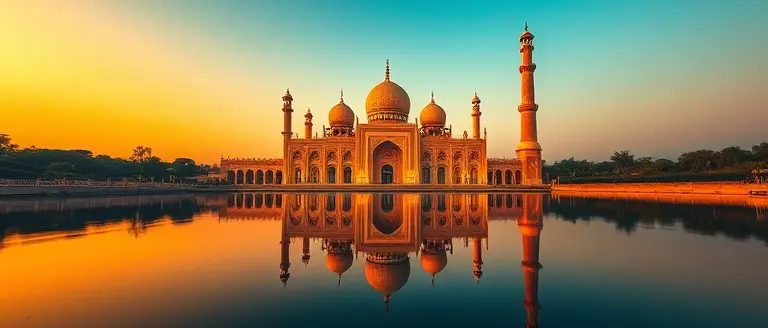
Brunei Darussalam, officially the Nation of Brunei, the Abode of Peace, occupies a unique position in Southeast Asia. As one of the world’s few remaining absolute monarchies, it functions as a stable, sovereign sultanate that often draws attention from US observers due to its high-income economy and distinct socio-political structure. While many nations in the region have aggressively pursued industrialization, Brunei has maintained a careful balance between preserving its traditional royal heritage and integrating into the global financial landscape. For the modern observer, the nation represents a fascinating case study in how a small, resource-rich state navigates the geopolitical complexities of the 21st century.
The Economic Foundation and Vision 2035
At the heart of the Bruneian state is its reliance on oil and natural gas exports. However, the government is currently engaged in an ambitious long-term development strategy known as Vision 2035. This framework seeks to transition the economy away from its traditional hydrocarbon dependency by fostering private sector growth and diversifying into sectors such as downstream oil and gas, halal manufacturing, and tourism.
Key strategic goals of this national transformation include:
- Economic Diversification: Reducing the heavy reliance on state-led energy exports through foreign direct investment.
- Human Capital Development: Investing in a highly skilled, localized workforce to replace expatriate labor.
- Sustainable Growth: Integrating eco-tourism as a primary pillar of the nation’s international profile.
- Geopolitical Alignment: Maintaining a constructive and influential role within the ASEAN bloc to ensure regional security and trade stability.
By functioning as a quiet, steady player within the Association of Southeast Asian Nations, Brunei provides a counter-narrative to the rapid, often volatile, development seen elsewhere. For those monitoring the region, the nation serves as an essential indicator of how resource-wealthy states can pursue modernization without compromising their established governance models. As the global energy transition accelerates, the success of Brunei’s economic pivot remains a critical focal point for international analysts and investors alike.
Brunei Vision 2035: Navigating the Post-Oil Economy
For decades, the economy of Brunei has been synonymous with hydrocarbon wealth, primarily driven by significant oil and gas exports. However, recognizing the finite nature of these resources and the volatility of global energy markets, the Sultanate has launched Brunei Vision 2035 (Wawasan Brunei 2035). This ambitious long-term roadmap aims to transform the nation into a diversified, dynamic, and sustainable economy, recognized globally for the high quality of life of its citizens. The strategy emphasizes a departure from traditional extraction-based growth, pivoting instead toward high-value sectors that can thrive in a modern, interconnected global landscape.
Key Pillars of Economic Diversification
To achieve these objectives, the government is prioritizing five strategic economic clusters designed to foster private sector growth and reduce reliance on state-led energy income:
- Downstream Oil and Gas: Moving up the value chain by investing in petrochemical production and refined petroleum products to maximize the utility of existing reserves.
- Islamic Finance: Leveraging the country’s robust regulatory framework to become a regional hub for Sharia-compliant financial services and fintech innovation.
- Tourism: Promoting luxury eco-tourism and cultural heritage, capitalizing on the nation’s pristine rainforests and preserved historical landmarks to attract a niche segment of international travelers.
- Manufacturing and Services: Encouraging foreign direct investment in food, logistics, and digital services to build a resilient industrial base.
- Agri-food: Utilizing advanced technology to improve local agricultural productivity, aiming for national food security and reduced import dependence.
The transition toward a post-oil economy is not without challenges. Balancing the preservation of the country’s unique cultural and religious identity with the demands of global market integration requires a delicate administrative approach. While the public sector remains a significant employer, the success of Brunei Vision 2035 ultimately hinges on the ability of the private sector to innovate, scale, and provide high-quality employment opportunities for a highly educated local workforce. By integrating human capital development with these strategic economic goals, the nation is positioning itself for a sustainable future beyond the petroleum era.
Luxury Travel and Heritage: The Reality of Tourism in the Abode of Peace

Travel to Brunei offers a distinctive contrast between opulent royal grandeur and the raw, untouched beauty of Southeast Asian wilderness. Known as the “Abode of Peace,” the nation provides a curated travel experience for those seeking exclusivity away from the crowded tourist circuits of neighboring regions. The cornerstone of the high-end visitor experience is The Empire Brunei, a sprawling resort that reflects the nation’s wealth through gilded architecture and private beachfront access. For the luxury traveler, this property serves as a base to explore a country where modernization is carefully balanced with traditional Islamic heritage and conservative social standards.
Balancing Rainforest Exploration and Royal Splendor
Beyond the gilded corridors of luxury hotels, the true crown jewel of the nation is the Ulu Temburong National Park. Accessed primarily by longboat, this protected rainforest allows visitors to witness pristine biodiversity from the canopy walk, which towers above the tropical foliage. Because the government places a heavy emphasis on environmental preservation, tourism here is managed with an eye toward sustainability rather than mass-market volume. Visitors should note that infrastructure is excellent for transit, yet the pace of life remains deliberately slow, reflecting a culture that prioritizes local customs and religious decorum.
Essential Travel Considerations
To ensure a respectful and rewarding journey in Brunei, prospective travelers should keep the following cultural and practical guidelines in mind:
- Cultural Etiquette: As a conservative Islamic nation, modest dress is expected in public spaces. Always research current protocols before visiting mosques or government sites.
- Alcohol Policy: Brunei does not allow the public sale of alcohol. While non-Muslim travelers are permitted to bring a restricted amount for private consumption, it is crucial to adhere strictly to the country’s import regulations.
- Infrastructure: While the roads are high-quality and travel between the capital, Bandar Seri Begawan, and the Temburong district is seamless thanks to the Sultan Haji Omar Ali Saifuddien Bridge, public transport remains limited. Private transfers are the recommended mode for high-end travelers.
- Seasonality: Plan visits outside of the monsoon season to ensure that water-based transport to the rainforest remains reliable and safe.
By prioritizing quiet luxury and ecological integrity, Brunei offers a rare, tranquil alternative for the discerning traveler looking to step off the beaten path while enjoying world-class hospitality.
Governance and Tradition: The Sultanate in the 21st Century

At the heart of the nation’s political stability lies the Malay Islamic Monarchy (MIB), or Melayu Islam Beraja. This philosophy serves as the foundational pillar of Brunei governance, effectively weaving together Malay culture, Islamic law, and the absolute authority of the Sultan. Unlike Western democratic models that prioritize a separation of powers and secular governance, the Bruneian system maintains an executive structure where the Sultan serves as the head of state, prime minister, minister of finance, and head of the Islamic faith. This concentration of authority is not merely a political relic but is framed as a cultural safeguard designed to preserve national identity in an increasingly globalized world.
The Dynamics of Absolute Monarchy
To understand the administrative machinery of Brunei, one must look at how executive power is exercised through a consultative approach. While the Sultan holds ultimate authority, the governance framework relies on several key bodies to facilitate national administration:
- The Privy Council: Responsible for advising the Sultan on constitutional matters and the appointment of successors.
- The Council of Cabinet Ministers: Oversees the day-to-day implementation of policy and the execution of state initiatives like Vision 2035.
- The Legislative Council: Provides a platform for deliberating national budgets and reviewing legislative proposals, acting as a bridge between the citizenry and the executive branch.
- The Council of Succession: Ensures the seamless transition of the monarchy, reinforcing long-term political stability.
While international observers often contrast this absolute monarchy with Western liberal democracies, evidence suggests that the state’s political durability is linked to its “cradle-to-grave” social contract. By providing robust welfare, subsidized housing, and free education and healthcare, the state maintains a distinct social equilibrium. As Brunei continues to navigate its transition toward a post-oil economy, the MIB philosophy remains the core lens through which the government executes policy, ensuring that modernization efforts do not displace the traditional social fabric that defines this unique Southeast Asian nation.
Crafting Your Own Vision with Precision
Brunei’s journey toward Vision 2035 is a masterclass in long-term planning, structural integrity, and the necessity of having a reliable blueprint for the future. Just as the nation is meticulously architecting its post-oil economy to ensure stability and growth, your own projects—whether at home or in your personal workshop—require that same level of foundational precision to succeed. Without the right plans, the trial-and-error process can lead to frustration and wasted resources, mirroring the inefficiency that Brunei is actively working to eliminate through its strategic national overhaul.
You can apply that same ‘architectural’ mindset to your own work by utilizing a professional toolkit that removes the guesswork from your projects. Much like the national frameworks guiding Brunei’s development, our recommended resource provides the foundational clarity you need to execute complex tasks with confidence. By leveraging proven, expert-grade blueprints, you ensure that every step you take is backed by a reliable system, effectively eliminating the frustration of building from scratch without proper guidance.
Build your own vision with precision by accessing a comprehensive library of 16,000 professional plans designed to elevate your projects to a new level of quality. Whether you are aiming for structural excellence or refined, high-end outcomes, having the right architecture at your fingertips is the key to sustainable, high-quality results. Invest in the right tools today and bring the same rigor to your home projects that a nation applies to its future.

Build your own vision with precision—explore the complete library of 16,000 professional woodworking plans here.
Get Yours Now