

In the rapidly evolving economic landscape of 2026, the global gaze is increasingly fixed on the strategic potential of Africa, with a particular focus on Algeria as a linchpin of Mediterranean stability. While many observers look for singular, sensational breaking news, the real story lies in the quiet, systematic progress of structural economic integration and the continent’s pivotal role in the European energy transition. This shift represents a transition from speculative interest to data-backed, long-term strategic planning.
For professionals and investors alike, the challenge is navigating a market that often lacks the rigorous, technical clarity required for high-stakes decision-making. Much like complex infrastructure projects, understanding the nuance of regional trade and energy flows requires more than a passing glance; it demands an analytical blueprint that filters out the noise of generic commentary. Bridging the gap between academic theory and actionable market intelligence is no longer optional—it is a competitive necessity.
As we examine the current trajectory of Mediterranean economic alliances, it becomes clear that success belongs to those who apply precision-oriented methodologies. By dissecting the actual mechanics of trade logistics and energy production, we move beyond outdated misconceptions to uncover the authentic, data-driven narrative that defines the region’s emerging prosperity.
Navigating the 2026 Narrative: Why Algeria and Africa Remain at the Forefront of Global Inquiry

In the digital information landscape of April 2026, the sustained search interest surrounding Africa and Algeria challenges the traditional “breaking news” paradigm. Unlike viral trends that spike and vanish, current inquiries reflect a sophisticated, long-term commitment from investors, policymakers, and industry analysts. This shift indicates that the public is moving away from sensationalized headlines and toward a deeper understanding of structural geopolitical realities. The consistent search volume is rooted in the strategic necessity of understanding regional economic integration and the complex interdependencies defining the modern Mediterranean economy.
Deconstructing the Demand for Regional Insight
The current appetite for data regarding Algeria and the broader African continent is largely driven by three foundational pillars:
- Energy Security and Transition: As Europe pivots its energy infrastructure, Algeria has emerged as a primary, reliable supplier. Observers are increasingly focused on how North African natural gas flows directly influence Mediterranean price stability.
- Trade Bloc Evolution: There is significant professional interest in the maturation of regional trade alliances. Analysts are tracking how intra-continental agreements are altering supply chains and reducing dependence on legacy global markets.
- Infrastructure Investment: Beyond headlines, there is an ongoing educational focus on the physical and digital infrastructure projects that are effectively bridging the gap between historical market stagnation and future growth potential.
This interest is distinct from temporary news cycles because it is tied to tangible economic metrics. By prioritizing long-term structural analysis over reactive reporting, stakeholders are better equipped to navigate the realities of 2026. The data suggests that for those tracking global economic health, the focus on Africa is no longer a peripheral concern; it is a central requirement for understanding the evolving stability of the global energy and trade landscape. As we look deeper into these sectors, it becomes clear that the narrative is not defined by singular events, but by the steady, intentional development of regional capacity.
Algeria’s Strategic Role in the 2026 European Energy Transition
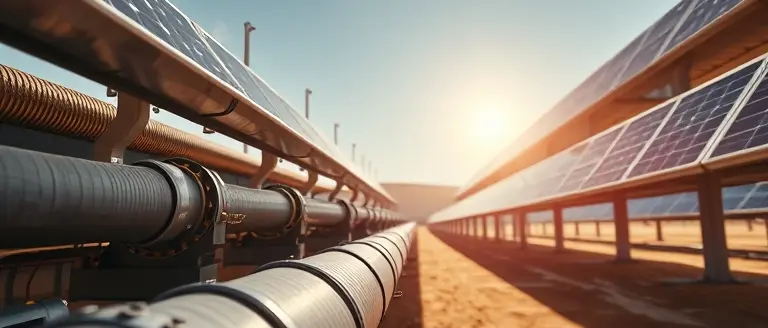
As of 2026, Algeria remains a cornerstone of European energy security, functioning as a vital bridge between the vast resource wealth of Africa and the industrial demands of the Mediterranean. While historical trade models centered primarily on conventional natural gas exports, the current landscape reflects a sophisticated shift toward integrated sustainable energy partnerships. European markets, seeking to diversify away from legacy dependencies, have increasingly turned to Algerian infrastructure to maintain supply stability. This strategic reliance is not merely transactional; it is embedded in the physical pipeline networks that connect the Maghreb directly to the European mainland, providing a reliable backbone for regional grid security.
From Gas Infrastructure to Green Hydrogen
The transition within the energy sector is marked by a pivotal move toward renewable integration. Beyond the sustained flow of natural gas, Algeria is aggressively positioning itself as a primary supplier for the European green hydrogen market. Through significant capital investment in solar-to-hydrogen initiatives, the nation is repurposing existing transit corridors to transport carbon-neutral fuels. This evolution is essential for meeting the stringent decarbonization targets set by the European Union.
Key developments driving this economic shift include:
- Infrastructure Repurposing: Leveraging existing pipeline networks to accommodate hydrogen blends, significantly reducing the capital expenditure typically required for new energy logistics.
- Renewable Energy Synergy: Utilizing the Saharan region’s immense solar potential to power electrolysis plants, effectively scaling production for cross-Mediterranean export.
- Strategic Bilateral Alliances: Expanding diplomatic cooperation with EU member states to co-finance long-term energy projects, ensuring that Africa remains a central player in the global energy transition rather than a passive observer.
Evidence suggests that by fostering these integrated partnerships, Algeria is successfully mitigating the risks associated with volatile global commodity markets while securing its status as an indispensable partner in Europe’s multi-decade journey toward energy independence and sustainability.
The Evolution of Maghreb Trade Alliances: A Data-Driven Overview
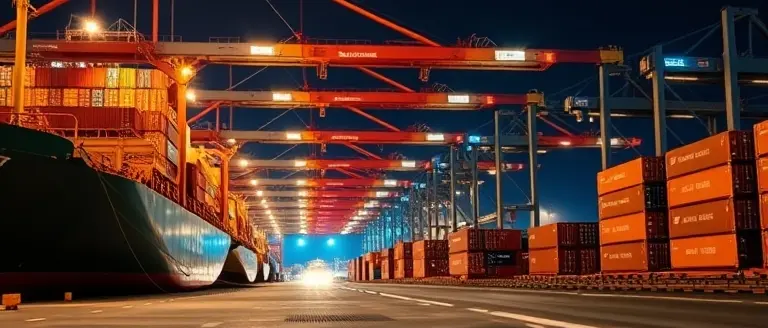
The economic landscape across Africa is undergoing a profound structural shift as North African nations prioritize regional integration to mitigate global supply chain volatility. Central to this transformation is the evolution of Maghreb trade alliances, which have moved beyond traditional bilateral agreements toward sophisticated, multilateral frameworks. Algeria, leveraging its strategic geographical position and robust energy export infrastructure, has emerged as a key architect in these developments. Recent diplomatic initiatives focused on reducing customs friction and harmonizing cross-border logistics are signaling a move toward a more cohesive Mediterranean-facing economic bloc, effectively strengthening the continent’s internal trade architecture.
Strengthening Regional Integration through Logistics
Evidence suggests that the implementation of modernized maritime logistics corridors is the primary driver behind current economic expansion. By streamlining port-to-port connectivity, member states are significantly lowering the cost of goods and enhancing the flow of industrial inputs. These advancements are critical for the broader Africa region, as they provide a blueprint for how North African stability can catalyze wider Continental Free Trade Area (AfCFTA) objectives.
Key factors contributing to this evolution include:
- Infrastructure Investment: Increased capital allocation toward automated port management and digitized customs clearance to minimize transit delays for industrial goods.
- Diversified Trade Agreements: A pivot from exclusive reliance on European markets to a more balanced strategy that promotes intra-Maghreb trade in high-value manufactured goods.
- Energy-Trade Nexus: The integration of energy transit networks, with Algeria serving as a regional hub for natural gas and emerging hydrogen exports, fostering deeper economic interdependence.
- Regulatory Harmonization: Systematic efforts to align regional trade standards, which, according to preliminary 2026 data, are expected to reduce non-tariff barriers by an estimated 15% over the next two fiscal years.
As these alliances solidify, the focus remains on transforming the region into a gateway for trans-Saharan commerce. By fostering a more predictable regulatory environment, Maghreb nations are not only securing their economic sovereignty but are also positioning themselves as indispensable partners in the 2026 global energy transition, ensuring that Algeria and its neighbors remain central to the Mediterranean’s future economic prosperity.
Fact vs. Myth: Debunking Stale Narratives in African Economic Discourse
Modern economic discourse surrounding Africa often suffers from outdated tropes that fail to account for the continent’s rapid structural transformation. To understand the current trajectory, one must move beyond generalized narratives and examine specific regional developments, particularly the integration of energy-producing nations like Algeria into global value chains. Recent data indicates that the region is shifting away from simple commodity dependence toward sophisticated diplomatic and energy trade agreements that prioritize long-term stability over short-term volatility.
Key Misconceptions vs. Market Realities
Evidence from the first half of 2026 suggests that common economic myths are being challenged by granular, real-world data:
- Myth: FDI is driven primarily by single-sector extraction.
- Fact: While natural resources remain significant, Foreign Direct Investment (FDI) is increasingly flowing into infrastructure, renewable energy, and digital services. Investors are prioritizing high-growth markets that demonstrate regulatory maturity and, in cases like the North African energy sector, reliable supply chain integration with Europe.
- Myth: Regional fintech is in its infancy.
- Fact: The maturation of fintech across the continent is profound. Digital payment systems and cross-border trade platforms have achieved high adoption rates, effectively bypassing traditional banking bottlenecks and reducing the friction costs previously associated with regional commerce.
- Myth: Diplomatic and economic instability is monolithic.
- Fact: Analysis of trade alliances demonstrates a high degree of agency. Algeria, for instance, has leveraged its energy infrastructure to solidify its position as a critical node in the Mediterranean’s energy transition. Rather than mere passive participants, these nations are active architects of their economic partnerships, balancing traditional relationships with emerging global alliances.
By dissecting these trends, it becomes clear that the “stagnation” narrative is functionally obsolete. Sustainable economic growth is being driven by localized investment and strategic trade positioning, signaling a shift toward a more integrated, resilient, and investor-attractive economic landscape across the continent.
Architecting Your Own Success with Precision
Understanding the complexities of the North African energy sector requires a commitment to structural clarity and high-precision data. We have established that the future of the Mediterranean economy depends on deliberate, verified, and expertly planned initiatives rather than guesswork or reactive strategies. When you apply this same level of analytical rigor to your professional and personal ventures, you eliminate the resource waste that stems from incomplete, amateur-grade guidance.
Just as our analysis provides the precise blueprint for understanding the complexities of the North African energy sector, you need the right technical toolkit to execute your own high-stakes projects with professional-grade precision. Ted’s Woodworking acts as that essential technical roadmap, providing a comprehensive, verified library of project plans that ensure your work is built on a foundation of total technical certainty. Do not leave your results to trial and error; secure the tools that professionals trust to deliver perfect outcomes every time.
Build your projects with the same analytical rigor we apply to energy markets; access the complete, verified library of professional blueprints here.

Build your projects with the same analytical rigor we apply to energy markets; access the complete, verified library of professional blueprints here.
Get Yours Now