
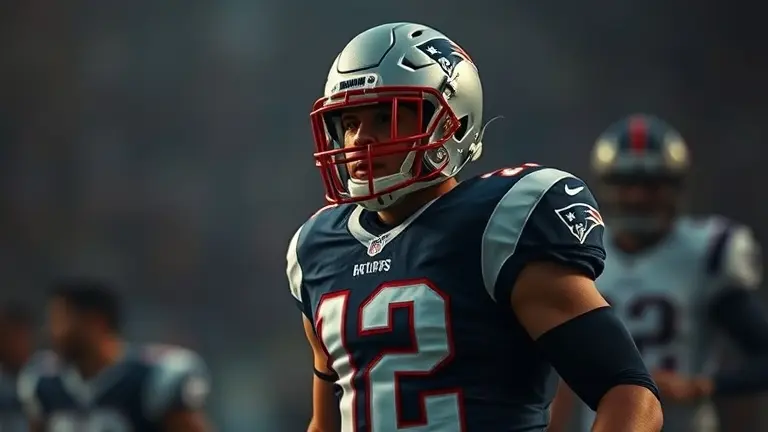
In the digital age, sports fans are constantly bombarded with headlines linking superstars to struggling franchises. The recent wave of Patriots Maxx Crosby trade rumors is a masterclass in this phenomenon, dominating search engines and social media feeds despite a glaring absence of concrete reporting. As of June 2026, the buzz stems primarily from speculative ‘bold predictions’ regarding the upcoming trade deadline rather than actual discussions between the Las Vegas Raiders and New England. For the informed fan, these repetitive stories create a confusing fog, blending legitimate team needs with pure, click-driven fiction.
To understand why these rumors remain alive, one must look past the headlines and into the hard realities of the NFL: salary cap structures, the lingering impact of past injuries like the meniscus issues that have hampered trade talks elsewhere, and the undeniable leverage of a team holding onto a generational talent. This article serves as a necessary reality check, moving away from the noise to provide an objective, data-backed analysis that separates fantasy from the actual mechanics of NFL transactions.
The Anatomy of a Trade Rumor: Why Maxx Crosby to the Patriots Persists

The persistent patriots maxx crosby trade rumors that have circulated throughout the 2026 offseason serve as a textbook example of modern sports media dynamics. Rather than originating from front-office leaks or verified insider reports, this buzz is almost entirely a product of predictive analysis—what many outlets categorize as “early bold predictions.” During the lull between mandatory minicamps and the opening of training camp, sports aggregators often identify teams with significant salary cap flexibility and glaring positional needs, such as the New England Patriots’ search for a premier edge rusher. By pairing a franchise in transition with a star player like Crosby, platforms generate high engagement through speculative scenarios that lack actual team-to-team dialogue.
Distinguishing Speculation from Reality
To navigate the current noise, it is essential to understand the difference between click-driven content and legitimate transaction news. In the NFL, trade discussions are rarely public until they reach a state of advanced maturity or completion. Current rumors regarding Crosby rely on the following artificial pillars:
- The “Need-Gap” Logic: Analysts identify that New England possesses the available salary cap space to absorb a massive contract, leading to the assumption that a move is “logical” regardless of Las Vegas’s intent to sell.
- Aggregator Feedback Loops: Once a single high-traffic site publishes a mock scenario, smaller sports blogs amplify the content, creating an illusion of widespread reporting that suggests a story is gaining momentum.
- The “Re-evaluation” Narrative: Media outlets often interpret vague team statements about “re-evaluating the roster” as a signal that marquee players are on the block, disregarding the fact that every NFL team conducts such assessments annually.
In reality, there is no evidence that the Raiders are actively shopping their star defender, nor that the Patriots have initiated formal trade inquiries. For fans, these rumors should be viewed as intellectual exercises in “what-if” scenarios rather than indicators of an imminent roster shift. Discerning between this manufactured content and verified league news is the key to maintaining a realistic outlook on the Patriots’ actual personnel strategy.
The Fact-Check: Separating Speculation from Front Office Strategy

When navigating the current landscape of patriots maxx crosby trade rumors, it is essential to distinguish between calculated roster-building and algorithmic content creation. As of June 2026, there have been no confirmed reports from team insiders, reliable beat writers, or league sources indicating that the Las Vegas Raiders are entertaining offers for their star defensive end. The persistent buzz originates almost exclusively from national sports media platforms utilizing “bold predictions” for the 2026 NFL trade deadline. These narratives leverage the New England Patriots’ well-documented salary cap flexibility and their glaring need for an elite pass rusher to construct a logical, yet entirely speculative, scenario.
The Reality of Raiders’ Intentions and Medical Considerations
Despite the noise, both the Las Vegas organization and Maxx Crosby have consistently signaled a mutual commitment. Crosby remains a cornerstone of the Raiders’ defensive identity, and the team has shown no indication of entering a total rebuild that would necessitate moving a player of his caliber. Furthermore, front office strategy is rarely driven by cap space alone. Potential trade partners are known to be cautious regarding:
- Injury History: Lingering concerns over a past meniscus repair have historically cooled interest from potential suitors, as teams are hesitant to surrender premium draft capital for an asset with documented medical fragility.
- Organizational Value: A player’s “culture impact” often outweighs the theoretical value of draft picks, especially for a franchise looking to maintain a competitive defensive identity.
- Transactional Complexity: The logistical and financial burden of absorbing a high-value contract—even for a team with cap room—requires a level of desperation that the Patriots have not publicly demonstrated.
While the “Patriots need an elite pass rusher” narrative is analytically sound, moving a franchise cornerstone requires more than a simple desire for defensive upgrades. In the NFL, blockbuster trades involving perennial Pro Bowlers are typically the result of internal dysfunction or massive rebuilding mandates, neither of which accurately describes the current situation in Las Vegas. For fans and analysts, recognizing this distinction is the key to separating legitimate roster maneuvers from the repetitive churn of the digital news cycle.
Structural Barriers: Why a Deal for an Elite Pass Rusher Rarely Happens Mid-Season

While patriots maxx crosby trade rumors frequently circulate in digital media, the actual logistics of executing a trade for a superstar defensive end during the NFL season are fraught with complex obstacles. Beyond simple fan desire, front offices must navigate rigid financial frameworks and team-building philosophies that make such mid-season acquisitions exceedingly rare.
Financial and Operational Hurdles
The primary challenge in any high-profile trade is the structure of the salary cap. For a team like the New England Patriots, absorbing a contract of Maxx Crosby’s magnitude requires significant maneuvering. Even when a team possesses substantial cap space, the immediate impact of “dead money” and prorated signing bonuses often creates a mathematical ceiling that complicates negotiations.
Furthermore, integrating an elite pass rusher into a new defensive scheme mid-season is rarely as seamless as armchair analysts suggest. Elite defenders rely on specific timing, gap discipline, and chemistry with teammates—elements that typically require an entire training camp to cultivate. Bringing in a player mid-year risks disrupting a locker room’s existing defensive synergy for minimal marginal gain.
Evaluating Risk and Long-Term Assets
Beyond financials and scheme fit, teams must weigh the “cost-benefit” of losing high-value draft capital. Historical NFL trade patterns demonstrate that organizations are increasingly hesitant to part with first-round picks for veterans, especially those with medical red flags. Key factors that suppress trade activity include:
- Medical Longevity: Concerns regarding a player’s history—such as a previous meniscus repair—significantly lower their trade value, as teams fear long-term availability issues.
- Asset Valuation: General Managers prioritize the cost-controlled nature of rookie contracts over the massive, escalating salary commitments of established stars.
- Re-evaluation Cycles: As seen in recent reports, teams often enter a period of internal assessment, preferring to retain cornerstone talent to provide leadership and culture during rebuilding phases.
Ultimately, the persistent speculation linking the Patriots to Crosby ignores the reality that elite pass rushers are the rarest commodities in the league. For the Las Vegas Raiders, the value of keeping a franchise cornerstone almost always outweighs the theoretical haul of draft picks, regardless of what speculative trade deadline predictions might suggest.
Historical Context: How the NFL Trade Market Actually Works
To understand why patriots maxx crosby trade rumors persist despite a lack of tangible evidence, one must look at the structural realities of the NFL trade market. Historically, the most significant “blockbuster” acquisitions occur during the offseason or when a franchise enters a full-scale, multi-year rebuild. General managers prioritize stability for elite assets like five-time Pro Bowler Maxx Crosby. When a team views itself as competitive, they rarely offload a cornerstone defensive player mid-season, as the draft capital received—even a first-round pick—rarely provides the immediate, high-impact production of an established superstar.
The digital sports media ecosystem thrives on predictive analysis, often conflating a team’s available salary cap space with their intent to execute a trade. While the New England Patriots possess the financial flexibility to absorb a massive contract, cap space is a necessary but insufficient condition for a trade. Reality-based transaction patterns show that deals materialize only when:
- Contractual Impasse: The player reaches a stalemate regarding a long-term extension, making a trade the only way to recoup value before free agency.
- Strategic Realignment: A team acknowledges a roster talent deficit so significant that they choose to trade veterans for “future-proof” draft assets.
- Injury Management: Teams factor in long-term medical risks—such as the lingering questions regarding Crosby’s past meniscus repair—which often acts as a significant deterrent for potential trade partners during rigorous physical examinations.
In the case of Crosby and the Raiders, the absence of a public trade request or a clear coaching philosophy shift suggests that the current buzz is purely speculative. Unlike the rare deadline deals that reshape championship odds, the “Patriots trade for star” narrative is a recurring content trope. Experienced NFL observers recognize that unless there is a reported, concrete breakdown in organizational trust, high-profile stars rarely relocate during the peak of their careers. For fans, separating these algorithm-friendly headlines from actual front-office maneuvering is essential to navigating the modern NFL trade deadline landscape.
Cutting Through the Noise of NFL Speculation
Ultimately, the persistent Patriots Maxx Crosby trade rumors are a byproduct of a digital sports ecosystem that prioritizes engagement over factual reporting. While New England’s need for a premiere edge rusher is undeniable, the convergence of salary cap hurdles, long-term medical concerns, and the Raiders’ clear reluctance to part with their cornerstone player creates an insurmountable barrier to any realistic deal. As we have seen with previous failed negotiations, NFL front offices are far more disciplined than the headlines suggest, valuing long-term sustainability over reactive, high-cost acquisitions.
Just as an NFL front office needs complete mental clarity to weigh complex trade variables—like injury history against salary cap constraints—you need sharp, distraction-free focus to navigate the deluge of speculative media. To truly cut through the noise, you need more than just information; you need the cognitive precision to filter out the signal from the constant, sensationalist chatter.
This is where The Brain Song becomes your essential analytical companion. Designed to sharpen your focus and eliminate mental fog, this tool allows you to process complex data with the same critical precision that a general manager brings to the draft table. If you are tired of the repetitive, click-driven rumors and want to approach sports analysis with professional-grade clarity, it is time to upgrade your mental performance.
 Hone your analytical edge and clear the mental clutter—experience the clarity needed for deep-dive sports research here.Sharpen My Cognitive Focus Now!