
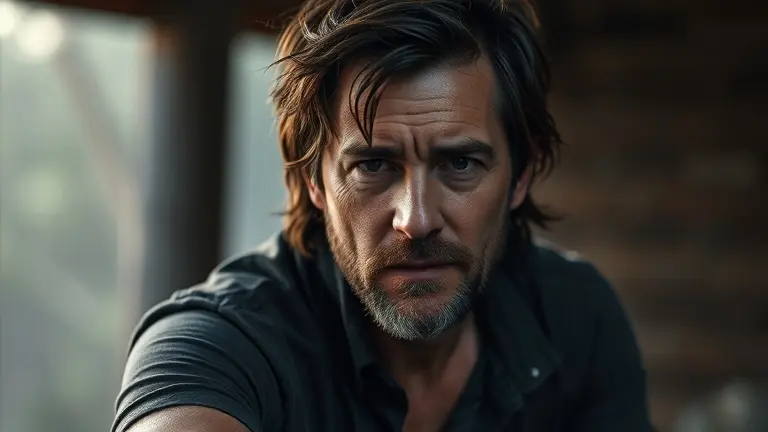
June 19, 2026, marks the end of an era for television history. With the official wrap of production on the fourth and final season of The Walking Dead: Daryl Dixon, fans across the globe are grappling with the conclusion of Norman Reedus’s incredible 16-year journey. From his humble, crossbow-wielding debut in the early days of the apocalypse to his evolution into a global icon of survival and stoic leadership, Daryl Dixon has been more than a character—he has been the heartbeat of an entire franchise. As social media ignites with heartfelt tributes and nostalgic reflections, it is clear that Reedus didn’t just play a role; he defined a generation of storytelling.
This milestone serves as the perfect catalyst for a deeper look at what made this character resonate so profoundly with viewers for nearly two decades. Beyond the plot twists and high-stakes drama, it was Daryl’s unwavering commitment to his craft and his resourceful, hands-on approach to survival that captured our imaginations. In this retrospective, we move past the headlines to explore the enduring legacy of Norman Reedus’s performance and why the spirit of the survivor is something we are all still learning to embody in our own lives.
The End of an Era: Norman Reedus Wraps ‘The Walking Dead: Daryl Dixon’

The television landscape shifted significantly on June 19, 2026, as Norman Reedus officially wrapped production on the fourth and final season of The Walking Dead: Daryl Dixon. This milestone signals the conclusion of an incredible 16-year tenure for Reedus, who first stepped into the boots of the crossbow-wielding survivor in 2010. What began as a breakout supporting role in the original The Walking Dead series evolved into a global cultural phenomenon, with Daryl Dixon serving as the undisputed emotional anchor of the entire franchise. As cameras stop rolling for the final time, the industry is reflecting on a rare, long-form character arc that has defined a generation of post-apocalyptic storytelling.
A Heartfelt Farewell to a Global Icon
Following the final shoot, Norman Reedus took to social media to share his reflections, noting that this specific farewell “hits just way different this time.” The sentiment quickly resonated across platforms like X and Threads, where fans shared their own journeys of growing up alongside the character. The outpouring of support underscores the deep connection viewers formed with Daryl, whose transformation from a volatile outsider to a protective leader mirrored the franchise’s own evolution.
Key highlights of this transition period include:
- The Finality of the Narrative: The decision to conclude the Daryl Dixon spin-off with its fourth season ensures a focused, definitive ending for the character rather than a lingering, open-ended exit.
- Cultural Impact: Over 16 years, Reedus has successfully transitioned from a cult-horror favorite into one of the most recognizable international television icons.
- Fan Engagement: The viral reaction to the wrap-up serves as a testament to the enduring loyalty of the Walking Dead community, even as the flagship universe prepares for a post-Daryl future.
While the conclusion of this series leaves a void in the franchise, it simultaneously opens the door for new speculative discussions regarding the future of the Walking Dead universe. As Reedus hangs up his crossbow, the legacy of Daryl Dixon remains solidified as one of the most significant character-driven achievements in modern television history.
The Legacy of Daryl Dixon: 16 Years of Survival

When Norman Reedus first stepped into the shoes of Daryl Dixon in 2010, the character was initially introduced as a volatile, abrasive outsider—a sidekick defined by his crossbow and his temper. Over the course of 16 years, this portrayal underwent one of the most compelling character arcs in modern television history. Reedus masterfully stripped away the character’s hardened exterior, revealing a man defined not by his aggression, but by an unwavering capacity for loyalty and sacrifice. This transformation from a fringe survivor to the ultimate moral compass of The Walking Dead universe cemented Reedus as the face of a television phenomenon, bridging the gap between cult-horror roots and mainstream icon status.
From Outsider to Moral Anchor
The evolution of Daryl Dixon mirrors the expansion of the franchise itself. As the stakes grew higher and the world became increasingly unforgiving, Daryl became the constant that kept the audience anchored. Reedus’s performance relied on understated intensity and non-verbal storytelling, a necessity born from a character who rarely vocalized his internal pain. Key milestones in this arc include:
- The Protective Brother: His growth from being overshadowed by Merle to becoming a mentor figure for characters like Carol Peletier and Judith Grimes.
- The Emotional Evolution: Reedus shifted the character’s demeanor from defensive combativeness to a position of leadership, often serving as the surrogate patriarch for the group.
- Cultural Impact: Daryl’s trajectory from an original series regular to the lead of his own spin-off series, The Walking Dead: Daryl Dixon, demonstrated the immense fan dedication that kept the franchise alive for over a decade.
By the time production wrapped on the fourth season of his successful spin-off, it became clear that Daryl Dixon had transcended the medium. Reedus successfully navigated the transition from a genre-specific actor to a global household name, leaving behind a legacy where the character is remembered as the beating heart of a post-apocalyptic saga that defined a generation of entertainment.
Why Daryl Dixon Became the Heart of The Walking Dead
When Norman Reedus first stepped onto the screen as Daryl Dixon, few could have predicted that the volatile, crossbow-wielding outsider would become the definitive soul of The Walking Dead franchise. Unlike many protagonists defined by grand speeches or clear moral binaries, Daryl’s journey was rooted in the slow, agonizing evolution from a defensive loner to a protector of the collective. His arc is a masterclass in narrative patience, centering on the themes of unspoken trauma and the radical act of choosing family in a world that consistently demands selfishness.
The Power of Stoic Evolution
Daryl’s resonance with global audiences stemmed from his inherent authenticity. He did not need to articulate his pain to make it felt; his stoic silence served as a mirror for the audience’s own struggles with grief and identity. By stripping away the performative nature of traditional heroism, the writers allowed Daryl to embody the concept of the “found family”—a group bound not by blood, but by shared survival and unconditional loyalty. Key factors that solidified his status as the series’ heart include:
- Redemption Through Action: Daryl consistently sacrificed his personal safety for others, proving that his rough exterior was merely a shell for a deeply empathetic spirit.
- Relatability in Struggle: His history of abuse and marginalization gave him a unique perspective on human suffering, making his moments of vulnerability feel earned rather than forced.
- Narrative Consistency: Over 16 years, Reedus maintained a steady, grounded portrayal that allowed fans to “grow up” alongside the character, creating an emotional attachment rarely seen in modern television.
Ultimately, Daryl Dixon became the barometer for the show’s moral center. While other characters fluctuated between extremes, Daryl remained the anchor—the one survivor who never forgot where he came from while constantly fighting for a future worth inhabiting. As the spin-off officially concludes, it is clear that his legacy is not just about survival, but about the enduring power of human connection amidst the collapse of society.
Reflecting on the Fan Experience: Growing Up with the Apocalypse

For nearly two decades, Norman Reedus has occupied a unique space in the cultural zeitgeist, evolving from a cult-horror favorite into the definitive face of the post-apocalyptic genre. As production officially wraps on The Walking Dead: Daryl Dixon, the emotional weight of this transition is felt deeply by a fanbase that has quite literally grown up alongside the character. For many, Daryl Dixon was more than a fictional survivor; he was a constant companion who navigated grief, trauma, and identity alongside them throughout formative years. The parasocial bond formed between Reedus and his audience is characterized by a profound sense of loyalty, fueled by the actor’s raw, vulnerable portrayal of a man finding his humanity in a broken world.
The Soundtrack of a Generation
The influence of the franchise transcends the screen, as fans frequently cite the series as the “soundtrack” of their lives, marking major milestones with the rise and fall of the zombie apocalypse. Social media discourse across platforms like X and Threads highlights a communal nostalgia, with many viewers noting how the resilience of Daryl Dixon provided a blueprint for navigating their own personal hardships.
- The Evolution of Resilience: Fans have watched Daryl move from a volatile loner to a mentor and leader, mirroring the maturation of the audience itself.
- A Shared Language of Survival: The “Daryl effect” helped destigmatize the concept of the “outsider,” proving that empathy is the ultimate survival tool.
- Generational Impact: As the series concludes its 16-year run, it leaves behind a legacy where new viewers are discovering the series, ensuring the cycle of fandom continues.
As the curtain closes on this chapter, the takeaway for the next generation is clear: stories that center on genuine, flawed humanity remain timeless. While the franchise prepares for a future beyond Daryl Dixon, the cultural footprint left by Norman Reedus serves as a testament to the power of long-form character development and the lasting connection between an actor and his audience. The sentiment is unanimous—while the filming has stopped, the impact on the viewer experience remains permanently etched into the history of modern television.
Carving Your Own Path: The Survivor’s Legacy
As the sun sets on sixteen years of Norman Reedus embodying Daryl Dixon, we are left with more than just memories of a fictional hero; we are left with a blueprint for resilience. Daryl taught us that survival isn’t just about avoiding threats, but about the quiet mastery of one’s environment and the unwavering dedication to craft. Whether it was the maintenance of his signature crossbow or the way he navigated the harsh landscapes of a broken world, Daryl’s spirit was defined by a hands-on, resourceful mindset that demanded precision and grit.
You don’t need a zombie apocalypse to cultivate that same survivor’s spirit. Many of us find that same sense of grounded fulfillment by stepping away from the screen and into the workshop. Just as Daryl built his legacy through self-reliance, you can channel your creative energy into mastering the art of craftsmanship. This is where the true survivalist ethos lives—taking raw materials and shaping them into something enduring, reliable, and uniquely yours.
If you have ever admired the quiet competence that made Daryl Dixon the heart of the series, now is the time to bring that focus into your own life. Our curated collection offers the exact blueprints and expert guidance you need to tackle any project with the technical certainty of a master maker, eliminating the guesswork that keeps your best ideas from becoming reality. It is time to stop watching and start building your own legend.
 Channel your inner survivor: Access the exact blueprints you need to build your own legacy and master your craft today.Start Building My Legacy Now!