

The anticipation surrounding BC Place has reached a fever pitch, with the entire nation’s eyes fixed on one name: Alphonso Davies. After being sidelined for Canada’s World Cup opener against Bosnia and Herzegovina, the star winger’s return to the roster for the clash against Qatar is not merely a personnel update—it is a strategic pivot that changes the very DNA of Jesse Marsch’s attacking transition. With his recovery from a hamstring injury now clear, the debate has shifted from his availability to his optimal tactical deployment.
Beyond the simple question of whether he starts or comes off the bench, Davies represents the ultimate vertical threat that Canada lacked in their initial draw. His presence forces Qatar’s defensive line to retreat, creating pockets of space that open up the entire field. As we analyze how his speed and tactical intelligence will dictate the tempo of this critical group stage match, we are reminded that elite performance is built on more than just skill; it is built on the metabolic capacity to sustain explosive energy when the match is on the line.
Alphonso Davies’ Return: The Impact on CanMNT’s World Cup Strategy
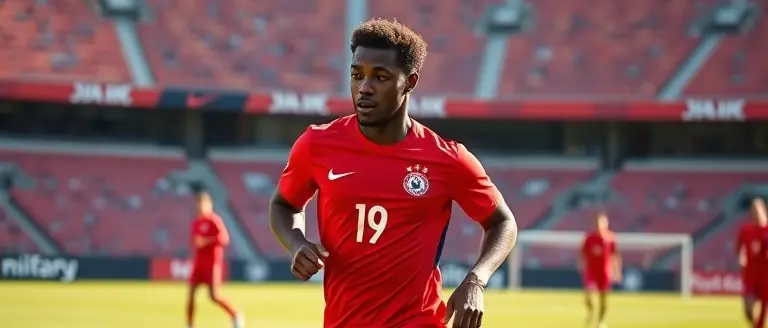
The confirmation that Alphonso Davies has been medically cleared to return for the second match of the 2026 FIFA World Cup has ignited a wave of optimism across Canada. After being sidelined for the opening 1-1 draw against Bosnia and Herzegovina due to a lingering hamstring injury, the star winger’s availability for the clash against Qatar at BC Place changes the tactical complexion of the tournament for the host nation. Head coach Jesse Marsch has officially granted the green light, ending days of intense speculation regarding the severity of Davies’ recovery and his readiness to perform on the global stage.
Tactical Reintegration and Offensive Shape
The return of Davies provides Marsch with significantly more flexibility in how the CanMNT approaches its attacking transitions. Without his pace on the flank in the tournament opener, Canada struggled to stretch the opposition’s defensive line, often relying on more central, congested play. With Davies back in the fold, the team gains a world-class outlet capable of isolating defenders and forcing opposing systems to collapse toward his side of the pitch.
Key strategic considerations for his return include:
- Tactical Versatility: Whether utilized as a traditional left-back in a defensive-heavy formation or pushed into a more aggressive, advanced wing role, Davies forces Qatar to account for his recovery speed during their own counter-attacks.
- Psychological Edge: Beyond his technical output, Davies’ presence serves as a massive boost for team morale, shifting the narrative from injury management to tournament momentum.
- Game Management: Marsch faces the delicate balance of managing Davies’ match fitness. While fans are clamoring for a full 90-minute performance, the coaching staff will likely prioritize tactical efficiency, potentially using him as an explosive playmaker to exploit tiring legs in the second half.
As Canada looks to secure a crucial three points in Vancouver, the deployment of Davies will serve as a bellwether for the team’s long-term ambitions in this FIFA World Cup. His ability to influence the transition phase remains the primary engine for the Canadian offense, and his return marks the beginning of the home team’s true offensive push in this group stage.
Tactical Evolution: How Davies Reshapes Canada’s Attacking Shape

The return of Alphonso Davies to the Canadian Men’s National Team (CanMNT) lineup for the crucial clash against Qatar at BC Place marks a definitive tactical shift from the conservative approach seen in the opening draw against Bosnia and Herzegovina. Without Davies, Canada lacked the verticality required to punish defensive transitions, often forced to recycle possession through the middle. With his presence on the left flank, head coach Jesse Marsch regains an elite outlet capable of single-handedly stretching the opponent’s defensive block. Davies functions as more than just a wide player; his recovery speed allows Canada to maintain a high defensive line, knowing that his recovery pace provides a natural safety net during counter-attacks.
Overloads and Attacking Synergy
The tactical synergy between Alphonso Davies and the midfield core is expected to revolve around creating numerical superiorities in the final third. By hugging the touchline, Davies pulls the opposing right-back out of position, which naturally creates pocket space for inside forwards and overlapping central midfielders. His return facilitates:
- Width Expansion: Davies forces Qatar to play with a wider defensive structure, creating gaps in the half-spaces for creative midfielders to exploit.
- Offensive Transition: His world-class recovery and carry distance turn defensive clearances into immediate scoring opportunities, shifting the momentum of the game instantly.
- Defensive Stability: Even when not in possession, his gravity as a threat forces opponents to dedicate two players to his flank, reducing the pressure on Canada’s central defensive axis.
Whether he starts or enters as a game-changing substitution, Davies remains the fulcrum of Canada’s 2026 World Cup ambitions. His ability to manipulate the defensive shape provides the strategic flexibility necessary to break down disciplined opponents, transforming Canada from a reactive side into a proactive, possession-dominant force.
Canada vs. Qatar: Breaking Down the Matchup with a Dynamic Threat

Exploiting Defensive Gaps with Tactical Speed
The return of Alphonso Davies to the CanMNT roster for the 2026 FIFA World Cup clash against Qatar introduces a massive tactical shift for head coach Jesse Marsch. Qatar has historically struggled against high-intensity transitions, particularly when opposing wing-backs overload the wide channels. Evidence suggests that Davies’ ability to progress the ball through individual dribbling creates a “gravity effect,” pulling defensive midfielders out of position to track his runs. This displacement opens pockets of space in the half-spaces, providing Canada’s creative midfielders the necessary room to exploit Qatar’s defensive line, which has shown a propensity for becoming disjointed when forced to rotate quickly under pressure.
Strategic Deployment: Starter vs. Impact Substitute
The decision regarding Davies’ deployment hinges on whether Marsch prioritizes early control or a late-game surge. Analyzing his fitness following his hamstring injury, the team faces a significant strategic trade-off:
- Starting XI Utility: Deploying Davies from the opening whistle forces Qatar to adopt a more conservative low-block, potentially stifling their ability to counter-attack. This limits the opposition’s offensive output but carries the risk of re-aggravating the injury if the match pace is too high early on.
- The Impact Substitution: Utilizing Davies in the final 30 minutes acts as a “chaos agent.” Against a tiring Qatari defense, his fresh legs could prove decisive in breaking down a compact low-block. This approach allows Canada to maintain tactical discipline for the first hour while keeping an explosive offensive weapon in reserve to secure a late win or equalizer.
Regardless of the role, Davies remains the focal point of Canada’s attacking shape. His presence on the pitch fundamentally alters how Qatar must defend, forcing them to dedicate extra personnel to his side of the field, which in turn creates 1v1 opportunities for other Canadian attackers elsewhere. As the tournament progresses, how the coaching staff manages his minutes will be as critical as the result itself.
The Burden of Expectation: CanMNT’s Co-Host Momentum

The return of Alphonso Davies to the Canadian Men’s National Team (CanMNT) roster is far more than a routine injury update; it is a psychological inflection point for a nation hosting the 2026 FIFA World Cup. After missing the opening draw against Bosnia and Herzegovina, the star winger’s availability for the match against Qatar at BC Place acts as a catalyst for both the squad and the domestic fanbase. As the face of Canadian soccer, Davies carries the weight of massive national expectations, and his presence on the pitch fundamentally shifts the team’s tactical ceiling.
Psychological Impact and Tactical Shifts
The boost provided by Davies transcends his technical contributions. His presence in the locker room and on the training ground serves as a signal of intent for a young squad adjusting to the pressures of a home tournament. From a tactical perspective, his availability provides head coach Jesse Marsch with the flexibility to dictate the tempo of offensive transitions.
- Tactical Versatility: Whether deploying Davies as an aggressive wing-back or a traditional winger, his recovery speed and ball-carrying ability force opponents to prioritize defensive structure, thereby creating pockets of space for secondary attackers.
- National Morale: The social media sentiment, characterized by the viral surge of support for the “Captain’s return,” highlights the deep connection between the team’s performance and Canadian national pride.
- High-Stakes Performance: Playing at BC Place necessitates an aggressive approach. Davies’ ability to draw defenders and break lines is essential for penetrating Qatar’s defensive block, turning a high-pressure environment into a home-field advantage.
Evidence suggests that when Davies is on the field, the team’s defensive line plays with more confidence, knowing their transition game is protected by world-class pace. His return is not just about individual skill—it is about restoring the core identity of the CanMNT during this pivotal World Cup campaign.
Fueling Your Personal Performance Goals
Whether Alphonso Davies dominates the pitch from the starting whistle or acts as a second-half spark, his presence alone fundamentally alters Canada’s tactical transition. His ability to turn defensive shape into explosive offensive movement is a masterclass in elite athletic output. However, even the world’s most gifted players rely on superior metabolic efficiency and sustained energy to execute at such high speeds, a principle that applies equally to your own daily ambitions.
Just as Davies relies on elite physical conditioning to drive Canada’s counter-attacks, maintaining your own energy levels and metabolic health is crucial for staying active and reaching your personal goals. You don’t need to be a professional athlete to appreciate the value of consistent, steady vitality. This is where metabolic optimization becomes the secret weapon for your high-intensity lifestyle.
By supporting your body’s natural energy production without the crash associated with harsh stimulants, you can achieve a new level of physical endurance. CitrusBurn is designed to be that performance accelerator, mirroring the metabolic demands of professional soccer by helping your body run cleaner and longer. Optimize your own engine to match the pace of the game; discover how CitrusBurn supports sustained physical intensity.
 Optimize your own engine to match the pace of the game; discover how CitrusBurn supports sustained physical intensity.Transform My Energy Today!