
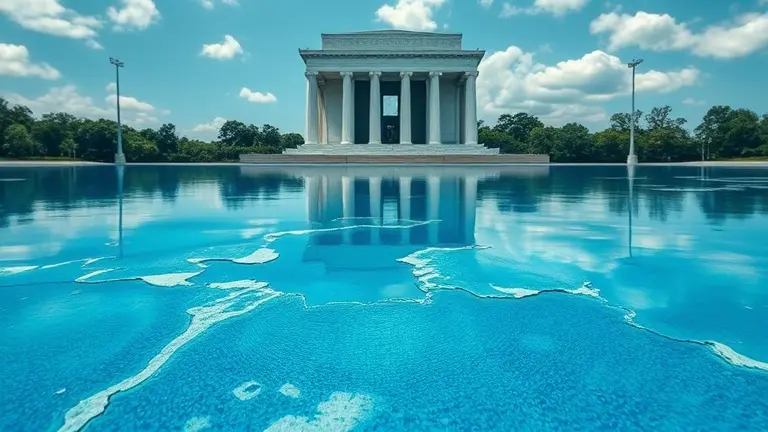
When a $14 million renovation project at the Lincoln Memorial Reflecting Pool began showing signs of systemic failure just two weeks after completion, it wasn’t just paint that started peeling—it was the public’s confidence in government oversight. Viral images surfacing in June 2026 revealed large segments of the “American Flag Blue” coating drifting aimlessly in algae-choked water, transforming a national landmark into a symbol of bureaucratic negligence. While officials scrambled to spin the narrative, the reality on the ground—confirmed by tourists and news outlets alike—pointed to a more troubling technical reality: a catastrophic mismatch between the chosen materials and the harsh chemical treatments used to combat the pool’s chronic algae blooms.
This isn’t merely a political controversy; it is a textbook case of infrastructure failure driven by poor material specifications and the fatal decision to cut corners on technical due diligence. When high-profile contractors fail to account for basic chemical compatibility or environmental variables, the result is as predictable as it is expensive. The disaster at the Reflecting Pool serves as a stark reminder that even the most ambitious projects will crumble if the foundation—and the planning behind it—is fundamentally flawed. To understand why this occurred, we must look beyond the outrage and examine the critical importance of precision in every construction endeavor.
The Lincoln Memorial Reflecting Pool Renovation Failure: A Timeline of Events
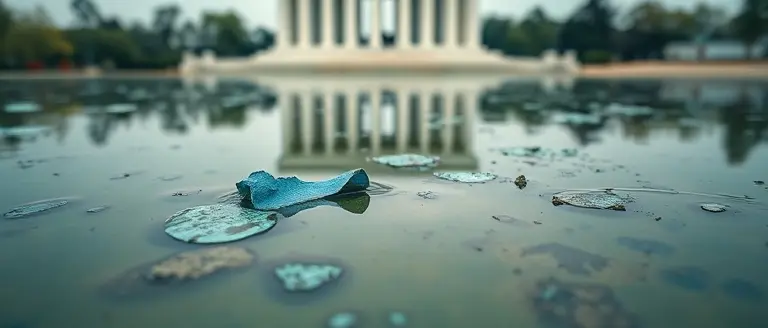
The $14 million renovation of the Lincoln Memorial reflecting pool was intended to restore the site to its former grandeur, but the project quickly devolved into a public relations and infrastructure crisis. Following its highly anticipated reopening on June 6, 2026, the pool’s floor was coated in a vibrant “American Flag Blue” finish. However, joy was short-lived, as reports of reflecting pool paint peeling emerged less than two weeks later. By mid-June, segments of the specialized coating were visibly detaching from the pool floor, leaving large, unsightly patches floating in the water.
The Rise of Viral Backlash
On June 18, 2026, the situation reached a breaking point as the narrative shifted from a local maintenance issue to a national story. Major outlets, including Reuters, USA Today, and CNN, broadcast footage showing 2- to 3-foot sections of the blue coating drifting through algae-tinted water. This visual evidence sparked intense scrutiny regarding the following:
- Financial Accountability: Critics demanded transparency regarding how a $14 million budget could yield such rapid structural failure.
- Chemical Incompatibility: Experts began questioning whether the specific paint formulation was chemically compatible with the hydrogen peroxide treatments used to mitigate recurring algae blooms.
- Narrative Discrepancies: A significant point of contention arose when government officials issued statements claiming the water remained “crystal clear,” directly contradicting the viral videos and photographic evidence captured by tourists and journalists at the site.
The disconnect between official messaging and the reality on the ground has fueled widespread public frustration. As stakeholders investigate the procurement process and contractor specifications, the failure serves as a stark reminder of the complexities involved in maintaining historic infrastructure, particularly when aesthetic upgrades clash with the harsh realities of chemical water treatment.
Chemical Incompatibility: Did Hydrogen Peroxide Compromise the Coating?
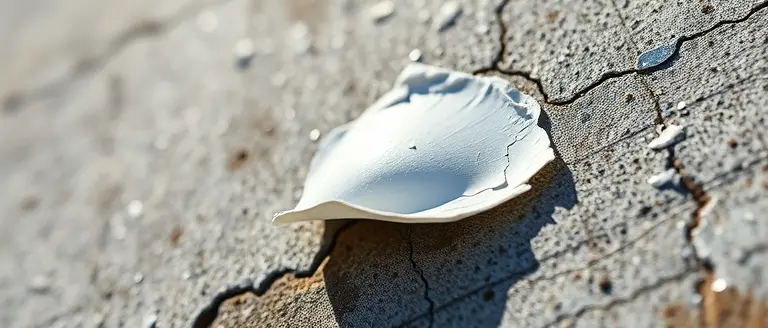
The premature reflecting pool paint peeling observed shortly after the $14 million renovation has sparked intense speculation regarding the chemical stability of the new “American Flag Blue” coating. A primary technical concern involves the interaction between industrial-grade epoxy sealants and the potent oxidizing agents required to maintain the pool’s aesthetics. The National Park Service utilizes hydrogen peroxide as an algaecide to suppress blooms, but chemical engineering principles suggest that such high-oxidation environments can severely compromise the structural integrity of polymeric coatings if the materials are not explicitly rated for these conditions.
Oxidative Stress and Curing Failures
When an epoxy or acrylic coating is subjected to hydrogen peroxide, the chemical reaction can initiate premature degradation of the polymer matrix. If the reflecting pool renovation team failed to allow for a sufficient curing period before introducing these chemical treatments, the moisture and active oxygen molecules could have penetrated the microscopic pores of the paint. This would lead to:
- Bond failure: The weakening of the adhesive layer between the substrate and the coating, causing the noted 2- to 3-foot sheets of paint to delaminate.
- Oxidative embrittlement: The breakdown of chemical bonds within the paint itself, resulting in a loss of elasticity and increased susceptibility to cracking under hydraulic pressure.
- Surface blistering: Trapped volatile compounds or water vapor prevented from escaping during the rapid drying process, further exacerbated by the aggressive chemical treatments.
Expert consensus points toward a potential oversight in the procurement process, specifically regarding the compatibility of the selected sealant with the specific maintenance chemicals in use. If the specifications for the paint did not account for the high-intensity chemical environment of the reflecting pool, the result would be the immediate infrastructure failure seen across news reports. Whether through contractor negligence or a failure in material selection, the rapid peeling suggests that the chemical treatment schedule was fundamentally incompatible with the chemical composition of the coating.
Investigating Contractor Specifications and Material Selection

The immediate, widespread failure of the reflecting pool renovation raises fundamental questions regarding the procurement standards and oversight protocols applied to the $14 million project. Engineering experts are now scrutinizing the specifications requested for the “American Flag Blue” coating, specifically whether the chosen material was rated for high-traffic, outdoor aquatic environments subject to extreme temperature fluctuations and rigorous chemical treatments. Given that the reflecting pool paint peeling occurred within mere days of the reopening, it appears highly probable that a critical mismatch exists between the coating’s chemical composition and the harsh maintenance regimen required for this site.
The Chemical Incompatibility Hypothesis
A primary area of concern involves the interaction between the pool’s surface coating and the hydrogen peroxide used to mitigate algae growth. While hydrogen peroxide is an industry-standard oxidizer for clear water maintenance, it creates a chemically aggressive environment that can compromise sub-par synthetic coatings.
- Material Fatigue: Standard paints often lack the hydrophobic and abrasion-resistant properties required to withstand constant submersion in chemically treated water.
- Application Environment: The fast-tracked timeline of the renovation may have precluded essential curing times, potentially leading to immediate adhesion failure.
- Contractor Accountability: Oversight committees must now audit whether the selected contractors conducted representative field testing on the specific concrete substrate of the monument floor.
Professional infrastructure projects of this magnitude typically mandate rigorous durability testing; however, the rapid deterioration suggests that the vetting process for material specifications may have been insufficient. Moving forward, the investigation must determine if the procurement requirements emphasized aesthetic appearance over the structural integrity needed for a landmark water feature. If the material was not specifically certified for a chemically treated, high-exposure outdoor pool, the responsibility for this failure may fall on both the oversight agency and the contractors who certified the suitability of the product.
Path to Remediation: Lessons for Public Infrastructure Oversight

The premature degradation of the Lincoln Memorial Reflecting Pool serves as a stark case study in the perils of expedited public works projects. With reports of reflecting pool paint peeling appearing just two weeks after the project’s high-profile completion, the path to remediation now requires more than a simple patch job. Stakeholders must initiate a comprehensive forensic audit to determine whether the failure resulted from material incompatibility—specifically the interaction between the “American Flag Blue” coating and the hydrogen peroxide used for algae control—or if poor surface preparation by contractors undermined the structural integrity of the application. Given the $14 million investment of taxpayer funds, legal departments will likely need to evaluate contract clauses regarding performance warranties and the liability of the firms involved, potentially leading to expensive litigation or the mandatory re-bidding of remedial services.
Improving Oversight for Future Projects
To avoid similar infrastructure failures, government agencies must shift away from “quick-fix” mentalities and implement more rigorous procurement standards. Transparency is paramount; when agencies attempt to mask failures, as observed with conflicting reports regarding water clarity, they erode public trust and delay necessary repairs. A robust roadmap for future public infrastructure management should include:
- Pilot Testing: Mandating small-scale, real-world stress testing of all materials—including specialty paints and anti-algae chemical treatments—before applying them to massive, high-profile surfaces.
- Independent Vetting: Utilizing third-party material scientists to verify the chemical compatibility of coatings with existing maintenance protocols, ensuring the chosen products can survive the environmental stressors of the D.C. climate.
- Performance-Based Contracts: Implementing stricter milestone payments that are contingent upon the long-term durability of the work, rather than immediate completion dates.
- Honest Public Disclosure: Adopting a policy of proactive transparency, where potential risks and inevitable maintenance challenges are disclosed to the public before they become viral spectacles of negligence.
Ultimately, the failure at the Reflecting Pool highlights a systemic need for better project oversight. By prioritizing long-term durability over optics, the government can ensure that public funds are utilized effectively, preserving these historic monuments for future generations without the constant cycle of costly and visible repair failures.
Building Right: Avoiding the Blueprint of Failure
The collapse of the Lincoln Memorial Reflecting Pool renovation provides a sobering lesson for anyone involved in construction: when you neglect the technical details and ignore material compatibility, you are essentially paying for a future disaster. Whether you are managing a massive public infrastructure project or embarking on a passion project at home, the margin for error is non-existent. Professionalism isn’t just about the budget; it is about the foresight to select the right components and follow a verified, foolproof process from day one.
The Reflecting Pool disaster highlights a universal truth in any building project: when you skip the technical details or use the wrong specifications, you are destined for a ‘peeling’ failure. Whether you are managing a national monument or a weekend home improvement project, you need the right blueprint from the start. That is exactly why Ted’s Woodworking exists—to provide the clarity and precision that high-priced contractors so often lack. By focusing on detailed, step-by-step guidance, this resource ensures that your projects stand the test of time, eliminating the guesswork and material incompatibility that lead to costly headaches.
By contrasting the disastrous, high-budget public renovation with the professional, detail-oriented approach found in these verified project plans, you gain the expertise needed to ensure your own work remains flawless. You don’t need a multi-million dollar budget to achieve professional results; you simply need the right plan. Stop letting poor planning dictate the lifespan of your work and start building with the confidence that comes from expert-backed instructions.
 Stop guessing with your projects and start building with professional-grade blueprints. See how the right plan saves you time, money, and future headaches here.Yes, I Want To Build It Right Now!