
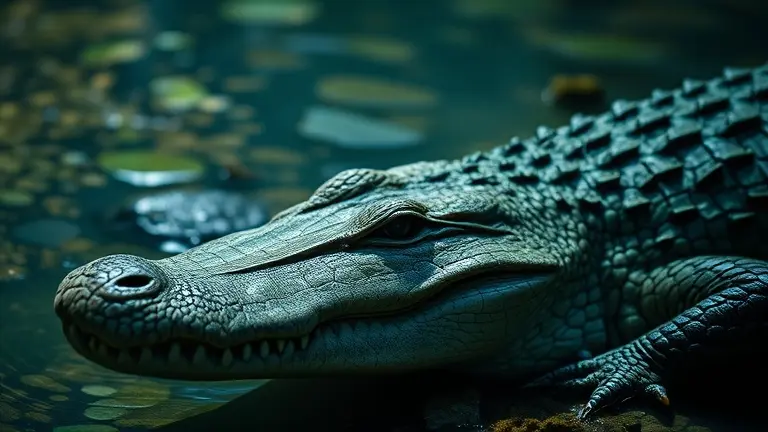
Recent headlines involving dangerous incidents at wildlife enclosures have understandably dominated the news cycle, shifting public focus from appreciation to urgent concern. While it is natural to be drawn to the drama of breaking news, these events serve as a critical reminder of the importance of rigorous zoo accreditation and the safety protocols that define ethical wildlife tourism. Beyond the sensationalism lies a vital conversation about the standards required to protect both visitors and the majestic species we seek to admire. Truly responsible wildlife viewing is not a matter of chance; it is the result of meticulous planning, professional oversight, and an unwavering commitment to structural integrity.
As we reflect on the realities of modern zoos and sanctuaries, we must demand a higher standard for the environments in which these animals live and where the public observes them. Understanding how an enclosure is safely designed—from the strength of the barriers to the environmental enrichment provided—is the key to discerning between world-class, accredited institutions and those that fall short. By pivoting our focus toward these professional benchmarks, we can ensure that our curiosity remains grounded in respect for life and a deep appreciation for the complex, expert engineering required to keep wildlife habitats secure.
Understanding Recent Wildlife Enclosure Safety Incidents
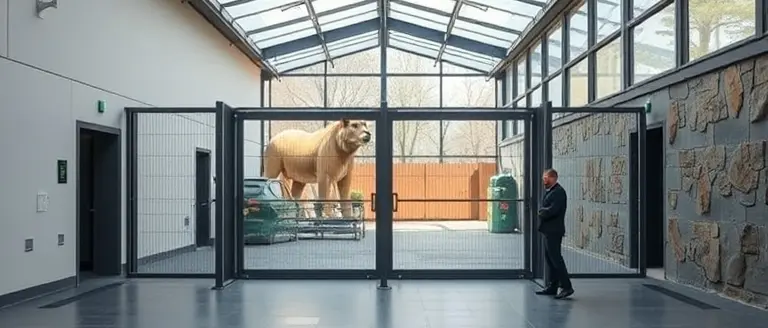
The recent reports of a toddler being placed into a crocodile enclosure at an English zoo have understandably caused significant public alarm and sparked a global conversation regarding visitor safety protocols at wildlife facilities. While such incidents are profoundly disturbing, it is essential for the public to recognize that they represent extreme anomalies rather than systemic failures within the zoological community. Modern zoos and aquariums that maintain high standards of operation are designed with multiple layers of containment, specifically engineered to prevent unauthorized contact between the public and apex predators. These incidents are almost invariably linked to intentional human interference or criminal actions, which can bypass even the most rigorous security frameworks.
The Role of Rigorous Safety Protocols
To maintain a safe environment, reputable zoos implement a multi-layered defense strategy. When evaluating whether a facility is safe for your family, look for credentials from reputable organizations such as the Association of Zoos and Aquariums (AZA) or the European Association of Zoos and Aquaria (EAZA). These bodies mandate strict infrastructure standards, including:
- Physical Barriers: Utilizing reinforced glass, high-tensile fencing, and strategic standoff distances that prevent physical reach into animal exhibits.
- Constant Surveillance: Real-time monitoring of high-risk enclosures by security personnel and integrated camera systems.
- Signage and Education: Clear, highly visible warnings that educate guests on the boundaries of the habitat and the inherent risks of crossing them.
- Staff Training: Specialized emergency response protocols designed to mitigate risks instantly should a breach occur, prioritizing the protection of human life and animal welfare.
Rather than viewing these rare events as a sign that wildlife viewing is inherently dangerous, visitors should use this time to reflect on the importance of choosing accredited facilities. Ethical wildlife tourism is built upon the dual commitment of animal welfare and public protection. By supporting institutions that prioritize both, visitors contribute to the necessary oversight that keeps these impressive creatures contained while allowing for safe, educational, and awe-inspiring encounters. Promoting a culture of responsible observation remains the best way to honor the intent behind educational initiatives like World Crocodile Day, moving the narrative from morbid sensationalism toward a deeper, safer appreciation for these ancient reptiles.
How to Vet a Wildlife Sanctuary or Zoo: A Guide for Responsible Travelers
When planning a visit to see crocodiles or other apex predators, discerning between a world-class educational facility and a risky roadside attraction is essential for both your safety and the welfare of the animals. Recent events have highlighted that not all wildlife exhibits maintain the same rigorous standards. As a responsible traveler, your first step should always be to verify professional accreditation. Organizations such as the Association of Zoos and Aquariums (AZA) in the United States or the European Association of Zoos and Aquaria (EAZA) set the global gold standard for animal care, veterinary protocols, and, crucially, visitor safety barriers.
Why Accreditation Matters for Visitor Safety
Accreditation is far more than a badge of honor; it is a rigorous, evidence-based review process that ensures an institution adheres to strict operational guidelines. Facilities that lack these credentials often operate with minimal oversight, which can lead to inadequate enclosure design, poorly trained staff, and lax public safety measures. When you choose an accredited zoo, you are supporting an institution that undergoes periodic, unannounced inspections to ensure that hazardous species are housed behind fail-safe barriers and that staff are trained to manage high-stress scenarios.
To ensure your next wildlife excursion is ethical and secure, use this vetting checklist:
- Verify Accreditations: Check the official websites of the AZA or EAZA to see if the facility is listed as a member.
- Observe Barrier Integrity: Look for multi-layered protection, such as secondary fencing or natural moats that prevent direct physical contact between the public and dangerous wildlife.
- Evaluate Educational Focus: Reputable zoos prioritize conservation, biology, and habitat preservation over “petting” or “hands-on” experiences with predatory animals, which are inherently dangerous and unethical.
- Review Transparency: Legitimate sanctuaries are transparent about their sourcing, their conservation funding, and their animal management protocols.
By prioritizing these standards, you shift your focus from passive consumption to conscious, responsible wildlife tourism. Supporting facilities that meet these high benchmarks ensures you are not just a spectator, but an advocate for the well-being of the species and the safety of the public.
Beyond the Headlines: The Vital Role of Crocodile Conservation
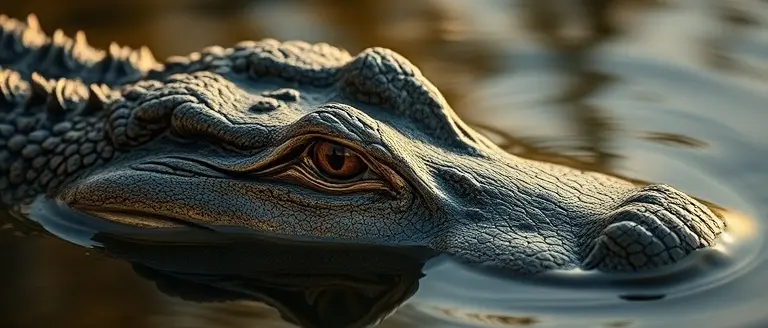
While recent media cycles have focused on the dangers of captive environments, it is essential to pivot our perspective toward the biological and ecological importance of crocodiles. Observed annually on June 17th, World Crocodile Day highlights these reptiles as critical apex predators. Their presence in an ecosystem is a hallmark of environmental health, as they regulate prey populations and maintain the structural integrity of wetlands, rivers, and coastal habitats. By controlling populations of fish and invasive species, crocodiles prevent the overgrazing of aquatic vegetation, which in turn supports biodiversity across complex ecosystems.
Biological Resilience and Ecological Necessity
Crocodiles have survived for over 200 million years, showcasing an unparalleled level of biological resilience. They are not merely “living fossils” but highly adapted organisms whose physiology provides unique insights into evolutionary success. Modern conservation efforts focus on protecting these species from habitat loss, illegal trade, and human-wildlife conflict. Understanding their role is vital for informed wildlife conservation efforts:
- Nutrient Cycling: Crocodiles contribute to nutrient cycling in aquatic environments by moving between land and water, depositing organic matter that fertilizes the ecosystem.
- Habitat Creation: During dry periods, some species dig “alligator holes” or wallows that provide essential water sources and refuges for other aquatic species.
- Biodiversity Indicators: Because they require high-quality, stable habitats, the population density of wild crocodiles serves as a key indicator of environmental stability.
Promoting Ethical Stewardship
True appreciation for these animals comes from supporting institutions that prioritize animal welfare and scientific research. When visiting facilities, the public should prioritize those with recognized accreditation, such as the Association of Zoos and Aquariums (AZA), which mandate rigorous safety protocols and ethical standards. By focusing on education and ethical tourism, we can shift the narrative from fear to informed stewardship, ensuring that future generations continue to respect and protect these vital, ancient creatures in their natural habitats.
Zoo Visitor Safety Guidelines: Protecting Humans and Wildlife
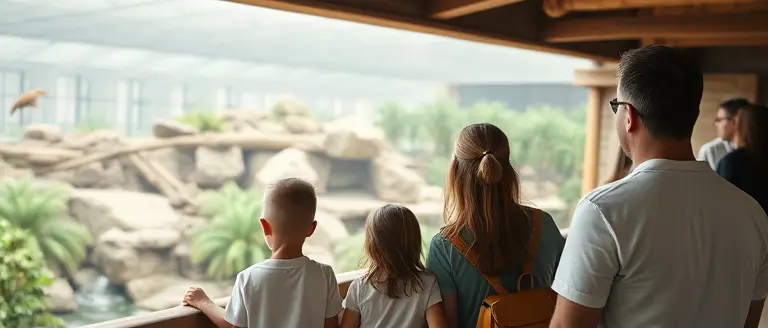
Ensuring safety at wildlife attractions is a shared responsibility that begins with the institution’s infrastructure but relies heavily on visitor compliance. While recent disturbing events involving crocodiles at zoos have sparked valid public concern, it is vital to remember that accredited facilities prioritize rigorous safety protocols designed to protect both the public and the animals. When visiting any zoo or sanctuary, the most effective way to prevent accidents is to recognize that barriers—whether glass, mesh, or moats—are not mere suggestions. They are engineering controls meant to sustain a necessary distance between humans and apex predators. Visitors should always remain on designated paths, keep children within arm’s reach, and strictly adhere to all posted signage, which is carefully calibrated based on the specific behavior and leaping capabilities of the species on display.
Best Practices for Ethical and Safe Wildlife Viewing
To foster a culture of safety and respect, families should treat every wildlife encounter with a proactive mindset. Before booking a trip, look for accreditation from reputable organizations like the Association of Zoos and Aquariums (AZA) or the European Association of Zoos and Aquaria (EAZA). These bodies mandate strict safety audits and welfare standards. Once on-site, consider the following checklist for responsible interaction:
- Respect All Signage: Never climb over railings, touch enclosure glass, or bypass perimeter fences. These are your primary safeguards.
- Supervise Minors Constantly: In high-intensity environments, children should never be left unattended or allowed to climb on viewing structures.
- Observe Quietly: Sudden movements or loud noises can trigger stress-related responses in captive animals, potentially causing them to react defensively or unpredictably.
- Report Concerns: If you observe a visitor behaving recklessly or notice a damaged barrier, immediately alert the nearest staff member. Safety is a collective effort, and early reporting is the most effective deterrent against dangerous incidents.
By prioritizing these guidelines, guests can enjoy educational, high-quality encounters with crocodiles and other wildlife while ensuring that their visit remains safe and ethically sound for all involved parties.
The Foundation of Quality and Security
Whether it is the construction of a secure wildlife enclosure or a personal project in your own workshop, the core principle remains identical: true safety and success are never the product of guesswork. They are the result of adhering to time-tested, professional blueprints designed to mitigate risk and maximize precision. Just as a reputable wildlife facility relies on precise, time-tested blueprints to ensure both animal welfare and visitor safety, any serious builder knows that their best work is built on the quality of the plans they follow.
By choosing to bypass amateur shortcuts in favor of verified, expert-tested methodologies, you gain the peace of mind that comes with professional-grade results. This is where Ted’s Woodworking becomes an essential asset for those who value structure, safety, and precision. With a library of over 16,000 professional-grade plans, you can eliminate the trial-and-error risks that often lead to instability, ensuring that every project you undertake stands on the same foundation of excellence required in the world’s most secure environments.
Apply the same standard of excellence you expect from professional wildlife facilities to your own projects by accessing the library of expert-tested blueprints today.
 Apply the same standard of excellence you expect from professional wildlife facilities to your own projects by accessing the library of expert-tested blueprints today.Yes, I Want to Build with Precision!