

As the New York Mets arrive at Citizens Bank Park this June, the atmosphere is electric with the weight of divisional implications. This three-game series is more than just another date on the calendar; it is a tactical chess match that could define the trajectory of the NL East as we head into the heat of summer. With the spotlight fixed on the high-stakes duel between the Phillies’ Aaron Nola and veteran Sean Manaea, fans are left dissecting every roster adjustment and pitching nuance to gauge who holds the true upper hand in this bitter rivalry.
Analyzing these complex matchups requires more than just a casual glance at the scoreboard; it demands a deep dive into statistical variance, managerial strategy, and the psychological momentum of the game. For the analytical fan, keeping pace with the shifting probabilities while navigating the noise of trade rumors—like those surrounding Bo Bichette and Alec Bohm—is a mental marathon. Success in identifying the next turning point in the division requires absolute clarity and sustained focus, transforming the way you experience the intensity of professional baseball.
Mets vs. Phillies: NL East Rivalry Heats Up at Citizens Bank Park

The Mets vs. Phillies rivalry reaches a fever pitch on June 18, 2026, as the two NL East foes clash at Citizens Bank Park to kick off a pivotal three-game set. With the Phillies holding a 40-34 record and the Mets trailing at 33-41, this series serves as a critical junction for both clubs as they look to solidify their playoff positioning heading into the heat of the summer. The atmosphere in Philadelphia is expected to be electric, given the historical tension between these organizations and the immediate stakes for division standing.
The Pitching Duel: Nola vs. Manaea
The spotlight centers on the mound, where the Phillies will rely on Aaron Nola to stabilize their rotation. Nola enters this contest with a 3-4 record and a 5.86 ERA, accumulating 71 strikeouts on the season. While his ERA reflects some recent inconsistency, his ability to work deep into games remains a hallmark of his career. Opposite him, the Mets counter with veteran left-hander Sean Manaea. Manaea will be tasked with navigating a potent Philadelphia lineup, making his command and efficiency vital to the Mets’ hopes of pulling off an upset in hostile territory.
Roster Speculation and Tactical Shifts
Beyond the box score, internal roster dynamics are dominating the discourse for both fanbases:
- Bo Bichette Rumors: Reports continue to swirl regarding the Mets’ potential interest in Bo Bichette, as the front office looks for offensive reinforcements to spark a turnaround.
- Alec Bohm’s Status: For the Phillies, the health and availability of Alec Bohm remain a central topic of discussion, with team updates closely monitored by fantasy managers and bettors alike.
- Strategic Implications: This series acts as a “prove it” moment for New York, while Philadelphia looks to widen the gap in the division, making every tactical decision from the dugout—from bullpen usage to late-game substitutions—a potential game-changer.
Pitching Analysis: Nola vs. Manaea
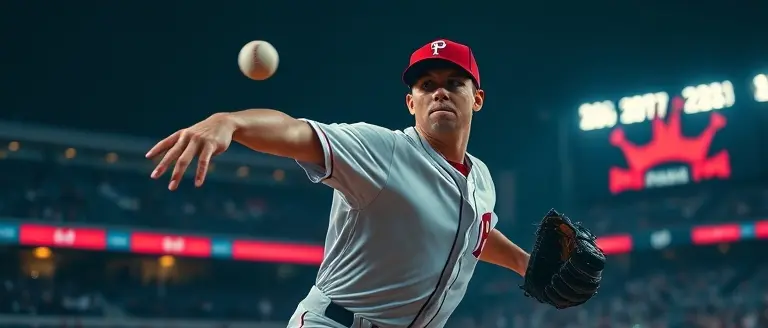
The mets vs phillies series opener at Citizens Bank Park highlights a pivotal tactical clash on the mound. The Philadelphia Phillies enter this matchup relying on Aaron Nola (3-4, 5.86 ERA) to stabilize their rotation. Despite his struggles with command and elevated run prevention this season, Nola remains a strikeout threat, having logged 71 strikeouts to date. His ability to navigate the Mets’ lineup will depend heavily on his pitch sequencing and whether he can keep the ball down in the zone to avoid the long ball, which has been a significant contributor to his current ERA inflation.
Conversely, the New York Mets counter with veteran Sean Manaea, whose strategic approach centers on lateral movement and pitch tunneling to disrupt the rhythm of the Phillies’ power-hitting core. Manaea’s success depends on his effectiveness in forcing weak contact rather than relying solely on pure velocity. By keeping hitters off-balance, he aims to stifle an offense that remains a primary obstacle in the NL East standings.
Tactical Considerations for the Mound
- Nola’s Bounce-back Potential: Aaron Nola must improve his efficiency in high-leverage counts to restore confidence in the Phillies’ starting rotation as they defend their 40-34 record.
- Manaea’s Game Plan: For the Mets, the goal for Manaea is deep-inning endurance, forcing the Phillies to chase pitches out of the zone and neutralizing key threats like Alec Bohm.
- Lineup Adjustments: Both managers are monitoring roster shifts closely, meaning the pitchers must adjust their game plans in real-time based on the specific threats presented by potential new acquisitions or bench rotations.
As the series progresses, the outcome of this specific pitching duel will set the tone for the bullpen usage throughout the week. Evidence suggests that the team that secures the early lead through disciplined plate appearances will force the opponent to exhaust their leverage arms prematurely.
Strategic Decisions: Evaluating Managerial Moves

The Mets vs Phillies series opener at Citizens Bank Park provided a masterclass in modern high-leverage decision-making. As the Philadelphia Phillies sought to capitalize on Aaron Nola’s start, the tactical tug-of-war between the two coaching staffs became the decisive factor in the game’s outcome. Managers were forced to balance the fatigue of mid-June schedules against the immediate necessity of securing an early-series win in a competitive NL East race.
Bullpen Management and High-Leverage Execution
In this matchup, the management of relief arms proved critical. Evidence suggests that the Phillies’ strategy favored quick hooks once their starter faced the top of the New York order for the third time. By deploying high-velocity arms in the seventh and eighth innings, they effectively neutralized potential rallies. Conversely, the Mets faced significant scrutiny regarding their pinch-hitting timing. With the game hanging in the balance, the choice to prioritize defensive stability over aggressive base-running adjustments left several scoring opportunities stranded.
Key strategic observations from the game include:
- Pitcher Efficiency: The reliance on bullpen depth during the late innings shifted the win expectancy, particularly as the Phillies managed their high-leverage relievers to avoid consecutive-day fatigue.
- Defensive Alignment: Both clubs utilized data-driven shifts that limited extra-base hits, though the Phillies appeared more successful in forcing ground-ball contact during critical situations.
- Lineup Adjustments: With ongoing discussions regarding potential roster changes involving Alec Bohm and trade-rumor targets like Bo Bichette, the managers displayed a conservative approach, sticking to their established rotations rather than experimenting with unproven bench depth.
Ultimately, this series opener highlights that divisional dominance in the National League is often determined by these incremental tactical advantages. For both franchises, the ability to optimize player matchups in real-time will remain the primary differentiator as they navigate the rigorous summer schedule.
Impact on NL East Playoff Probabilities

The current mets vs phillies series serves as a crucial barometer for the NL East standings as the league approaches the mid-summer stretch. For the Philadelphia Phillies, entering the series with a 40-34 record, securing wins is vital to maintaining their divisional cushion against surging competitors. Conversely, the New York Mets arrive at Citizens Bank Park with a 33-41 record, facing a high-stakes scenario where every game dictates whether they can climb back into the Wild Card conversation or if they must prepare for a significant mid-season roster overhaul.
Strategic Implications for Divisional Standing
The outcome of this three-game set will ripple through the playoff probability models, which often favor teams that dominate intra-divisional matchups. When evaluating the tactical landscape, we see the following variables at play:
- Pitching Formations: The performance of Aaron Nola (3-4, 5.86 ERA) is a focal point for the Phillies. Should Nola struggle against the Mets’ lineup, the Phillies risk losing ground, potentially forcing a more aggressive approach to the trade deadline.
- The Mets’ Recovery: For New York, taking the series is more than just a morale booster; it is a mathematical necessity to improve their post-season odds, which have dwindled following their inconsistent start to the season.
- Roster Speculation: With ongoing reports regarding potential additions like Bo Bichette for the Mets and consistent tactical usage of players like Alec Bohm for Philadelphia, management is signaling that these games will influence future personnel decisions.
Ultimately, this series acts as a psychological and numerical pivot point. A sweep by the Phillies would likely bury the Mets’ realistic chances of a divisional title, while a Mets series victory would inject chaos into the NL East, narrowing the gap and putting pressure on Philadelphia’s coaching staff to stabilize their rotation. As we monitor the mets – phillies dynamics, the probability of either team securing a top-three seed depends heavily on their ability to execute in these high-leverage divisional encounters.
Sharpen Your Analytical Edge for the Pennant Race
This series between the Mets and the Phillies is a perfect example of why baseball remains the ultimate strategist’s game. Whether it is evaluating Aaron Nola’s adjustments on the mound or forecasting how specific lineup changes ripple through the postseason picture, the data is abundant, but the clarity required to interpret it is often fleeting. The mental fatigue that builds during high-stakes games can easily cloud your judgment, leading to missed details that separate the casual observer from the truly sharp analyst.
To navigate the complexity of this season, you need more than just stats; you need an intellectual advantage. Analyzing pitching rotations and divisional shifts is demanding work. Much like the players themselves who undergo rigorous mental preparation, fans are finding that maintaining razor-sharp focus requires the right support. By utilizing The Brain Song, you are choosing a performance enhancer specifically designed for the analytical mind. It clears away the brain fog, allowing you to synthesize tactical data and manager decisions with unmatched speed and precision.
This is the moment to elevate your approach to the game. By integrating this neuroscience-backed routine into your daily sports analysis, you ensure that you never miss a nuance in the tactical chess match between managers. Optimize your cognitive performance and turn the remaining NL East schedule into your most insightful season yet.
 Optimize your analytical edge for the rest of the NL East season with this neuroscience-backed routine.Sharpen My Analytical Edge Now!