
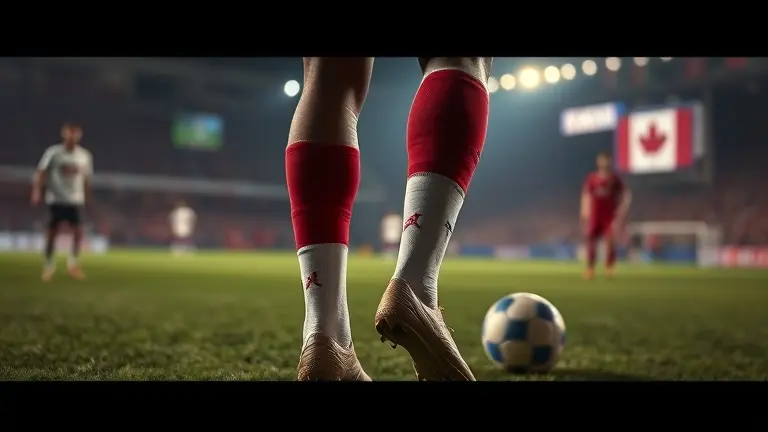
The atmosphere inside the stadium during the Canada versus Qatar clash turned from electric to somber in a heartbeat on June 18, 2026. As the second half of this pivotal 2026 FIFA World Cup group stage match unfolded, a standard tactical challenge took a harrowing turn. Canadian midfielder Ismaël Koné went down following a heavy tackle, and the immediate silence from his teammates and the concerned reaction of the medical staff signaled a moment that has gripped the nation. For a team with such high aspirations in this tournament, the sight of one of their key playmakers clutching his lower leg has sparked an urgent, global search for answers.
In the hours since the incident, the news cycle has been flooded with speculation, yet the most important details—the official medical prognosis and the subsequent impact on Canada’s midfield rotation—are still being solidified by the Canadian Soccer Association. As fans, analysts, and stakeholders demand verified updates, the priority remains distinguishing medical fact from social media noise. This report breaks down the timeline of the event, the tactical vacuum left in Koné’s wake, and how the squad is preparing to pivot as the tournament’s pressure continues to mount.
Update: Ismaël Koné Injury During Canada vs. Qatar World Cup Match

During the highly anticipated Canada vs. Qatar group stage match on June 18, 2026, Canadian midfielder Ismaël Koné suffered a serious lower-leg injury that has cast a shadow over the team’s ongoing Canada World Cup campaign. The incident occurred midway through the second half following a contested tackle by a Qatari player, leading to an immediate stoppage in play. The severity of the challenge was evident as medical staff rushed onto the pitch, with Koné requiring several minutes of treatment before being stretchered off the field to visible concern from his teammates and coaching staff.
Immediate Medical Response and Status
Following the on-pitch evaluation, Canada Soccer issued a brief statement confirming that Koné was transported to a local facility for further diagnostic imaging. While initial reports from the stadium described the injury as significant, official medical staff have refrained from confirming the specific nature of the trauma, such as the presence of fractures or ligament damage, to ensure accuracy as clinical tests continue.
Key aspects of the situation include:
- Incident Timing: The injury occurred during the high-pressure intensity of the second half, forcing a tactical substitution.
- Official Communication: Canada Soccer is currently coordinating with medical professionals in Qatar to assess the recovery timeline.
- Team Impact: The departure of such a pivotal playmaker has forced the technical staff to immediately re-evaluate the squad’s midfield structure for remaining Qatar World Cup fixtures.
Fans and analysts are currently awaiting a formal press conference from the team, which is expected to provide clarity on Koné’s status. Until that official update is released, the focus remains on the medical team’s priority: stabilizing the injury and determining the next steps for his professional recovery. We will continue to provide updates as verified information from the Canadian Soccer Association becomes available.
Medical Protocol: Understanding Lower-Leg Assessments in Elite Football
When a player of Ismaël Koné’s caliber suffers an acute trauma during a high-stakes match like the Canada vs. Qatar fixture in the 2026 FIFA World Cup, the immediate medical response follows a strictly choreographed FIFA-mandated protocol. The primary goal for pitch-side medical staff is to stabilize the athlete and perform a preliminary triage to differentiate between soft tissue trauma and structural bone damage. This process explains why spectators often experience a delay between an injury occurring and the release of an official status report.
The Diagnostic Chain of Command
Medical teams utilize a systematic approach to ensure player safety before attempting to move the individual off the pitch. The assessment generally includes:
- Physical Palpation and Observation: Staff assess for obvious deformities, swelling, or point tenderness. Given the nature of the challenge on Koné, the focus is on locating the exact site of impact to evaluate the structural integrity of the tibia and fibula.
- Neurovascular Check: Doctors check for pulses in the foot and sensory response in the toes. This is the most critical step to rule out nerve damage or compromised blood flow, which would necessitate immediate emergency transport.
- Stress Testing: If the joint or limb is stable, medical teams perform gentle, controlled stress tests to check for ligamentous instability. If the injury is severe, these tests are deferred to avoid exacerbating the trauma.
Moving from Field to Imaging
Once the player is moved to the locker room, the “acute phase” ends and the diagnostic phase begins. Teams typically utilize portable X-ray technology to check for fractures. If X-rays are inconclusive or if soft-tissue (ligament/tendon) damage is suspected, the player is referred for an MRI (Magnetic Resonance Imaging) at a specialized facility. This rigorous, evidence-based approach is why the Canadian Soccer Association often avoids immediate, speculative statements. Relying on professional diagnostics rather than visual assumption ensures that the recovery roadmap for an athlete like Ismaël Koné is based on clinical reality rather than early-onset panic.
Canada’s Tactical Adjustments: Who Steps Up in Koné’s Absence
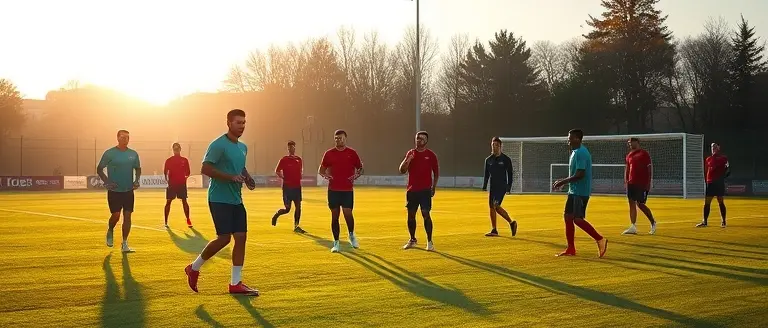
The unfortunate injury to Ismaël Koné during the high-stakes Canada vs Qatar match creates a significant void in the Canadian midfield engine. Koné’s ability to transition from defense to attack, combined with his physical presence in the middle of the park, has been a cornerstone of Canada’s World Cup strategy. With his absence confirmed for the foreseeable future, the coaching staff must now pivot to tactical adjustments that maintain structural integrity while managing the emotional fallout of the incident. The team’s ability to reorganize quickly will be the defining factor in their remaining group stage fixtures.
Candidates to Fill the Midfield Void
Replacing a player of Koné’s versatility is a complex challenge, as he provided both box-to-box energy and defensive screening. Several tactical profiles are currently being evaluated by the staff to bolster the midfield rotation:
- The Direct Replacement: A specialized holding midfielder may be inserted to anchor the defensive line, allowing more freedom for creative outlets elsewhere. This would prioritize stability over the dynamic runs Koné typically provides.
- Tactical Versatility: The coaching staff may opt for a player with extensive experience in North American or European leagues who can facilitate quick ball progression, compensating for Koné’s loss by increasing the tempo of play.
- The Rotation Strategy: Alternatively, a shift in formation—perhaps moving toward a more compact three-man midfield—could allow Canada to crowd the center, neutralizing opponents without requiring a single player to replicate Koné’s unique dual-threat capabilities.
Ultimately, the goal for the Canada World Cup squad is to sustain the high-pressure system that has defined their performance in Qatar. By leveraging players who excel at tactical discipline and possession retention, Canada aims to mitigate the disruption caused by this injury and remain competitive throughout the tournament. The focus remains on collective team cohesion, ensuring that the midfield continues to function as a unified unit despite the loss of a key playmaker.
Navigating the Remainder of the 2026 FIFA World Cup Campaign

The injury sustained by Ismael Kone during the tense match against Qatar has sent shockwaves through the Canadian national team, forcing a rapid shift in tactical preparation for the remainder of the Canada World Cup campaign. Losing a pivotal midfield presence during the group stage requires more than just a substitution; it demands immediate psychological and structural adjustments. As the team pivots to compensate for his absence, coaching staff must balance the emotional toll of seeing a teammate stretchered off with the logistical necessity of maintaining composure in high-stakes Qatar vs Canada gameplay. The focus now shifts toward squad depth and how rotational players can integrate into a system previously built around Koné’s transition-heavy playstyle.
Tactical Adjustments and Squad Resilience
To navigate the upcoming matches, Canada must rely on its core tactical versatility. While no individual can perfectly replicate the specific defensive coverage and progressive passing lanes provided by Ismael Kone, the team possesses a deep roster capable of shifting to a more defensive-minded or possession-based structure. Key considerations for the coaching staff include:
- Midfield Reconfiguration: Utilizing a more experienced, holding-midfield duo to protect the back line in the absence of Koné’s ball-winning capabilities.
- Mental Fortitude: Engaging in immediate sports psychology support to help players process the distress of the Qatar World Cup incident and refocus on upcoming group stage objectives.
- Tactical Fluidity: Adjusting the wing-back roles to provide more cover for the central midfield, ensuring the team remains competitive without sacrificing offensive output.
Moving forward, supporters should rely exclusively on updates from the Canadian Soccer Association regarding the official medical status of the injury. Recovery protocols are rigorous, and professional medical clearance is non-negotiable before any player returns to high-intensity training. Fans are encouraged to follow official team channels for verified information, ensuring that expectations remain grounded in medical reality rather than speculation as the squad battles for a path forward in the tournament.
Navigating the Tactical Shift Ahead
As the Canadian national team prepares for its next fixture, the focus remains on the resilience of the squad and the tactical adjustments necessitated by Ismaël Koné’s absence. While the sports world waits for official medical reports to clarify the road to recovery, the most critical takeaway for supporters is the need for steady, informed analysis rather than reactive speculation. Understanding the tactical depth of this roster is key to evaluating Canada’s chances as they navigate the remainder of the group stage.
In the high-stakes environment of the 2026 World Cup, the sheer volume of rapid-fire news and emotional updates can easily lead to mental fatigue. Staying objective while parsing through complex injury timelines and evolving team strategies requires peak cognitive clarity. This is where your focus becomes your greatest asset, allowing you to filter out the noise and remain truly informed.
Audifort is designed to support the mental stamina and auditory focus you need to navigate these intense tournament moments with a clear head. By fostering improved concentration, it ensures you can track every crucial update without succumbing to the stress of misinformation. Elevate your engagement and maintain your edge throughout the competition with a tool that prioritizes your cognitive well-being.
 Support your mental clarity and focus while following the latest tournament developments with Audifort.Secure My Mental Clarity Now!