
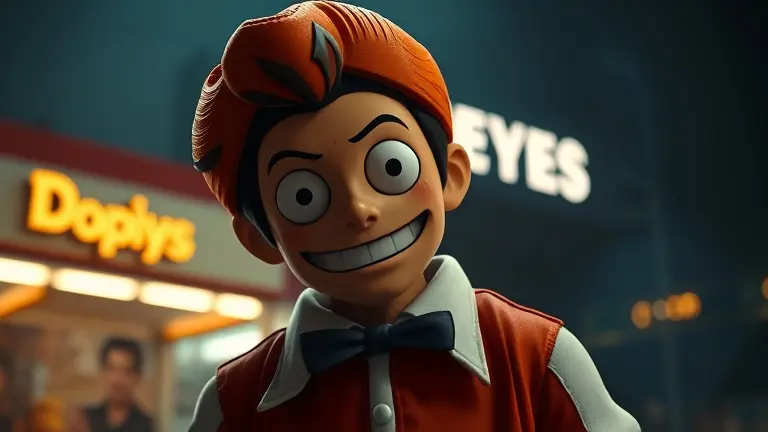
In the digital age, the line between reality and internet fantasy has become increasingly blurred. Recently, a persistent rumor regarding a Popeyes One Piece collab has taken social media by storm, leaving fans of both the legendary anime and the popular chicken chain wondering if a massive crossover is truly on the horizon. From viral promotional posters to speculative social media threads, the buzz is undeniable, but it has left many asking: is this partnership actually real, or just another clever piece of digital fiction?
As an expert in identifying viral trends, I have tracked the origin of these claims, and the reality is quite different from what your feed might suggest. Understanding how these misinformation cycles work is crucial for any fan who wants to separate authentic corporate news from fan-made clickbait. In an era of AI-generated content, navigating the digital landscape requires more than just enthusiasm; it requires a sharp, analytical mind.
In this article, we will cut through the noise, debunk the myths surrounding the popeyes one piece rumors, and provide you with the tools you need to verify brand partnerships like a professional. Staying informed is about more than just knowing the truth—it is about keeping your mental focus clear and your analytical skills sharp to navigate a world full of digital noise.
Is the Popeyes x One Piece Collab Real? The Truth Behind the Rumors
If you have been searching for confirmation regarding a Popeyes One Piece collab, it is important to clarify the situation immediately: there is no official partnership between Popeyes and Toei Animation. As of April 2026, neither Restaurant Brands International nor the official One Piece franchise channels have announced, teased, or confirmed any collaboration. While the idea of Luffy and the Straw Hat Pirates promoting a chicken sandwich has gained significant traction on social media, these reports are entirely speculative. The viral images and “leaked” promotional posters currently circulating on platforms like TikTok and X (formerly Twitter) are sophisticated fan-made mockups rather than genuine marketing materials.
Why Do These Rumors Persist?
The persistence of the Popeyes x One Piece rumor is a textbook example of how internet culture and “nerd marketing” intersect. Because other global fast-food chains have successfully executed high-profile anime collaborations, fans are primed to expect similar activations. This creates a fertile environment for viral misinformation, where concept art is often mistaken for legitimate corporate strategy.
Several factors contribute to the confusion:
- Viral Concept Art: Talented digital artists often create high-quality, realistic-looking advertisements that are easily shared without context.
- The “Hype” Economy: Content creators on social media often use these rumors to drive engagement, intentionally blurring the lines between fan fiction and verified corporate news.
- Search Intent Feedback Loop: As more fans search for “Popeyes One Piece,” search engines may surface high-traffic, speculative discussions, further validating the rumor to casual observers.
To protect yourself from falling for similar clickbait, always verify brand partnerships through official channels. Authentic collaborations are consistently accompanied by press releases from the parent company or official social media accounts with verified checkmarks. If a major announcement like this were real, it would be featured prominently on official websites, not hidden within speculative threads or unverified short-form video content.
Why Internet Rumors About Anime Partnerships Spread So Fast
The persistent buzz surrounding a hypothetical Popeyes One Piece collaboration is a masterclass in how “wish fulfillment” marketing functions in the digital age. Because the anime community is deeply invested in franchise expansion, fans are often primed to believe in potential crossovers, especially when those rumors align with established trends like the McDonald’s anime-themed campaigns. This psychological readiness makes the audience particularly susceptible to the illusory truth effect, a phenomenon where repeated exposure to misinformation—via TikTok edits, AI-generated images, or speculative X threads—tricks the brain into accepting a falsehood as factual news. When influencers present high-quality mockups as “leaks,” they tap into the genuine desire for localized anime experiences, effectively bypassing critical skepticism.
The Anatomy of an Anime “Fake News” Cycle
Several factors contribute to the rapid acceleration of these unverified claims. The lack of official verification regarding a popeyes one piece project has not slowed the spread of the rumor, as social media algorithms prioritize engagement over accuracy. To navigate this landscape, fans should consider the following markers of misinformation:
- Reliance on AI-Generated Assets: Many “leaked” promotional images are created using generative AI, which can replicate brand aesthetics with alarming precision, tricking even seasoned observers.
- Engagement-Based Clickbait: YouTube channels and social media accounts often fabricate collaborations to drive traffic through sensationalized thumbnails and speculative commentary, knowing that high-interest topics like One Piece generate significant ad revenue.
- Absence of Official Channels: Legitimate brand partnerships are always announced through verified corporate press releases or official social media accounts. If a major collaboration exists, there will be a clear trail leading back to the parent company, such as Restaurant Brands International.
By understanding that these rumors are often “concept art” gone viral, fans can better protect themselves from misinformation. True brand collaborations require extensive legal licensing and logistics; until an official statement is released, any claim regarding a Popeyes x One Piece crossover should be treated as fan fiction rather than future reality.
The Economics of Fast Food and Anime Collaborations

Global fast-food chains are increasingly turning to the anime industry to capture the lucrative “nerd culture” demographic. By leveraging the massive cultural footprint of franchises like One Piece, companies like McDonald’s or KFC can tap into hyper-engaged fan bases, generating massive social media buzz and driving store traffic through limited-edition packaging, exclusive merchandise, and thematic menu items. These campaigns are calculated, multi-million dollar investments that require years of negotiation between corporate marketing teams and Japanese animation studios like Toei Animation.
Distinguishing Real Campaigns from Viral Rumors
The persistent rumors surrounding a Popeyes one piece collaboration highlight a significant disconnect between fan desire and corporate reality. Authentic brand partnerships are never announced through isolated, blurry images on social media. Instead, they are defined by a rigorous set of verifiable indicators:
- Official Press Releases: Legitimate partnerships are accompanied by verified statements from the parent corporation (e.g., Restaurant Brands International) and the copyright holders.
- Centralized Marketing: A real campaign will always feature a dedicated landing page on the brand’s official website, store-level training protocols, and national advertising buy-ins.
- Supply Chain Visibility: Real collaborations involve tangible assets, such as co-branded cups, wrappers, or toys that are distributed through established logistics channels.
When investigating a potential popeyes one piece activation, the absence of these core elements is telling. Unlike legitimate campaigns that focus on broad, verifiable rollout strategies, the current rumors regarding a Popeyes crossover are fueled primarily by speculative fan art and clickbait engagement. Without an official, company-verified source, these claims remain nothing more than internet hearsay. For consumers, the best way to avoid falling for misinformation is to look for the “corporate footprint”—if the official brand channels are silent, the collaboration simply does not exist.
How to Verify Future Anime Collaborations Like a Pro

The viral Popeyes one piece rumors serve as a cautionary tale for anime fans who frequent social media. While the prospect of a high-profile fast-food partnership is exciting, the digital landscape is saturated with AI-generated concept art and fan-made mockups designed to trigger engagement through misinformation. To protect yourself from falling for similar hoaxes in the future, it is essential to move beyond viral TikTok videos and rely on rigorous verification standards. Before getting excited about the next potential popeyes one piece announcement, use these three professional vetting techniques to discern fact from fantasy.
Essential Steps for Verification
- Consult Corporate Pressrooms: Official partnerships between major brands like Popeyes and global entertainment franchises like One Piece are always supported by a formal press release. Navigate directly to the “News” or “Media” section on the corporate website of the restaurant chain. If there is no mention of a collaboration in their official pressroom, the rumor is almost certainly false.
- Monitor Toei and Shueisha Channels: Authentic licensing deals must be authorized by the rights holders. Always check the official social media accounts or websites for Toei Animation or Shueisha. These entities are meticulous about their intellectual property; if a major collab were happening, it would be featured prominently across their verified channels before reaching mainstream media.
- Search Trademark Filings: Large-scale commercial partnerships often require legal filings for specialized merchandise or co-branded logos. You can search the USPTO (United States Patent and Trademark Office) database to see if a company has filed for new brand assets associated with an anime franchise. This is the ultimate “source of truth” for identifying whether a business is legally preparing for a new product rollout.
By applying this investigative approach, you empower yourself to avoid the frustration caused by clickbait. Instead of reacting to sensationalist content, you can stay informed by focusing on verified data from official sources, ensuring you only spend your time and money on legitimate brand activations.
Maintaining Mental Clarity in the Age of Misinformation
As we have explored, the persistent rumors surrounding a Popeyes and One Piece collaboration are a stark reminder of how easily digital narratives can overshadow reality. In a world where AI-generated content and high-stakes social media engagement often prioritize clicks over facts, it is easy for even the most dedicated fans to get caught in the whirlwind of speculative hype. However, by relying on verified corporate channels and developing the skepticism to question the “too good to be true” narratives, you can reclaim your time and focus.
Navigating these murky waters requires more than just skepticism; it demands peak cognitive performance. When you are constantly bombarded with viral rumors, mental fog can cloud your judgment, making it harder to discern between genuine industry news and sophisticated clickbait. This is why maintaining a sharp, focused mind is essential—you need to clear the mental clutter to see the facts with absolute clarity.
To help you sharpen your focus and improve your analytical processing, we recommend The Brain Song. It is designed to optimize your cognitive health, enhancing your ability to process information and maintain the mental stamina needed to navigate complex digital environments. Think of it as a cognitive shield, giving you the clarity to distinguish truth from fabrication every time you scroll. Don’t let mental fatigue allow you to fall for the next viral hoax; give your mind the edge it deserves.

Sharpen your focus and clear the mental fog to spot the truth behind the viral trends; try The Brain Song to optimize your analytical performance.
Get Yours Now