
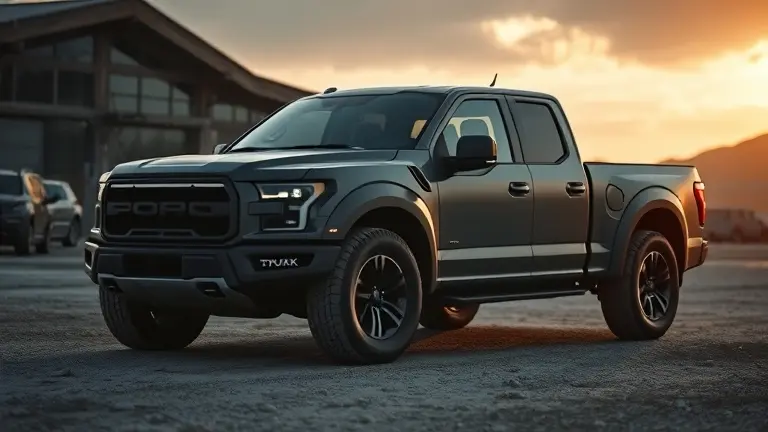
The automotive world is currently bracing for the June 24, 2026, reveal of the Slate truck, a vehicle poised to disrupt the EV market with a base price rumored at an aggressive $24,950. While much of the industry chatter focuses on the stripped-down, “no-frills” nature of the truck—specifically its lack of factory radios and power windows—the real story lies in the manufacturer’s philosophy: a “Lego set for adults.” By treating the vehicle as a blank canvas, the Slate invites a new wave of owners to pivot from passive consumers to active fabricators, turning a utilitarian EV into a bespoke machine tailored to individual needs.
However, the transition from a factory-bare vehicle to a fully functional rig requires more than just enthusiasm; it demands technical precision. For those ready to embrace the customization culture, the challenge isn’t just acquiring the truck, but mastering the build. In this deep dive, we move beyond the speculative pricing headlines to explore how you can leverage the modular design of this minimalist EV to build the ultimate, custom-fitted utility truck, ensuring your vehicle is ready for the road the moment it rolls off the delivery line.
The Slate Truck Reveal: Breaking Down the $24,950 EV Disruption
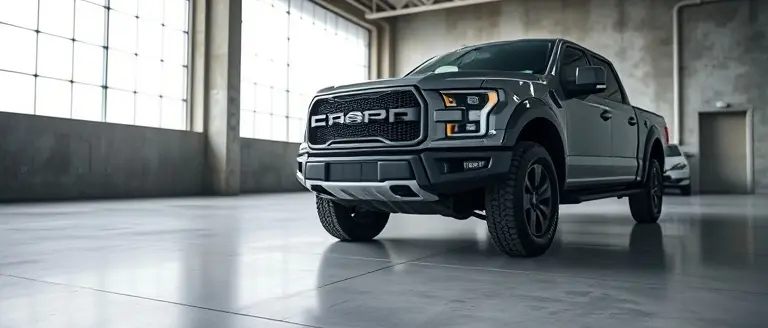
The June 24, 2026, official reveal of the Slate truck marks a potential watershed moment for the American automotive landscape. By anchoring its market entry at a $24,950 base price, the manufacturer has effectively undercut the current electric vehicle segment, positioning the truck not as a luxury gadget, but as a utility-first tool. Industry analysts, including those from MotorTrend, have long speculated that a true “affordable” EV pickup was impossible due to battery costs; however, the Slate’s no-frills design philosophy proves that aggressive cost-cutting can be achieved through minimalist engineering and the strategic removal of non-essential electronic amenities.
Challenging the Status Quo
This vehicle is deliberately designed as a “blank canvas,” stripping away power windows, complex infotainment systems, and factory radios to prioritize structural durability and mechanical simplicity. For established manufacturers like Ford, the Slate represents a disruptive challenge to the mid-size truck dominance. By catering to the DIY enthusiast—often referred to as the “Lego set for adults” demographic—the Slate allows owners to integrate off-the-shelf components, custom racks, and personalized charging solutions without voiding complex proprietary software warranties.
Why Price and Utility Matter
The value proposition centers on three core pillars that distinguish the Slate from traditional, tech-heavy electric trucks:
- Modular Customization: A design framework built for aftermarket parts compatibility, appealing to users who prefer hands-on maintenance over dealership servicing.
- Minimalist Durability: By reducing the number of electronic control units (ECUs), the vehicle promises improved long-term reliability and easier home-based repairs.
- Accessibility: The $24,950 price point lowers the barrier to entry, forcing competitors to justify the high premiums charged for their own base-model electric platforms.
Evidence suggests that while the minimalist feature set may alienate luxury-focused buyers, it creates a massive opportunity for the tradesman and tinkerer segments. As deliveries commence in late 2026, the real-world utility of this platform will dictate whether the Slate succeeds in fundamentally altering the electric pickup market.
Lego for Adults: The DIY Customization Philosophy
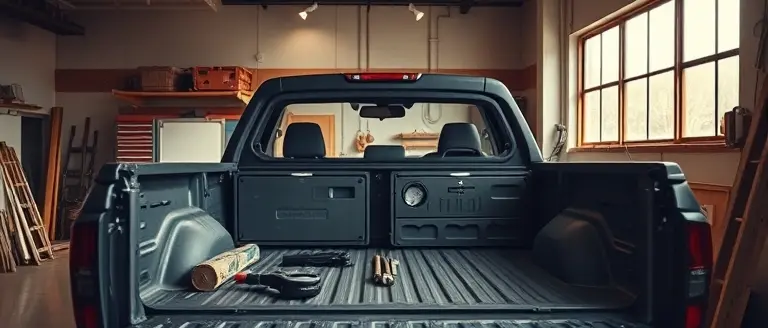
The Slate truck is fundamentally shifting the automotive narrative by moving away from the “all-inclusive” tech-heavy cabin toward a radical, modular design. Unlike traditional vehicles burdened by proprietary software and complex integrated electronics, this minimalist electric pickup acts as a blank slate for the “maker” generation. By stripping away non-essential factory amenities—such as power windows, digital touchscreens, and factory audio systems—the manufacturer is effectively handing control back to the owner. This architectural choice transforms the vehicle into what enthusiasts describe as a “Lego set for adults,” where the interior and cargo systems are designed to be swapped, upgraded, and repaired using off-the-shelf components.
For those who value utility and personalization, the absence of complex factory features is a feature in itself rather than a defect. This “bare-bones” approach allows owners to treat the truck as a customizable platform rather than a fixed consumer product. Consider these primary avenues for DIY modification:
- Bespoke Dashboards: Owners can install custom mounting rails, tablets, or high-fidelity audio equipment tailored to their specific workflow needs without bypassing complex CAN-bus sensors.
- Modular Cargo Solutions: The open-bed design and standardized frame mounting points encourage the development of 3D-printed cargo organizers, custom rack systems, and integrated tool storage.
- Hardware Interoperability: Because the vehicle lacks deeply integrated proprietary software, mechanics and DIYers can utilize standard, accessible components for modifications, significantly lowering the barrier to entry for repairs and performance tweaks.
By targeting a demographic that prioritizes durability and repairability over luxury leather and ambient lighting, the Slate truck positions itself as a long-term investment. This vehicle is not merely a mode of transport; it is a modular base that enables the user to dictate the cabin’s functionality based on their evolving professional or recreational requirements. Evidence suggests that this hands-on design philosophy will foster a vibrant community of aftermarket developers, ensuring that the Slate remains relevant well beyond its initial 2026 delivery date.
Slate vs. Used ICE Trucks: The Value Proposition Analysis

When evaluating the slate truck against a used Internal Combustion Engine (ICE) vehicle at the same $24,950 price point, consumers are essentially choosing between two distinct philosophies of ownership. A used ICE truck offers immediate access to a proven ecosystem of parts, service centers, and familiar mechanics. However, these vehicles often come with “hidden” costs, including aging drivetrain components, potential transmission fatigue, and the ongoing volatility of fuel prices. In contrast, the slate truck represents a disruption in the affordable EV market, trading modern creature comforts—such as power windows, high-end infotainment, and climate control—for a lower total cost of ownership (TCO) and reduced maintenance intervals.
Breaking Down the Ownership Costs
The primary advantage of the slate truck lies in its mechanical simplicity. By stripping away complex internal combustion systems, the manufacturer has reduced the number of moving parts prone to failure. For the budget-conscious buyer, this shift creates a compelling long-term financial argument:
- Fuel vs. Charging: Based on current energy trends, daily charging at home is estimated to cost significantly less than the equivalent mileage in a legacy gas-powered truck.
- Maintenance Savings: Electric motors and a single-speed transmission drastically cut down on oil changes, timing belt replacements, and exhaust system repairs.
- Repairability: The “no-frills” design is intended to be a blank canvas for DIY customization, meaning parts are designed for accessibility rather than being buried behind layers of complex, proprietary plastic housing.
Real-World Utility and Reliability
Skepticism regarding the slate truck often centers on its lack of amenities; however, for those prioritizing utility, these omissions may be a feature rather than a bug. A used ICE truck is inevitably approaching the “wear-and-tear” phase of its life cycle, whereas the slate truck offers a clean slate with a factory warranty. While the traditional truck provides an established, tech-heavy environment, the slate target audience is one that values the longevity of a minimalist EV. Ultimately, if your priority is a low-maintenance, daily-use work vehicle, the value of the slate truck appears to outweigh the depreciating utility of a high-mileage ICE alternative.
Living with Minimalism: Realities of the Slate EV Ownership

Adopting the Slate truck lifestyle requires a fundamental shift in perspective regarding what constitutes an essential vehicle feature. By stripping away luxury amenities—such as power windows, central locking, and factory-integrated infotainment systems—the manufacturer is positioning this electric pickup as a blank canvas. For the average consumer, this means the vehicle arrives as a utilitarian shell. The daily reality of ownership involves moving from a “consumer” mindset to a “builder” mindset, where the owner is responsible for sourcing and installing aftermarket solutions to meet personal comfort standards. While the $24,950 base price is disruptive, potential buyers must factor in the hidden costs of outfitting the truck for modern daily use, including Bluetooth audio, navigation, and climate control enhancements.
Practical Considerations for the DIY Enthusiast
Living with a no-frills EV presents unique challenges, particularly regarding long-term maintenance and daily utility. Without complex factory electronics to manage secondary cabin functions, the vehicle is inherently more reliable in some respects, yet it shifts the burden of repair and upgrades onto the owner. Key considerations include:
- Charging Infrastructure Reliance: As a budget-oriented EV, prospective owners must rely on robust home-charging setups, as the minimalist architecture may lack the sophisticated battery management systems found in premium competitors.
- Aftermarket Customization: The “Lego set for adults” philosophy relies on modularity. Owners should prioritize sourcing off-the-shelf, automotive-grade components to replace non-existent factory units, ensuring that modifications do not compromise the vehicle’s electrical warranty.
- Durability vs. Tech: The absence of complex software reduces the frequency of “glitches” but requires owners to perform manual physical inspections of components that are typically monitored by sensors in more expensive trucks.
Ultimately, the Slate truck is not for the driver seeking a plug-and-play experience. It is a specialized tool for those who prioritize repairability and customization over convenience, effectively bridging the gap between vintage, analog truck utility and modern, affordable electric propulsion. Success with this platform will likely depend on the strength of the community-driven parts ecosystem that emerges after the June 2026 launch.
Master Your Slate: The Ultimate Build Companion
The Slate truck is more than just a low-cost, minimalist electric vehicle; it is a blank slate—literally and figuratively—for those who value function over fluff. Whether you are a weekend warrior looking to optimize cargo space or a dedicated tinkerer planning a full interior overhaul, the vehicle’s “Lego set” design is its greatest strength. However, the gap between a vision and a functional build can be vast without the right guidance, leading to wasted time and scrapped materials.
Because the Slate arrives as a stripped-back canvas, your success depends on your ability to fabricate custom solutions for your specific utility needs. This is where Ted’s Woodworking becomes your essential workshop partner. By providing an extensive, professionally verified library of blueprints, this collection eliminates the costly trial-and-error phase, giving you the precise specifications needed to construct custom bed racks, interior storage modules, and modular utility mounts that perfectly fit your new EV.
Don’t let your truck sit in the driveway as a stock shell while you struggle to draft your own designs. Treat the Slate as the fabrication project it was designed to be and start building with confidence today. Your custom build begins with the right foundation.
 Access the blueprint library to start drafting your custom Slate modifications today.Start Building My Custom Slate Now!