
As of mid-2026, the atmosphere surrounding Fallout 76 is undeniably shifting. With Xbox and ZeniMax signaling a pivot toward the development of the next mainline entry in the storied franchise, the era of massive, game-changing content updates like ‘Expeditions’ has reached its conclusion. While the Atomic Shop continues to cycle and community events offer familiar comfort, the writing is on the wall: the game is transitioning from a high-octane live-service experience into a cherished, legacy-driven staple of the Fallout universe.
For many players, this creates a bittersweet reflection. We have spent years turning the desolate Appalachia into thriving, complex settlements, mastering the game’s intricate building systems, and finding beauty in the ruins. This transition isn’t just about waiting for the next big title—it is an opportunity to analyze the lessons of Fallout 76 and consider how the creative skills we sharpened in the wasteland can be translated into something even more permanent. As we prepare for a new chapter in the franchise, we must ask ourselves how we can keep that spirit of creation alive even after we log off for the final time.
The State of the Wasteland: Fallout 76’s New Chapter
As of mid-June 2026, the Fallout 76 ecosystem is undergoing a significant strategic pivot. Following the recent confirmation that the game will no longer receive out-of-map “Expeditions” updates, the title has officially transitioned from a period of aggressive live-service expansion to a long-term maintenance phase. This shift, corroborated by recent industry reports regarding Xbox and ZeniMax leadership’s mandates for accelerated development cycles, suggests that Bethesda is gradually reallocating resources toward the next mainline entry in the Fallout franchise. For the dedicated community in Appalachia, this represents an emotional and mechanical turning point, moving away from a roadmap defined by high-intensity content drops and toward a more static, legacy-focused experience.
Implications for the Appalachia Community
While the cessation of new Expeditions signals diminished active development, players should not mistake this for abandonment. Current data, including recent Atomic Shop rotations and the successful completion of community events like Scrip Surplus, indicates that the game will remain a vibrant, populated space. The focus has simply shifted to maintaining the existing sandbox rather than inflating its borders. To understand this transition, players should consider the following realities regarding the current state of the game:
- Maintenance over Innovation: Future updates will likely prioritize stability and standard cosmetic cycles over large-scale, content-heavy expansions.
- Franchise Alignment: The pivot aligns with broader corporate goals, as internal stakeholders look to unify the brand’s technical infrastructure for future titles.
- Legacy Preservation: Features perfected in Fallout 76, such as multiplayer environmental storytelling and camp-building mechanics, are expected to serve as the structural blueprint for upcoming entries.
Ultimately, this new chapter for Fallout 76 is one of preservation. By stabilizing the live-service environment, Bethesda is ensuring that the game remains a functional, engaging hub for fans while they await more substantial news regarding the franchise’s future direction. For the player, this is a time to appreciate the world as it exists today, recognizing that the lessons learned in the wasteland are currently paving the way for the next iteration of the series.
Roadmap Reality Check: What Remains for Players in 2026
As of mid-June 2026, the development trajectory for Fallout 76 has reached a definitive pivot point. Following official confirmations regarding the cessation of new “Expeditions,” the game is transitioning into a maintenance-focused lifecycle. For long-term players, this does not mean the servers are shuttering, but it does signal that the era of massive, content-expanding “out-of-map” updates has concluded. The focus has officially shifted from narrative expansion to sustained stability and routine engagement cycles, allowing the development teams to realign their priorities with broader corporate mandates regarding the Fallout franchise.
Active Support and Ongoing Milestones
While major expansion development has halted, the live-service framework remains functional for the foreseeable future. Players can continue to expect consistent administrative support and standard community interactions. Current support levels include:
- Atomic Shop Refreshes: Regular updates to the storefront continue, ensuring a steady stream of cosmetics and utility items for players invested in camp building and character customization.
- Standardized Events: Recurring community milestones, such as Scrip Surplus and Double XP weekends, will remain in the rotation to keep the core loop of reputation farming and gear optimization alive.
- Operational Integrity: Bethesda remains committed to server maintenance and patch fixes to ensure that the current version of the game remains playable as the community looks toward the next mainline entry.
This “maintenance mode” strategy is designed to keep the wasteland populated while resources shift toward future titles. By prioritizing stability over content-heavy additions, the current roadmap acknowledges the community’s desire for a playable experience while managing the transition to a future where Xbox and ZeniMax focus on accelerating the production of the next major installment in the series. Understanding this shift is essential for players planning their playtime, as the focus for the remainder of 2026 is clearly on polishing the existing experience rather than evolving it.
Legacy Mechanics: What the Next Fallout Must Carry Forward
As Fallout 76 transitions into a state of legacy support, the game leaves behind a significant blueprint for the next mainline entry in the franchise. Despite the shift away from new “Expeditions,” the innovations introduced in Appalachia successfully evolved the traditional Bethesda RPG formula, proving that elements of emergent gameplay and community-driven interaction can coexist with deep, narrative-heavy exploration. The next iteration of the Fallout universe should not reset these advancements but rather integrate them into a more stable, single-player or co-op ecosystem.
Key Innovations for Future Titles
The following features, refined through years of live-service updates, represent the best of the current era and should be considered essential for future titles:
- Dynamic C.A.M.P. Building: The iteration of the C.A.M.P. system allowed for unprecedented player agency. Bringing this modular, flexible construction system into a mainline game would significantly enhance the player’s ability to leave a personal mark on the wasteland, far exceeding the static settlements found in previous titles.
- Environmental Storytelling: Appalachia remains a masterclass in world-building. Through terminal entries, holotapes, and meticulously crafted vignettes, Fallout 76 perfected the “show, don’t tell” approach. Maintaining this depth is vital for the next game to ensure the world feels lived-in and historically dense.
- Social Emergence: Even for players who prefer a traditional solo experience, the social layer introduced by events and public teams highlighted how community cooperation can breathe life into a map. Implementing optional “guild” or “faction” hubs could facilitate similar engagement without forcing mandatory multiplayer connectivity.
By carrying these mechanics forward, Bethesda can ensure that the lessons learned from the highs and lows of the Fallout 76 lifecycle translate into a more robust, feature-rich experience for the next generation of wasteland survivors. The evolution of the franchise depends on blending the narrative depth of earlier titles with the mechanical polish and world interactivity discovered during the last decade of live service.
The Road to the Future: Speculation on the Franchise’s Next Mainline Entry

The landscape for Fallout 76 and the broader franchise is undergoing a definitive shift as of mid-2026. With official confirmation that the game will receive no further out-of-map “Expeditions,” the development cycle for this live-service entry is clearly winding down. Industry reports from June 2026 highlight a strategic directive from Xbox and ZeniMax leadership to prioritize accelerated development timelines, specifically aiming to fast-track both the next iteration of The Elder Scrolls and a highly anticipated mainline Fallout entry. This pivot suggests that Bethesda is consolidating its engineering and design resources, signaling an end to the era of constant content drops in West Virginia in favor of a new, single-player RPG experience.
Aligning Resources for the Next Generation
Player sentiment across forums like r/fo76 reflects a mix of resignation and optimism regarding this transition. While the community has grown accustomed to the rhythm of the Atomic Shop and seasonal event cycles, the consensus is that the franchise is ready for a technological leap that only a new mainline entry can provide. By moving away from the constraints of live-service updates, the developers appear to be positioning the brand for a “return to form.” Key strategic factors influencing this transition include:
- Resource Reallocation: Scaling back 76’s operational overhead allows Bethesda to shift veteran talent toward core development teams.
- Narrative Continuity: The desire to build upon the momentum generated by the wider franchise popularity requires a fresh, dedicated engine and a modern design scope.
- Community Lifecycle: As seasonal milestones conclude, players are naturally pivoting their expectations from “what’s next for 76” to “what defines the next Fallout experience.”
Ultimately, this transition signifies a maturation of the franchise under the Xbox umbrella. By moving the focus away from maintenance and toward innovation, the studio is betting that the long-term health of the Fallout IP depends on delivering a polished, single-player successor rather than indefinitely sustaining a legacy live-service platform.
Channeling Your Wasteland Architect Spirit
The transition of Fallout 76 into a legacy state does not mean your creative journey has to come to a grinding halt. You have spent countless hours mastering the meticulous planning, structural design, and aesthetic precision required to build the perfect C.A.M.P. in the heart of the wasteland. These skills are not merely virtual; they are a testament to your ability to conceptualize, iterate, and execute complex projects with a keen eye for detail.
Just as we look toward the future of Fallout’s world-building, many players are finding that the same dedication required to master a virtual settlement can be channeled into tangible, real-world craftsmanship. If you have been searching for an ‘offline progression tool’ that allows you to apply your design logic to physical projects, look no further than Ted’s Woodworking. This library bridges the gap between the virtual wasteland and your own workshop, providing you with the blueprints and confidence to bypass the frustration of trial-and-error.
By transforming your Fallout-honed design skills into high-quality physical home projects, you aren’t just building furniture; you are mastering a lifelong craft. This is the natural next step for every Wasteland architect who values precision and creative output. Don’t let your design potential fade with the servers—take control of your workshop and build something that will last a lifetime.
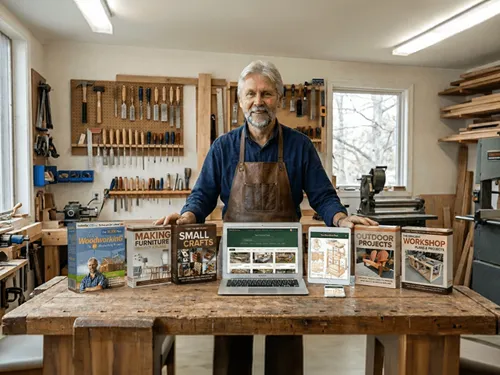 Ready to move your design skills from the virtual wasteland to your own workshop? Click here to access the ultimate library for your next big project.Transform My Projects Today!