
When Intel (INTC) stock skyrocketed by 422% over the past year, it didn’t just break charts; it shattered the narrative of a legacy giant in decline. Trading near its 52-week high of $131.83, the company is finally reaping the rewards of aggressive foundry contracts with titans like AWS and the successful ramp-up of the bleeding-edge 18A-P chip node. Yet, as political rhetoric and massive market swings dominate the headlines, investors are left grappling with a critical question: Is this the dawn of a sustainable, long-term technological supremacy, or are we witnessing a speculative bubble fueled by geopolitical noise?
Cutting through this volatility requires more than just a passing glance at a ticker. To understand if the current valuation holds water, we must peel back the layers of foundry margins and compare the raw efficiency of the 18A-P architecture against the dominance of global competitors. In a market where a single public remark can shift valuations by 9% overnight, the difference between a profitable long-term hold and a premature exit lies in your ability to separate fundamental reality from the deafening roar of political hype.
Intel’s 2026 Resurgence: Analyzing the 422% Rally

The transformation of INTC stock over the past twelve months represents one of the most significant valuation recoveries in modern semiconductor history. Between June 2025 and June 2026, the company’s share price delivered a staggering 422% return, shifting from a precarious 52-week low of $18.96 to trade near its 52-week high of $132.75. As of June 18, 2026, the stock settled at $131.83, following a sharp 9% intra-day surge. This latest movement was largely catalyzed by optimistic political commentary surrounding domestic chip manufacturing, highlighting how sensitive investor sentiment remains to policy-driven tailwinds.
Drivers of Market Sentiment and Valuation
The rapid appreciation of Intel stock is not merely a product of market speculation; it reflects a fundamental pivot in the company’s operational trajectory. Investors are re-evaluating the firm based on several high-stakes milestones that differentiate this rally from previous cycles:
- 18A-P Node Production: Intel has officially initiated production on its advanced 18A-P chip node, a critical technological milestone that places the company back in contention for competitive high-performance computing market share.
- Foundry Contract Momentum: The successful execution of multi-year, multibillion-dollar foundry partnerships—most notably with AWS—has provided the revenue visibility that institutional investors previously questioned.
- Policy Sensitivity: The recent 9% spike demonstrates the market’s high correlation between CHIPS Act-related support and Intel’s foundry expansion plans.
While the 422% rally suggests a successful turnaround, analysts are now focusing on the sustainability of these margins. The current valuation reflects an anticipation of future profitability rather than just current earnings. As Intel transitions from a legacy IDM model to a diversified foundry powerhouse, the primary question for shareholders is whether the 18A-P node can provide the long-term technological moat necessary to justify current price levels against global competitors like TSMC.
The Foundry Pivot: 18A-P and the AWS Catalyst
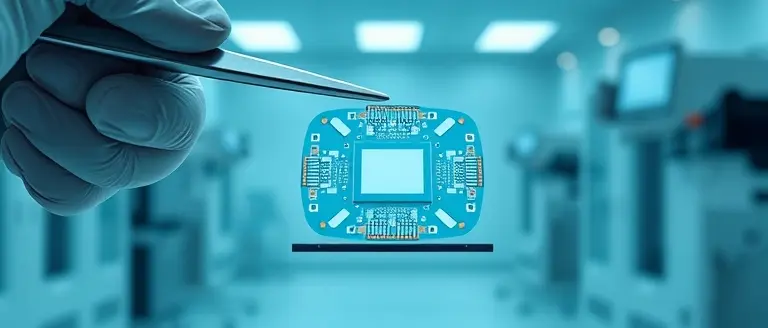
The recent ascent of INTC stock is not merely a product of market sentiment; it is fundamentally anchored in the successful deployment of the 18A-P chip node. This transition represents a structural shift in Intel’s business model, moving the company from a legacy integrated device manufacturer (IDM) toward a modernized, high-performance foundry services powerhouse. By initiating production on the 18A-P node, Intel has finally begun to close the technological gap that previously allowed competitors like TSMC to dominate the market. This shift is critical because it moves Intel beyond the cyclical fluctuations of PC demand, positioning it to compete for the most sophisticated logic chips in the industry.
The AWS Validation
The cornerstone of this operational transformation is the multibillion-dollar foundry contract with AWS. For years, critics questioned whether Intel could effectively manufacture chips for external high-profile clients while maintaining its own product roadmap. The AWS partnership serves as the definitive proof-point for this strategy.
- Revenue Diversification: The contract provides a stable, long-term revenue stream that is decoupled from standard consumer hardware cycles.
- Manufacturing Precision: Producing for AWS requires stringent yield standards that validate the maturity of the 18A-P node.
- Ecosystem Trust: Securing a cloud giant validates Intel’s foundry ecosystem, making it a viable alternative for other hyperscalers.
Unlike previous attempts at foundry expansion, which were marred by delays and internal friction, the current trajectory suggests a disciplined focus on execution. While past failures were characterized by missed product windows and a lack of transparency, the current 18A-P rollout demonstrates a disciplined adherence to manufacturing milestones. Investors tracking INTC stock should view this as a potential transition from a “turnaround play” to a sustainable infrastructure provider. If Intel continues to scale its 18A-P margins, the foundry segment could eventually serve as the primary engine for long-term valuation growth, rather than relying solely on the legacy CPU market.
Valuation Risk vs. Reward: Is This a Bubble?

The meteoric rise of INTC stock, characterized by a 422% rally over the past year, has left many investors questioning whether the current valuation near $131.83 reflects a sustainable fundamental shift or a speculative bubble. While the stock’s ascent is anchored in tangible milestones—most notably the production commencement of the 18A-P chip node and massive foundry contract wins with partners like AWS—the market is currently pricing in a near-perfect execution roadmap. For long-term shareholders, the critical task is distinguishing between genuine structural recovery and “hype” fueled by political rhetoric and short-term momentum.
Evaluating Execution Risks and Competitive Pressures
The primary challenge for Intel remains the scalability of its foundry business against entrenched incumbents like TSMC. Investors must weigh several critical risk factors:
- Margin Compression: Transitioning to the 18A-P node involves massive capital expenditure. Sustaining high profitability while scaling production to meet global demand remains a complex operational hurdle.
- Competitive Moats: While Intel has successfully re-entered the advanced node race, maintaining a lead—or parity—with TSMC requires flawless yield rates. Any slip in production timelines could trigger a swift correction in the stock price.
- Political Sensitivity: Recent price surges tied to political commentary, such as remarks from Donald Trump, highlight a dangerous reliance on policy-driven sentiment. Should CHIPS Act funding or trade policy shifts fail to materialize as expected, the stock may face volatility regardless of internal foundry progress.
From a valuation standpoint, the stock is trading near its 52-week high, leaving little room for error. While the company’s turnaround story is compelling, the current valuation suggests that the market has already “priced in” much of the future growth associated with its foundry pivot. Investors should exercise caution: this is no longer a value play, but a high-stakes bet on Intel’s ability to dominate the semiconductor manufacturing sector long-term.
Fundamental Reality: Q1 2026 Results vs. Market Sentiment

To evaluate whether INTC stock represents a sustainable turnaround or a speculative bubble, investors must distinguish between transient political rhetoric and concrete financial performance. As of June 2026, Intel’s valuation has undergone a staggering 422% appreciation over the last twelve months. While headlines frequently highlight short-term price spikes—such as the recent 9% jump following positive commentary from Donald Trump—the “signal” lies deep within the company’s structural operational shifts rather than in daily trading volatility.
Deciphering the Financial Signal
The Q1 2026 earnings report provided the first real look at how Intel’s foundry-first strategy is impacting the bottom line. Unlike previous fiscal quarters, which were defined by stagnation and inventory gluts, the latest data suggests a pivot toward higher-margin operations. Investors should focus on three core metrics when analyzing the fundamental health of Intel (INTC):
- Foundry Utilization Rates: Monitor if the multibillion-dollar AWS contract is successfully migrating from backlog to revenue-generating production.
- 18A-P Node Margins: The transition to the advanced 18A-P node is the linchpin of Intel’s long-term profitability. If wafer yields improve as expected, this will validate the company’s massive capital expenditure.
- Operating Cash Flow: Sustained cash generation is necessary to fund the ongoing foundry expansion without excessive debt dilution.
Separating Sentiment from Structural Value
Market sentiment remains highly sensitive to political updates, particularly regarding the CHIPS Act and future domestic manufacturing incentives. While political tailwinds provide a significant psychological floor for the stock price, they do not replace earnings per share (EPS) or margin expansion. The danger for retail investors lies in assuming that rhetoric can maintain a valuation trading near its 52-week high of $132.75 indefinitely. To determine the long-term viability of INTC stock, one must weigh these geopolitical factors against the harsh reality of global semiconductor competition. If Intel’s foundry execution remains consistent with its stated roadmap, the recent rally may be a genuine re-rating of the company’s core business model rather than a politically driven anomaly.
Navigating the Signal Amidst the Market Noise
The path forward for Intel is fundamentally tied to the precision of its silicon engineering. While the 18A-P node represents a massive leap in technical capability, translating that potential into consistent, long-term margins remains the ultimate test. As you weigh the risks of current market valuations against the promise of a revitalized foundry business, remember that the most successful investors are those who can synthesize complex financial data without succumbing to the emotional fatigue of high-stakes trading.
Just as Intel’s structural success depends on the precise, advanced architecture of their 18A-P node, your success as an investor depends on your ability to cut through complex market noise with absolute clarity. Financial reports and political forecasts are dense, often leading to ‘brain fog’ that can cloud judgment at the most critical moments. The Brain Song is designed to be your intellectual performance accelerator, helping you maintain the razor-sharp focus required to analyze these technical pivots with total mental efficiency.
Integrating this tool into your research routine provides the mental edge necessary to distinguish between legitimate structural progress and temporary political volatility. When the stakes are this high, your cognitive sharpness is your greatest asset. Do not let information overload dictate your portfolio—take control of your analytical process today.
 Sharpen your focus on the numbers: incorporate The Brain Song into your daily research routine to cut through the hype and analyze Intel’s fundamental health with total clarity.Achieve Total Mental Clarity Now!