
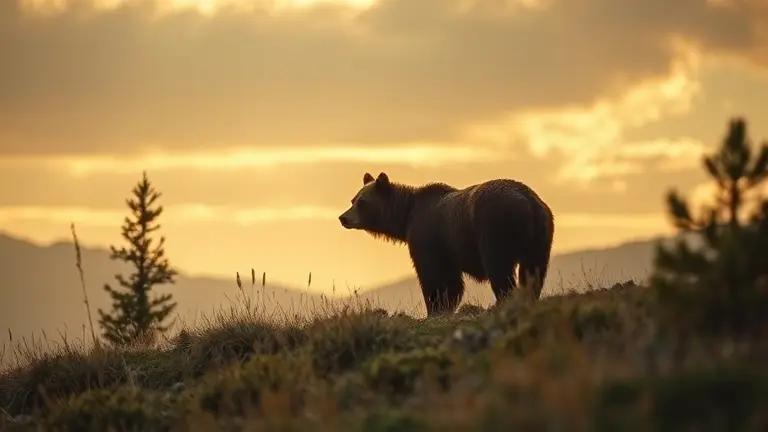
As June 2026 unfolds across the rugged landscapes of the Equality State, the Wyoming Game and Fish Department is operating at a high-intensity pace to manage the transition into peak summer recreation. From the critical implementation of ‘Bear Aware’ protocols in high-traffic backcountry zones to the complex balancing act of managing reservoir levels amidst ongoing drought concerns, your summer experience depends on more than just weather luck. With infrastructure projects—including essential wildlife crossing construction near Kemmerer—causing intermittent delays, outdoor enthusiasts must approach their planning with a new level of data-driven strategy.
This guide serves as your comprehensive ‘Wyoming Summer Backcountry Planner,’ designed to cut through the noise and provide the specific, actionable insights you need. We have consolidated the latest agency mandates, real-time fishing reports, and safety advisories into one central resource to ensure your excursions are both successful and safe. Whether you are navigating road closures or seeking the most productive fishing holes in a warming climate, precision in your planning is the key to mastering the Wyoming wilderness this season.
Wyoming Game and Fish: June 2026 Operational Status and Public Notices
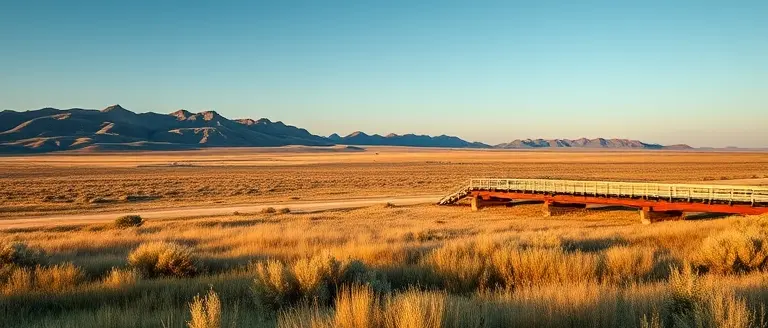
As of June 2026, the Wyoming Game and Fish Department remains fully focused on managing the complexities of peak summer recreation. It is essential for outdoor enthusiasts to distinguish these operations from recent administrative updates in other states, such as the fee changes seen in New Hampshire’s Fish and Game department. The Wyoming agency continues to prioritize public safety through its intensive “Bear Aware” campaigns, responding to increased wildlife activity as temperatures rise across the state’s backcountry regions.
Infrastructure Challenges and Construction Updates
The department is currently navigating significant logistical hurdles regarding regional infrastructure projects. Notably, wildlife crossing construction near the Kemmerer area has faced unexpected delays. These projects, designed to mitigate vehicle-wildlife collisions, are essential for the long-term health of migratory herds. Travelers should anticipate the following:
- Localized traffic detours: Increased congestion near primary construction zones.
- Construction schedules: Potential for temporary closures on secondary roads bordering key habitat corridors.
- Safety compliance: Strict adherence to lowered speed limits in marked work zones to protect both wildlife and road crews.
Drought Impacts and Reservoir Management
Current drought conditions across Wyoming are exerting pressure on aquatic habitats and agricultural lands, requiring proactive reservoir management by the department. Water levels are being monitored closely to balance the needs of irrigators with the health of local fisheries. For those planning summer excursions, stay updated on these key factors:
- Water Quality: Reduced inflows may affect reservoir temperatures, potentially shifting prime fishing locations.
- Resource Allocation: Active management strategies are in place to prioritize cold-water habitats where drought stress is most acute.
- Operational Integrity: Department officials urge the public to consult the official Wyoming Game and Fish website for the latest reports on reservoir levels, ensuring that recreational activities align with current environmental data.
Wyoming Bear Safety Tips: June 2026 Best Practices
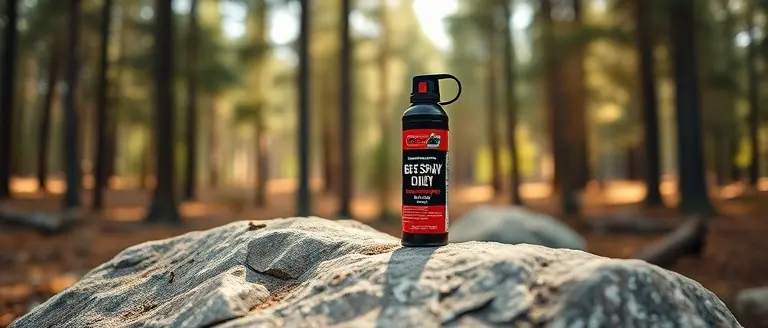
As peak summer recreation begins, the Wyoming Game and Fish Department is emphasizing heightened vigilance for outdoor enthusiasts navigating grizzly and black bear country. During June 2026, bears are highly active in lower-to-mid elevations, often scavenging for seasonal food sources. To ensure personal safety, hikers must remain proactive rather than reactive. Carrying bear spray is not merely a suggestion; it is a critical requirement. Ensure your canister is readily accessible on your belt or chest harness—never buried inside a backpack—and practice removing the safety clip so you can deploy it within seconds if a sudden encounter occurs.
Essential “Bear Aware” Protocols
When venturing into the backcountry, follow these established safety standards to minimize the risk of negative interactions:
- Make Noise: Talk, sing, or clap, especially near rushing water, dense brush, or when moving into the wind. Sudden surprise is the primary cause of defensive bear attacks.
- Secure Food and Attractants: In grizzly country, utilize interagency-certified bear-resistant containers or hang food at least 10 feet high and 4 feet out from a tree trunk. This includes toothpaste, deodorant, and stove fuel.
- Identify Bear Activity: Look for fresh tracks, overturned rocks, scat, or claw marks on trees. If you spot a carcass, leave the area immediately, as bears are highly territorial over food sources.
- Travel in Groups: Bears are significantly less likely to approach larger parties. Stick to established trails and avoid hiking during dawn, dusk, or nighttime hours when bear activity typically peaks.
If you encounter a bear, never run, as this may trigger a predatory chase response. Stand your ground, speak in a calm, firm voice, and back away slowly while keeping your eyes on the animal. By adhering to these Wyoming bear safety tips for June 2026, you contribute to the ongoing success of wildlife conservation efforts while ensuring a safe experience in the state’s rugged wilderness. Always check local agency alerts before heading out, as specific trail closures may be in effect due to active wildlife movement or ongoing habitat management projects.
Current Wyoming Reservoir Fishing Reports and Water Levels
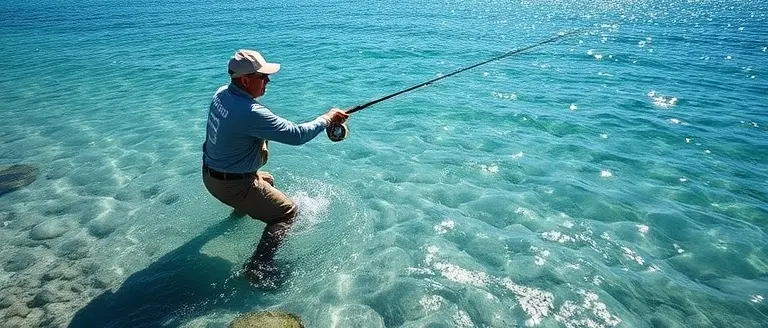
As of June 2026, the Wyoming Game and Fish department reports varying conditions across major basins as the state navigates lingering drought-related challenges. For anglers seeking Wyoming reservoir fishing reports current data, it is essential to monitor live water levels, as reduced inflow from limited snowpack has impacted shoreline access at several popular destinations. Reservoirs like Seminoe and Pathfinder are currently seeing fluctuating levels that dictate fish distribution; trout are generally moving to deeper, cooler thermal layers during the heat of the day, while walleye are holding near structure transition zones. To check specific, real-time metrics, anglers should utilize the official Bureau of Reclamation reservoir dashboard to ensure boat ramp accessibility before traveling.
Angling Strategies for Early Summer
Drought conditions necessitate a tactical shift for those targeting trout and walleye. When water levels are low, fish often aggregate in the remaining high-quality habitats, making them easier to locate but more susceptible to stress. Observe these best practices to ensure a successful outing:
- Focus on Thermoclines: During June, trout metabolism increases with ambient temperature. Target areas where the water column provides a stable temperature range, often found near deep-water drop-offs.
- Walleye Precision: Use bottom-bouncing rigs with nightcrawlers or crankbaits that mimic forage fish. Early morning and late evening remain the most productive windows as temperatures rise.
- Monitor Habitat Health: If water temperatures in shallow coves exceed 70°F, prioritize catch-and-release techniques to reduce mortality rates for trout, which are particularly sensitive to heat.
- Infrastructure Awareness: Be mindful of construction activity and limited launch availability at reservoirs near ongoing infrastructure projects, as localized maintenance may temporarily close specific boat ramps.
Always verify current localized regulations via the Wyoming Game and Fish website, as specific bag limits or seasonal closures can change rapidly based on reservoir capacity and environmental stressors. By aligning your fishing strategy with current hydrological data, you can maximize your success while supporting the long-term health of Wyoming’s fisheries.
Navigating Wildlife Crossing Construction Zones Near Kemmerer
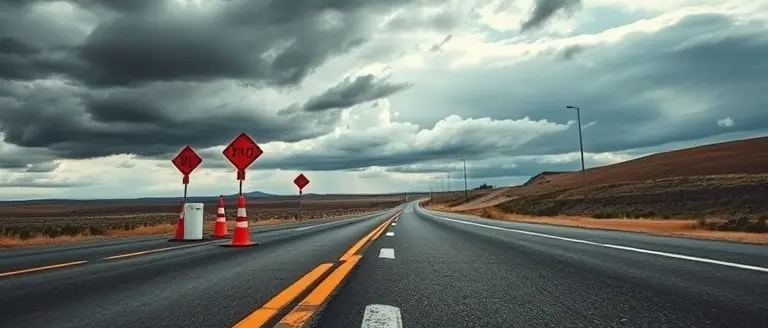
As peak summer travel season arrives in 2026, motorists transiting through the Kemmerer area should prepare for significant infrastructure updates. The Wyoming Game and Fish Department, in partnership with transportation authorities, is currently managing critical wildlife crossing projects designed to reduce animal-vehicle collisions. These construction zones are located in high-traffic migration corridors, necessitating heightened driver vigilance. Current reports indicate that while major detours are not the primary focus, lane narrowings and active equipment movement are standard, requiring a mandatory reduction in speed to ensure the safety of both construction crews and migrating big game.
Driver Safety Protocols and Wildlife Awareness
When approaching these zones, it is imperative to treat speed limit signs as strict safety thresholds rather than suggestions. Increased activity near these project sites often draws wildlife closer to the roadway, creating unpredictable movement patterns. To navigate these areas safely, please adhere to the following guidelines:
- Observe Posted Limits: Reduced speeds are strictly enforced; slowing down significantly increases your reaction time if a mule deer or elk unexpectedly enters the road.
- Maintain Distance: Avoid tailgating in construction zones; sudden braking from heavy machinery or wildlife can lead to chain-reaction accidents.
- Scan the Shoulders: Use high beams when appropriate during dusk and dawn, as these are the peak hours for animal movement through these corridor improvements.
- Report Sightings: If you notice large herds congregating near the construction barriers, report the location to local authorities to help the department manage traffic flow and animal deterrence more effectively.
By prioritizing caution, you contribute directly to the long-term success of these vital conservation efforts. The infrastructure being built today is designed to foster a safer environment for travelers and preserve the regional wildlife populations that define Wyoming’s natural landscape. Always check real-time traveler information resources before departing to stay updated on shifting lane closures or sudden project-related delays.
Master Your Backcountry Craft
Navigating the complex realities of the Wyoming backcountry—from shifting wildlife migration patterns to current reservoir levels—requires more than just a map; it requires precision and preparation. By staying informed on Wyoming Game and Fish updates, you ensure your safety and success during this challenging summer season. Yet, true mastery of the outdoors extends beyond just knowing where to go; it is about how you equip yourself for the environment.
While you refine your gear for the season, don’t overlook the utility of having reliable, workshop-tested plans for your campsite setups and custom storage solutions. Whether you are building rugged gear racks for your truck or elevated observation platforms to stay ‘Bear Aware,’ having the right blueprint eliminates the frustration and material waste often found in amateur designs. This is your technical toolkit for the rugged Wyoming landscape.
We recommend leveraging professional-grade project plans to ensure every build is as durable as it is functional. By bridging the gap between your passion for nature and your ability to build, you transform from a passive observer into a capable, self-reliant outdoorsman. It is the natural next step for anyone serious about their backcountry lifestyle.
 Build your backcountry setup with precision—access over 16,000 professional workshop plans here.Yes, I Want This Now!