
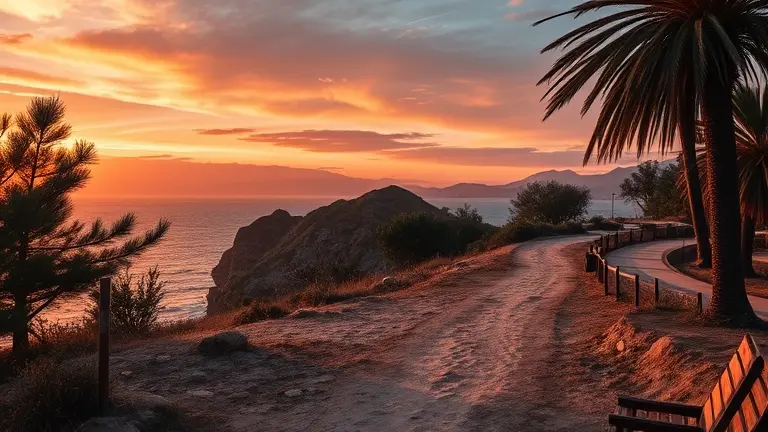
On June 17, 2026, the State of California launched a landmark initiative that turns this year into a historical odyssey for residents and visitors alike. With the introduction of the ‘Historian Passport’ program, you now have complimentary access to over 30 state historic parks for the remainder of 2026. Whether you are seeking to immerse yourself in the rich legacy of Juneteenth or looking to participate in the early celebrations leading up to the 250th anniversary of the United States, there has never been a better time to explore the hidden gems of our park system.
However, navigating these sites requires more than just a pass. From managing essential reservations to balancing modern environmental awareness with the stewardship of these 18th and 19th-century landscapes, the path to discovery involves logistical nuance. This guide bridges the gap, offering you a curated look at how to maximize your Historian Passport, plan budget-friendly weekend itineraries, and ensure your visit contributes positively to the ongoing restoration efforts at places like the Great Valley Grasslands.
California’s New Historic Passport Initiative: A Path to the Semiquincentennial
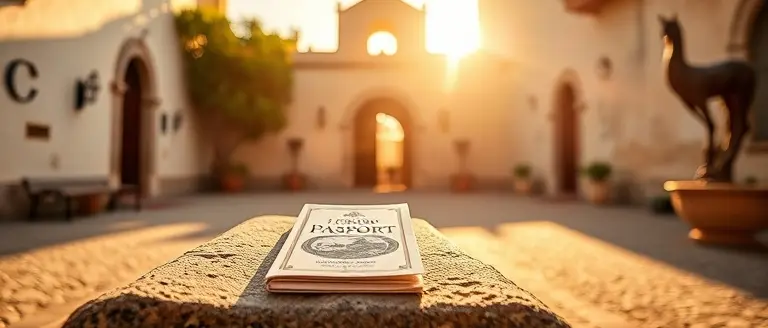
On June 17, 2026, the state of California launched a landmark initiative designed to deepen public engagement with the state’s rich, multifaceted past. The Historian Passport program offers visitors complimentary access to over 30 state historic parks for the remainder of 2026. This strategic rollout, coinciding with Juneteenth celebrations, serves as a poignant prelude to the upcoming 250th anniversary of the United States—the Semiquincentennial. By removing financial barriers, the state aims to encourage residents and tourists alike to explore the foundational narratives that have shaped the American West, from indigenous heritage to the complex legacies of the gold rush and civil rights movements.
This initiative is part of a broader, ongoing expansion and revitalization of the California State Parks system. In addition to the new passport program, the state has recently integrated three new parks into its roster, further diversifying the landscape of protected sites. These efforts are complemented by localized restoration projects, such as the ecological rehabilitation at Great Valley Grasslands State Park, which reflect a dual commitment: preserving the integrity of California’s natural environments while honoring the human stories attached to them.
Why This Initiative Matters
The Historian Passport is more than just a free pass; it is a catalyst for cultural exploration. Key objectives of the program include:
- Educational Accessibility: Ensuring that families and students have cost-free opportunities to learn about state history firsthand.
- Commemorative Reflection: Using the lead-up to the US 250th anniversary to critically examine California’s unique role in the national narrative.
- Community Engagement: Encouraging visitation during Juneteenth and throughout the year to foster a deeper understanding of cultural diversity within the park system.
As visitors plan their excursions, it is essential to note that while the passport covers admission fees, logistical preparation remains vital. Despite the free access, visitors should monitor ReserveCalifornia.com for site-specific updates, as parking fees or specialized tour requirements may still apply. By bridging the gap between historical preservation and public access, California is setting a precedent for how state-managed lands can serve as living classrooms for the next generation of history enthusiasts.
How to Download and Use Your California Historian Passport
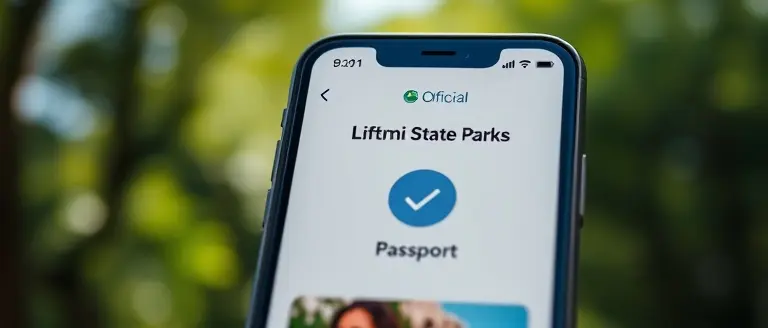
Securing your access to the newly launched California Historian Passport is a straightforward process designed to encourage exploration of the state’s rich cultural legacy. To begin your journey, visit the official ReserveCalifornia.com portal, where you can navigate to the dedicated program landing page. Users searching for how to download historian passport materials will find a digital portal that offers both a downloadable PDF version for mobile devices and an option to request a physical keepsake version at select park entrance stations. By registering your email on the portal, you receive a unique digital identifier that tracks your visits across the 30+ participating California state parks included in this 2026 initiative.
Step-by-Step Registration and Navigation
Once you have secured your digital passport, you can begin planning your itinerary using the interactive, web-based map. This tool is essential for identifying which sites are eligible for the free admission program, helping you bridge the gap between historic education and outdoor recreation. Please note that while the passport covers entrance fees, it does not bypass the need for specific site logistics.
- Account Creation: Register via ReserveCalifornia.com to sync your visit history and receive updates on new site additions.
- Interactive Map: Use the mobile-friendly map to filter participating locations by region, historical era, or proximity to your current location.
- Reservation Logistics: Even with the free admission pass, some high-traffic historic parks still require day-use or tour reservations during peak holiday weekends. Always verify specific site status on the app before departing to ensure your spot is secured.
- Tracking Progress: Visitors can “stamp” their digital passport by scanning QR codes located at visitor centers or entrance kiosks, creating a lasting record of their journey through California’s diverse landscapes and preserved heritage sites.
By utilizing these tools effectively, travelers can transition from simple sightseers to active participants in the state’s ongoing conservation efforts, ensuring that these historical landmarks remain accessible for future generations.
Logistics: Do You Need Reservations for Free Entry?
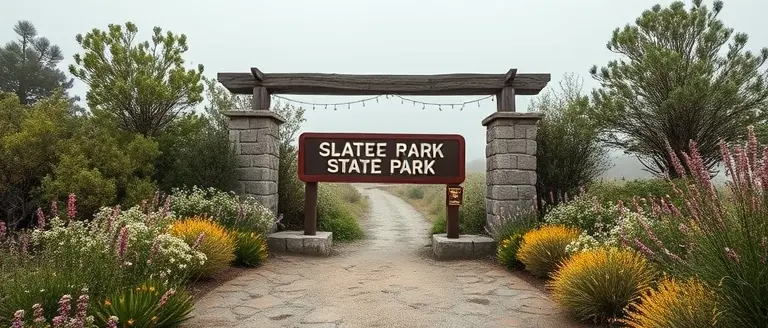
While the new Historian Passport program offers a fantastic opportunity for cost-free exploration of California’s rich heritage, it is vital for visitors to distinguish between “admission” and “access.” Obtaining your passport via ReserveCalifornia.com grants you free entry to over 30 designated California State Parks; however, this does not automatically override standard operational protocols at high-traffic sites. Many of these historic landmarks function as delicate cultural preserves where capacity management is strictly enforced to protect both the infrastructure and the visitor experience.
Understanding Admission vs. Parking and Tours
It is a common point of confusion for travelers to assume that a free pass covers every potential cost. Please note the following critical distinctions:
- Parking Fees: Even when entry is free with your passport, you may still be required to pay for vehicle day-use parking at specific locations. Always check the individual park’s page on the official State Parks website to confirm if parking is included or if a fee applies.
- Guided Tours: Many historic state parks offer specialized docent-led tours of preserved buildings or archaeological sites. These tours often require a separate, paid reservation to ensure group sizes remain manageable.
- Peak Capacity: During holidays—especially surrounding Juneteenth or the upcoming lead-up to the 250th anniversary of the United States—some sites may reach physical capacity early in the day. In these instances, entry may be restricted regardless of your passport status.
To ensure your trip goes smoothly, we strongly recommend checking the official park website or using the ReserveCalifornia.com portal to verify current entry requirements 24 to 48 hours before your departure. By planning ahead, you can avoid the frustration of arriving at a site that has temporarily closed its gates due to overcrowding or event-specific access limitations. Staying informed is the best way to enjoy your historical journey through the Golden State while respecting these vital community resources.
Curated Itineraries: Best Historical State Parks to Visit in 2026

To maximize your Historian Passport benefits in 2026, strategic planning is essential. With over 30 sites included, we have curated two distinct itineraries that blend education, scenic beauty, and the rich cultural heritage of the Golden State. Whether you are a history enthusiast or a family looking for a budget-friendly adventure, these routes offer a deep dive into the best historical state parks in California 2026.
Coastal Heritage & Maritime History Route
This itinerary explores the rugged beauty of the Central Coast, focusing on sites that highlight California’s transformation from a frontier outpost to a global maritime hub.
- Monterey State Historic Park: Begin your journey here, walking the Path of History to see original adobes that date back to the early 19th century.
- Hearst San Simeon State Historical Monument: A must-visit landmark. While the mansion itself requires specific booking, the surrounding state park grounds provide a breathtaking glimpse into 20th-century luxury.
- Advice: Coastal parks are currently facing challenges like coastal erosion. Always check the ReserveCalifornia.com portal before heading out to ensure your selected sites remain fully accessible during your travel dates.
Gold Country Exploration
Step back into the era of the 1849 Gold Rush with this immersive trip through the Sierra Nevada foothills.
- Marshall Gold Discovery State Historic Park: Visit the exact site where James W. Marshall discovered gold at Sutter’s Mill. It is a cornerstone of the state’s heritage and a perfect educational stop for visitors of all ages.
- Columbia State Historic Park: This living gold rush town offers an authentic experience with stagecoach rides, gold panning, and period-accurate shops.
- Strategic Tip: To optimize your trip, combine these visits with stays at nearby non-historic parks. While your Historian Passport covers the admission fees for these specific locations, remember that parking fees may still apply, and in high-traffic areas, advanced reservations are highly recommended to avoid entry friction.
Conservation and the Future of California’s Park System

While the new Historian Passport program invites the public to celebrate the 250th anniversary of the United States, the long-term viability of California State Parks relies heavily on rigorous environmental stewardship. As the system expands to include new lands, park authorities are shifting their focus toward proactive restoration and climate resilience. A prime example of this success is the ongoing work at Great Valley Grasslands State Park, where restoration projects have significantly improved native biodiversity. These efforts demonstrate that active management can effectively reverse decades of ecological degradation, ensuring that these landscapes remain vibrant for future generations.
Addressing Climate and Environmental Challenges
Despite these restoration victories, the state faces significant hurdles. Coastal parks are currently at the forefront of the climate crisis, dealing with accelerated coastal erosion and rising sea levels that threaten infrastructure and historical sites alike. Furthermore, the rise in toxic algal blooms presents a direct danger to both local wildlife and recreational visitors, necessitating stricter water quality monitoring. These environmental shifts require a sophisticated, science-based approach to land management:
- Habitat Restoration: Programs focused on reintroducing native flora to stabilize soils and support local fauna.
- Climate Adaptation: Strategic planning to relocate vulnerable trails and structures away from high-risk coastal zones.
- Water Management: Enhanced testing and public health advisories to mitigate the impact of hazardous algal growth.
Practicing Responsible Tourism
To ensure the longevity of our public lands, visitors must adopt a “leave no trace” ethos when exploring these historical sites. By choosing to stay on marked trails and respecting wildlife boundaries, you directly support the conservation goals set forth by the state. As you utilize your free Historian Passport this year, remember that your visit is part of a larger, collective effort to protect the ecological health of California’s most treasured outdoor spaces.
Build Your Own Legacy of Craftsmanship
Exploring California’s state parks is more than just a trip through geography; it is a journey through time, revealing the enduring architecture and meticulous craftsmanship of those who came before us. If wandering through these 30 historic landmarks has inspired you to bring a piece of that timeless, classic aesthetic into your own home, you don’t need to be a master carpenter to get started. Embracing the heritage spirit found in the park system can translate into a fulfilling, tactile hobby that keeps the history alive long after you return from your weekend adventure.
Whether you want to build custom outdoor gear for your next park hike or replicate the sturdy, authentic wood structures seen in our state’s most iconic sites, Ted’s Woodworking is your ultimate resource. By accessing our comprehensive library of 16,000 professional plans, you gain the ability to simplify complex projects and turn passive historical appreciation into pro-level DIY utility. It is the perfect bridge between your love for the outdoors and the satisfaction of building something with your own hands.
 Download your collection of 16,000 professional woodworking plans today and start building projects that mirror the timeless history of California’s parks.Start My Crafting Journey Now!