

When you type “fire near me” into a search engine, you are often met with a barrage of automated, low-quality content that prioritizes clicks over clarity. In the current digital landscape, these search results are frequently polluted by algorithmic noise—disparate trends and engagement-baiting posts that obscure what truly matters. For residents seeking genuine safety information, this lack of transparency is more than just a frustration; it is a significant barrier to accessing reliable, verified fire-service data during critical moments.
This persistent problem of “digital static” serves as a stark reminder of why authoritative, structured, and verified information is so difficult to find. Much like the chaos of unverified social media updates, the DIY landscape is filled with fragmented and misleading “how-to” content that often leads to wasted materials and failed projects. To truly succeed, one must distinguish between the viral noise of the masses and the precise, expert-backed blueprints that offer real, tangible results.
Understanding ‘Fire Near Me’ Search Trends and Algorithmic Noise

If you have recently searched for “fire near me” or “fires near me” and found the results confusing or alarmist, you are not alone. Analysis of current search patterns reveals that the surge in these queries is not primarily driven by widespread wildfire activity or localized emergency events. Instead, much of the online activity surrounding these terms is the result of algorithmic noise and coordinated social media spam. Automated bot accounts have been observed aggregating random trending topics—ranging from global sporting events to celebrity gossip—into “engagement-bait” posts that artificially inflate the visibility of emergency-related keywords.
How to Distinguish Real Data from Social Media Spam
Because these automated posts prioritize reach over accuracy, the search landscape has become significantly diluted with non-verified content. To stay informed during potential incidents, it is vital to distinguish between reliable, official fire-service reporting and low-quality speculation. Relying on social media hearsay often leads to unnecessary panic; instead, users should prioritize data from verified, authoritative sources.
When monitoring for genuine hazards in your vicinity, consider these best practices:
- Consult Official Channels: Always look for information provided directly by local fire departments, emergency management offices, or federal wildfire tracking agencies.
- Verify the Source: If an update appears on a social media platform, check if the account is a verified government entity or a recognized, credible local news outlet.
- Use Geographic Filters: Utilize specialized official fire map tools that aggregate data from satellite imagery and real-time incident reports rather than trending search results.
- Avoid Engagement-Bait: Be skeptical of posts that bundle “fire near me” with unrelated viral trends or tech stocks, as these are strong indicators of SEO spam.
By shifting your focus from broad, generic search terms to departmental incident reports and verified regional dashboards, you can ensure that you are receiving accurate, actionable intelligence rather than falling victim to the algorithmic manipulation currently dominating digital search results. Prioritizing high-integrity data sources is the most effective way to navigate the noise and maintain safety during active emergency situations.
Why You Should Avoid Relying on Social Media for Emergency Alerts

In the event of a potential emergency, the urge to search for fire near me on social media platforms is understandable, yet it is often counterproductive. Recent trends reveal that search terms like fires near me are frequently hijacked by automated engagement-baiting algorithms. These systems aggregate trending topics—ranging from global sports events to celebrity gossip—and inject emergency-related keywords to force their content into your feed. Relying on such sources during a crisis can lead to dangerous misinformation, as these automated posts lack verification, context, and temporal accuracy.
The Dangers of Algorithmic Noise
Social media platforms are designed to prioritize engagement over factual precision. When a high-volume search term gains traction, it often triggers “noise” that drowns out localized, actionable data. This creates a feedback loop where panic is amplified by bots or accounts seeking likes rather than providing public safety updates. To protect your household, prioritize these strategies for gathering reliable information:
- Consult Official Sources: Always defer to your local fire department’s official website or verified social media accounts, which provide real-time, incident-specific data.
- Utilize Geo-Fenced Tracking: Use government-sanctioned wildfire mapping tools rather than general search engines, which often display outdated or irrelevant results.
- Verify Before Sharing: If you encounter a post regarding a fire near me, cross-reference the report with local news outlets or emergency broadcast systems before spreading the information to your network.
By bypassing social media speculation, you contribute to a safer community environment. Verifying data through official emergency communication channels ensures that you receive actionable instructions, such as evacuation orders or containment updates, free from the distortion common in unvetted online clusters. Always remember that when safety is at stake, verified accuracy is far more valuable than viral reach.
How to Find Verified Official Fire Incident Reports
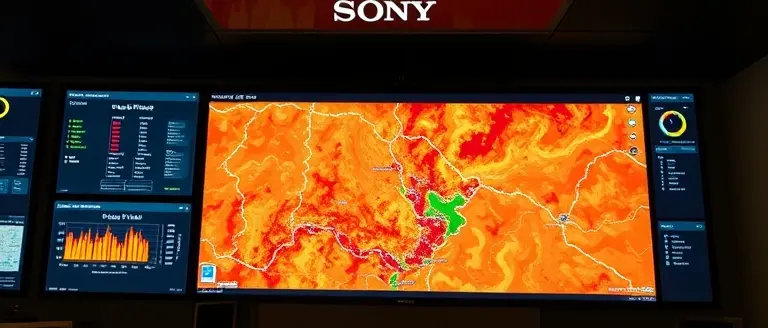
When you search for fire near me or fires near me, the results are often cluttered with algorithmic noise and engagement-baiting social media posts. To distinguish between genuine emergency alerts and digital misinformation, it is essential to rely exclusively on primary data sources. Official fire service data is curated by incident commanders and municipal agencies, providing the only high-integrity information available during a crisis. By bypassing third-party aggregators and social feeds, you ensure that your safety decisions are based on accurate, real-time intelligence rather than speculative rumors.
Utilizing Official Channels
To locate authentic information, prioritize the following verified resources over social media threads:
- Local Fire Department Websites: Most municipal fire departments maintain active incident logs or public information dashboards. Check these portals first for updates on contained fires or ongoing emergency operations.
- Verified Government Accounts: Follow the official Twitter/X handles of your local police, sheriff, and fire departments. Verified accounts, indicated by a blue or gold checkmark, serve as the primary conduit for emergency notifications and evacuation orders.
- National Interagency Fire Center (NIFC): For larger wildfire events, the NIFC provides nationwide maps and verified SIT (Situation) reports that filter out the noise typical of social platforms.
- Regional Emergency Management: County-level emergency management agencies (OEMs) often operate “AlertSense” or “Everbridge” notification systems that allow you to receive push notifications specific to your zip code.
If you encounter unverified claims online, cross-reference the report with these institutional sources before sharing or taking action. Evidence suggests that during periods of high digital noise, sticking to these sanctioned, data-driven platforms is the most reliable way to stay informed and safe without falling victim to misinformation campaigns. Always prioritize official bulletins regarding evacuation zones and smoke warnings to ensure your personal safety protocols remain effective.
Trusted Resources for Real-Time Wildfire and Emergency Tracking

When you search for fire near me or similar terms like fires near me, you are often met with a barrage of unverified social media posts and engagement-baiting algorithms. Relying on these sources during an emergency can lead to confusion and the spread of misinformation. To protect your property and safety, it is imperative to bypass social media noise and utilize official, geo-fenced data channels that provide verified incident reports.
Authoritative Tools for Verified Data
The following platforms are recognized by emergency services as the gold standard for real-time tracking:
- InciWeb (Incident Information System): This is the primary national clearinghouse for incident reports regarding wildfires. It provides official updates, containment percentages, and evacuation notices directly from fire management agencies.
- NOAA Fire Weather Forecasts: The National Oceanic and Atmospheric Administration provides critical meteorological data. Understanding wind speed, humidity, and atmospheric instability is essential for predicting how a fire might spread in your region.
- Local Emergency Management Portals: Most counties maintain specialized dashboards or “Reverse 911” notification systems. These are the most accurate sources for localized evacuation orders and immediate community safety instructions.
By prioritizing these resources, you ensure that your decision-making is backed by actionable, life-saving information rather than anecdotal social media speculation. Official agencies verify every update before release, removing the ambiguity associated with crowd-sourced content. If you are concerned about fire activity, bookmark your state’s forestry department website and subscribe to municipal text-alert systems. These channels provide the most reliable defense against the uncertainty that often accompanies search results for local emergencies.
Stop Guessing and Start Building with Precision
In a world saturated with unverified information, finding the signal through the noise is an essential skill. Whether you are searching for accurate, life-saving data during an emergency or seeking reliable guidance for your next major project, the principle remains the same: stop relying on fragmented, chaotic sources and demand professional-grade clarity. Just as you should prioritize verified fire-service maps over social media speculation, you should approach your personal woodworking goals with the same level of rigorous accuracy.
Ted’s Woodworking offers the authoritative, ‘workshop-tested’ alternative to the unreliable, hit-or-miss advice that litters the web. By providing a library of over 16,000 professional blueprints, this platform eliminates the trial-and-error frustration that plagues amateur projects. It is the gold standard for those who value precision and want to ensure that their time, money, and materials are invested in proven, successful results rather than guesswork.
Stop settling for incomplete instructions and start creating with total peace of mind. By moving away from the ‘noise’ and adopting a structured, expert-verified framework, you transform your workshop experience from stressful to seamless.
 Build with confidence and avoid the guesswork: Access the complete library of verified workshop plans here.Yes, I Want Access To Verified Plans Now!