
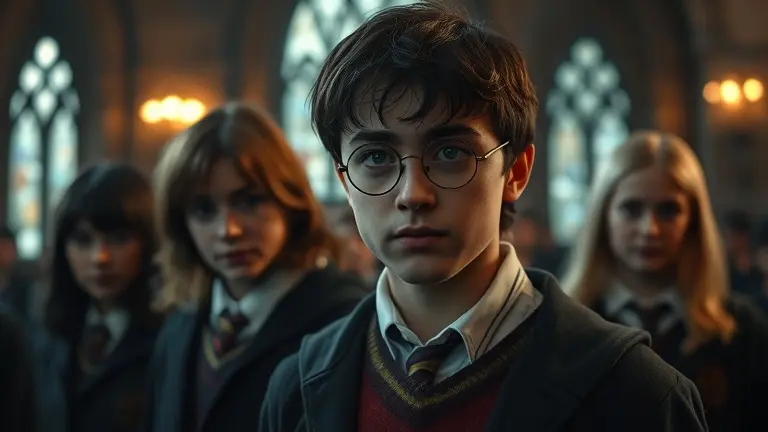
The anticipation surrounding the upcoming Harry Potter television series on Max has reached a fever pitch. As we look toward the production horizon in 2026, fans find themselves at a unique crossroads, caught between the immense nostalgia of the original film cycle and the promise of a radical, book-accurate rebirth. With the information landscape saturated by rumors and conflicting reports, it has never been more important to separate the concrete production realities from the noise of fan-driven speculation.
This transition marks a pivotal moment for the Wizarding World, moving from a completed cinematic narrative to a cornerstone of modern streaming strategy. For those of us who grew up with the books, the prospect of a decade-long series is as exciting as it is high-stakes. It is a promise to finally see the nuances, subplots, and character depths that were once relegated to the cutting room floor, fully realized on screen.
Yet, the desire for authenticity extends far beyond the screen. Just as the studio requires precision, vision, and structural blueprints to rebuild Hogwarts for a new generation, many fans are looking to translate that same magic into their own creative endeavors. The spirit of the Wizarding World has always been about discovery and craftsmanship, and as we prepare for this new era, there has never been a better time to refine our own approach to bringing the magic home.
The Wizarding World’s New Era: Why the Harry Potter Franchise is Relaunching in 2026

The Harry Potter franchise has officially entered a transformative phase, transitioning from a concluded film cycle into a long-form, decade-long television event on Max. This strategic pivot represents more than a mere reboot; it is a calculated effort by Warner Bros. Discovery to cement the Wizarding World as a perpetual legacy brand. By shifting the narrative from a cinematic universe to a serialized format, the studio aims to capture a new generation of viewers while satisfying the long-standing demand for a more faithful adaptation of J.K. Rowling’s original seven novels. As of April 2026, the pre-production phase signals a commitment to structural fidelity that the condensed film run could not provide, allowing for deeper character arcs and subplots previously relegated to the cutting room floor.
A High-Stakes Strategy for Streaming Dominance
The decision to revisit the source material is driven by both commercial necessity and evolving consumption habits. In an era where streaming retention is paramount, the Harry Potter IP acts as a cornerstone asset capable of anchoring a platform’s library for years. The relaunch is designed to bridge the generational gap between original fans—who grew up with the books—and younger audiences who are engaging with the lore through theme parks, mobile gaming, and licensed merchandise.
Key factors contributing to this high-stakes transition include:
- The “Book-Accurate” Mandate: Production emphasis is placed on expanding the breadth of the source material, ensuring that secondary characters and complex world-building elements receive the screen time they missed in the movies.
- Corporate Brand Stability: Under the current WBD ownership, the franchise is being treated as a “perennial” property, similar to successful long-running franchises like Star Wars or the MCU, where content is expected to arrive in consistent, high-quality cycles.
- Cultural Resilience: Despite shifting public discourse and the intensity of fan speculation, the sheer volume of search traffic and community engagement on platforms like The Leaky Cauldron proves that the appetite for Hogwarts remains largely undiminished.
This relaunch is not merely an attempt to capitalize on nostalgia; it is a strategic maneuver to revitalize a massive cultural touchstone for a modern streaming audience, balancing the weight of historical expectations with the promise of a more expansive, immersive narrative.
Confirmed vs. Speculation: The Current Production Status of the Max Series
As the Harry Potter franchise embarks on its most significant transition since the conclusion of the original film series, distinguishing verified production reality from pervasive internet speculation is essential for fans. Warner Bros. Discovery (WBD) has officially confirmed that the upcoming Max television series is designed as a faithful, long-form adaptation of the original seven novels, with each season intended to cover one book. Creative development is currently spearheaded by executive producers who are working closely with J.K. Rowling to ensure a level of “book-accurate” storytelling that the compressed two-hour film format could not previously achieve.
Official Production Updates
Current verified reporting from official studio press releases highlights several key pillars for the project:
- Production Timeline: While filming schedules remain subject to industry-wide production logistics, the studio has committed to a multi-year, decade-long rollout intended to maintain consistent quality across all installments.
- Creative Stewardship: The series is moving forward with a dedicated showrunner and writing room tasked with expanding the lore and depth of the Wizarding World, specifically focusing on characters and subplots previously omitted from the films.
- Platform Commitment: The project is a centerpiece for Max, signaling a strategic shift toward premium, long-form IP tentpoles within the WBD streaming ecosystem.
Distinguishing Fact from Fan-Driven Fiction
The information landscape remains cluttered with unverified claims regarding casting and creative direction. While social media platforms often circulate “leaked” shortlists for the roles of Harry, Ron, and Hermione, the studio has maintained a strict silence on casting calls to protect the integrity of the search for new talent. Fans should treat any claims regarding specific actors being “signed” or “finalized” as speculative fan fiction until an official announcement via the WBD press portal is issued. Furthermore, while debates regarding the series’ creative direction continue to surface in community hubs like The Leaky Cauldron, the definitive reality is that the production is currently in the pre-production phase, prioritizing script development and world-building over external public discourse.
The Creative Challenge: Adapting J.K. Rowling’s Novels for Long-Form TV
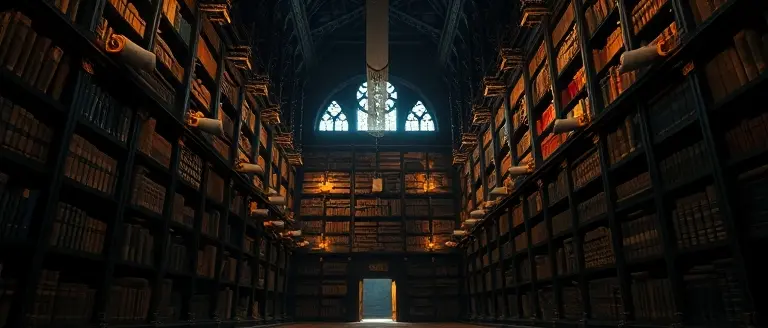
The transition of the Harry Potter franchise from a film series to a long-form television adaptation on Max represents a monumental shift in how the Wizarding World will be consumed. While the original films achieved massive commercial success, they were inherently constrained by the two-hour runtime of cinema, often necessitating the excision of intricate subplots and secondary character arcs. A series format offers a unique strategic advantage: the breathing room to provide a true book-to-screen translation. By dedicating entire episodes to specific chapters or character motivations, showrunners can capture the nuanced world-building that defined J.K. Rowling’s original novels, offering a level of narrative depth that the movies simply could not accommodate.
Expanding the Wizarding World
The move to a serial format allows the production team to address long-standing fan grievances regarding the film adaptations. Specifically, the series can better explore:
- Deepened Character Backstories: Greater focus on the history of the Marauders, the complexities of Snape’s motivations, and the expanded political landscape of the Ministry of Magic.
- Faithful World-Building: Detailed exploration of magical curriculum, house dynamics, and the daily life of Hogwarts students that were glossed over in favor of high-stakes action sequences.
- Improved Pacing: Each novel, particularly the later, denser installments like The Order of the Phoenix or The Goblet of Fire, will benefit from being broken down into multi-episode arcs, ensuring no critical plot point feels rushed.
The primary creative challenge remains the mandate to modernize the visual aesthetic for a new generation while preserving the cultural nostalgia held by the original fanbase. Showrunners must strike a precarious balance between honoring the iconic imagery established by Warner Bros. in the early 2000s and crafting a distinct, elevated visual identity that feels relevant for a decade-long commitment on streaming. As the project enters full-scale production, the pressure to deliver a “definitive” adaptation is immense; the success of this relaunch will ultimately hinge on whether the creators can satisfy the demand for authentic storytelling while introducing the Wizarding World to a fresh demographic of global viewers.
Business of Magic: The Economic Strategy Behind a Decade-Long Commitment
The decision by Warner Bros. Discovery to anchor the Max streaming platform with a decade-long Harry Potter television series is a calculated maneuver designed to secure the franchise as a permanent pillar of modern media consumption. In an increasingly fragmented streaming landscape, the Wizarding World offers a rare, high-value asset: generational IP with an established global footprint. Unlike short-lived viral hits, this series aims to generate long-term subscriber retention, transforming the casual viewer into a recurring household audience through a format that promises a deeper, book-accurate exploration of J.K. Rowling’s original texts. By committing to a multi-year production cycle, the studio effectively stabilizes its content pipeline, ensuring that the brand remains culturally relevant for the next generation of viewers while simultaneously rewarding the loyalty of the aging Millennial and Gen Z core.
Economic Drivers and Brand Longevity
The studio’s strategic shift toward a long-form series is driven by several key economic imperatives:
- Subscriber Retention: By serializing the narrative, Max incentivizes users to maintain subscriptions over several years, mitigating the churn rates typically associated with standalone film releases.
- Merchandising Synergies: The continuous presence of new television episodes provides a constant marketing engine for licensed merchandise, theme park experiences, and digital storefronts, creating a self-sustaining ecosystem of revenue.
- Market Dominance: As competition for eyeballs intensifies, owning an evergreen franchise allows the studio to hedge against shifting trends by relying on a story that already has proven, multi-generational appeal.
- Creative Asset Refresh: Reimagining the source material allows for the introduction of new talent and updated production values, keeping the Harry Potter brand competitive against modern high-budget streaming rivals like The Lord of the Rings: The Rings of Power.
Ultimately, this move represents the transition of the Harry Potter franchise from a finite cinematic saga to an enduring legacy brand. By treating the source material as a serialized project, the corporate strategy prioritizes brand preservation and incremental growth, ensuring that the magic remains a profitable engine for Warner Bros. Discovery long after the final episode credits roll.
Crafting Your Own Legacy in the Wizarding World
The journey toward the Harry Potter television series is, at its core, a testament to the power of structured, long-term planning and authentic vision. Just as Warner Bros. Discovery is moving away from the chaos of fragmented media to a definitive, blueprint-driven production, so too should your own creative projects. Whether you are building props, crafting magical decor, or simply looking to bring a piece of Hogwarts into your own home, the difference between frustration and true masterpiece-level results lies in having the right plan.
You no longer have to rely on trial-and-error or scattered, unreliable DIY tutorials. Ted’s Woodworking acts as your own ‘production bible,’ providing you with 16,000 professional-tested, clear blueprints that eliminate the guesswork. This is the ultimate tool for the fan-creator, offering the same systematic rigor that the studio is applying to this massive television reboot. Stop struggling with amateur planning and start building your own tangible piece of the Wizarding World with professional accuracy.
Ready to build your own piece of the Wizarding World? Click here to access the library of professional blueprints that take the guesswork out of your craftsmanship.

Ready to build your own piece of the Wizarding World? Click here to access the library of professional blueprints that take the guesswork out of your craftsmanship.