
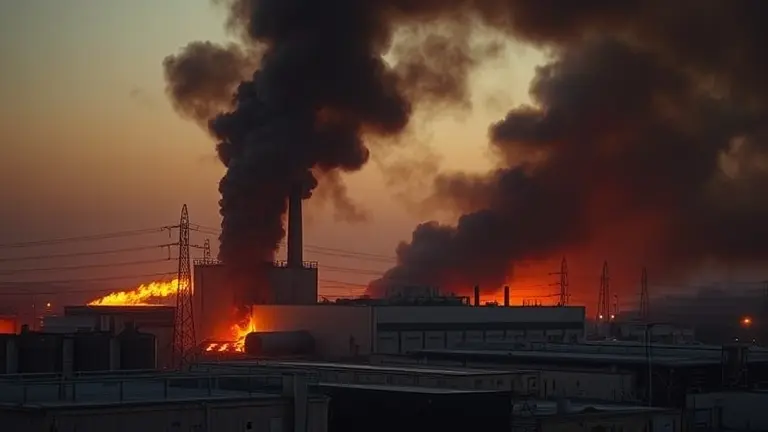
On the afternoon of Wednesday, June 17, 2026, the community of Boyle Heights was shaken as a massive, smoke-billowing industrial fire broke out at a cold storage facility on S. Los Palos Street. The intensity of the blaze, fueled by rooftop solar panels and complicated by a dangerous ammonia leak, forced the Los Angeles Fire Department to issue immediate shelter-in-place orders for nearby residents. As the thick, hazardous plume dominated the Los Angeles skyline, the primary concern shifted from the immediate flames to the long-term environmental and respiratory health impacts of the chemical release.
While emergency responders work to secure the site and air quality levels stabilize, the event serves as a stark reminder of the vulnerabilities inherent in living near industrial infrastructure. For those in the vicinity, navigating the aftermath involves more than just waiting for official clearance; it requires a proactive approach to protecting your well-being against the lingering effects of inhaled pollutants and particulate matter.
Major Industrial Fire Erupts at Boyle Heights Cold Storage Facility
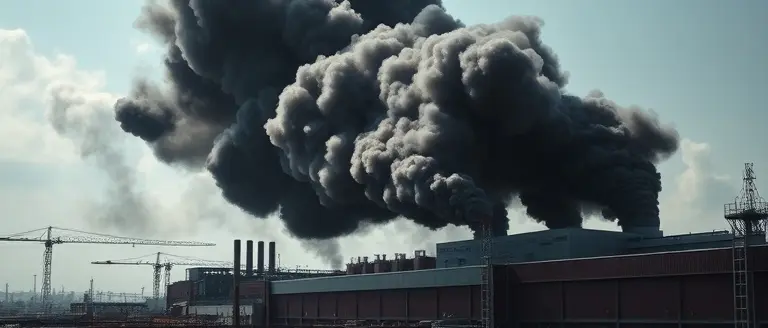
On the afternoon of Wednesday, June 17, 2026, a massive fire in Boyle Heights triggered an urgent emergency response across Los Angeles. The incident originated at a large-scale cold storage facility located at 1400 S. Los Palos Street. First responders were alerted to the blaze at approximately 2:35 PM PST, as flames quickly consumed the structure. This event is entirely distinct from smaller, unrelated residential structure fires reported in the region earlier in the week, and it represents a significant industrial emergency requiring multi-agency coordination.
Escalation Factors and Public Safety
The situation escalated rapidly due to two critical variables that challenged firefighting efforts:
- Solar Panel Involvement: The facility’s rooftop solar panels complicated containment strategies, as firefighters navigated potential electrical hazards and structural integrity risks.
- Ammonia Leak: The presence of ammonia, a common refrigerant in cold storage infrastructure, forced authorities to issue an immediate shelter-in-place order for residents and businesses in the surrounding vicinity.
The fire in LA produced a dense, highly visible column of black smoke that could be seen for miles, prompting significant concern among the public. As emergency crews worked to mitigate the chemical release, air quality became a primary concern for local officials. Residents were advised to remain indoors, close all windows and doors, and turn off air conditioning units to prevent the infiltration of potentially hazardous fumes.
As of the latest updates from the Los Angeles Fire Department (LAFD), the priority remains the containment of the hazardous materials and the stabilization of the site. While the smoke plume has been a focal point for social media and news coverage, authorities emphasize the importance of following official updates rather than speculation. Residents should monitor local news channels for the eventual lifting of safety protocols.
Emergency Response and Shelter-in-Place Orders

The emergency response to the fire in Boyle Heights began at approximately 2:35 PM PST on Wednesday, June 17, 2026, when Los Angeles Fire Department (LAFD) crews were dispatched to a cold storage facility on S. Los Palos Street. The situation escalated rapidly as the structural fire, compounded by rooftop solar panels, threatened to compromise the facility’s pressurized chemical storage systems. Recognizing the immediate threat of an ammonia leak, authorities transitioned from a standard structural fire response to a hazardous materials operation. To protect public health, local officials issued an urgent shelter-in-place order for residents and businesses within the immediate proximity of the fire in LA, citing the high toxicity of the ammonia plume drifting from the site.
Understanding Shelter-in-Place Protocols
The rationale for the shelter-in-place mandate during this fire in Boyle Heights centers on minimizing human exposure to airborne contaminants. When industrial fires involve ammonia and solar infrastructure, the resulting smoke can carry severe respiratory irritants. Residents were instructed to take the following actions:
- Close and lock all exterior doors and windows.
- Turn off HVAC systems, including air conditioners and heating units, to prevent outside air from circulating indoors.
- Move to an interior room away from windows and doors to minimize contact with the plume.
- Monitor official channels, such as the LAFD’s X (formerly Twitter) feed, the City of Los Angeles emergency alerts, and local news broadcasts for real-time updates.
While the smoke plume from this fire Los Angeles incident remained highly visible across the city, the restriction remained localized to ensure the safety of those closest to the potential chemical exposure. As cleanup operations proceed, residents should continue to monitor official communication for the official lifting of orders. Avoid traveling into the affected zone until air quality reports confirm the absence of hazardous particles, and always prioritize guidance from local authorities over social media hearsay.
Safety Guidelines for Residents Near Industrial Plumes
In the wake of a major fire in Boyle Heights involving a cold-storage facility, it is critical for local residents to prioritize personal safety while emergency crews manage hazardous materials. When an industrial fire in LA involves complex infrastructure—such as rooftop solar panels or chemical cooling systems—the resulting smoke plume may contain irritants or toxic byproducts like ammonia. Following official shelter-in-place orders is the most effective way to limit exposure to these hazardous particulates. If you are in the immediate vicinity of an industrial fire, please adhere to the following safety protocols to protect your respiratory health:
Immediate Protective Actions
- Seal Your Environment: Close all windows, doors, and vents to create a barrier between your indoor air and the exterior environment.
- Manage HVAC Systems: Turn off your air conditioning units, whole-house fans, and furnaces. These systems typically pull outside air into your home, which can draw smoke and chemical vapors inside.
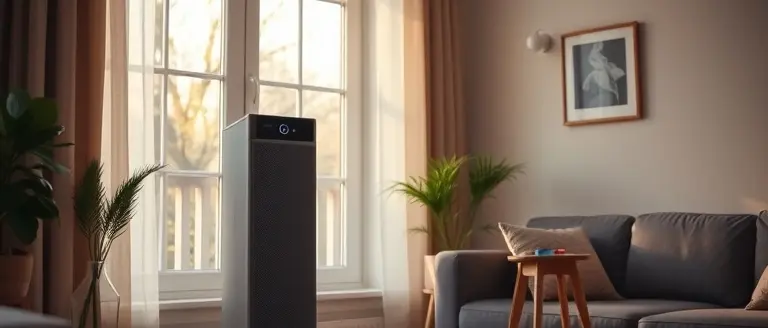
- Utilize Air Purification: If you have a HEPA-rated air purifier, run it on a high setting to capture fine particles that may have infiltrated your home.
- Avoid Outdoor Exertion: Refrain from all physical activity or outdoor gatherings while a plume is visible. Even if the smoke appears to dissipate, residual particles can linger in the air for hours.
When dealing with a significant fire los angeles incident, the situation remains fluid. Monitor the Los Angeles Fire Department (LAFD) and local news outlets for updates regarding air quality assessments. If you experience symptoms such as eye irritation, difficulty breathing, or throat soreness, seek medical advice promptly. Residents should remain vigilant until authorities officially lift the shelter-in-place order and confirm that the air quality in the Boyle Heights area has returned to safe levels. Always prioritize the instructions provided by first responders over anecdotal reports found on social media.
Monitoring Air Quality and Future Updates

As the immediate emergency response to the fire in Boyle Heights transitions into a recovery and assessment phase, local residents must prioritize official communication channels to ensure their safety. The presence of hazardous materials, specifically the reported ammonia leak at the industrial cold-storage site, necessitates ongoing vigilance regarding air quality. While the Los Angeles Fire Department (LAFD) works to mitigate lingering risks, it is essential for the community to remain cautious and rely on verified updates rather than unverified reports circulating on social media.
Essential Resources for Residents
To stay informed about the environmental impact following the fire in LA, residents should actively monitor the following official resources:
- South Coast Air Quality Management District (AQMD): Access the official website to view real-time data and safety alerts regarding air quality in the Los Angeles basin.
- LAFD Alerts: Follow the official LAFD social media accounts and their news portal for the latest updates on the lifting of shelter-in-place orders or evacuation zones.
- City of Los Angeles Emergency Management: Regularly check for guidance regarding public health measures in the aftermath of large-scale industrial incidents.
It is critical to avoid speculation regarding the cause of the Boyle Heights fire. Misinformation regarding the incident, which involved complex infrastructure like rooftop solar panels, can create unnecessary panic. By relying exclusively on information from city officials, residents can better navigate the recovery process. If you detect unusual odors or respiratory irritation, follow standard industrial safety protocols: move indoors, close all windows and doors, and turn off HVAC systems until air quality reports confirm the atmosphere is safe. Prioritizing these expert-verified guidelines is the most effective way to protect your household during the post-incident window.
Prioritizing Your Wellness in the Aftermath
As the smoke clears in Boyle Heights, the focus must shift from crisis management to systemic recovery. Industrial fires of this nature leave behind microscopic irritants that can linger in the environment, posing a persistent challenge to your upper respiratory tract and sinus comfort. While following air quality guidelines is a vital first step, many residents are searching for more comprehensive ways to fortify their body’s natural defenses against the ongoing physiological stress of environmental exposure.
This is where incorporating targeted support becomes essential. ProDentim acts as a proactive wellness solution, specifically formulated to support the balance of your respiratory system and sinus health. By introducing beneficial, high-quality probiotic strains into your daily regimen, you provide your body with the tools it needs to recover from the stress of toxic inhalation, effectively bridging the gap between basic environmental safety and optimal systemic health.
Taking control of your recovery means addressing the invisible impacts of the fire today. ProDentim offers a natural, science-backed approach to soothing your respiratory pathways and strengthening your body’s resilience against environmental pollutants. It is the natural next step in your post-incident wellness routine.
 Support your respiratory system and sinus health during recovery by incorporating these targeted probiotic strains into your daily routine.Protect My Respiratory Health Today!