

Are you one of the thousands of Ford owners caught in a frustrating loop of unresolved safety recalls? As of June 2026, over 670,000 Ford drivers are facing significant challenges, with a jarring 125,000 vehicles being recalled for a second time because initial repairs failed to address the safety-critical defects. From the F-150 and Escape to the Fusion and Focus, the mounting evidence of dealership service bottlenecks and inadequate fixes has left consumers understandably anxious. Whether it is a recurring mechanical failure or a manufacturing defect like the peeling center console in the Ford Expedition, the current state of these recalls has turned basic vehicle maintenance into a draining, multi-step ordeal.
Beyond the technical failure of these recalls, there is a growing demand for accountability and clear consumer advocacy. When your dealership falls short of industry standards, you are not just out of pocket; you are left with a vehicle that doesn’t meet the safety criteria you paid for. This guide is designed to help you break free from the recall cycle. We will break down your rights under consumer protection laws, explain exactly how to handle a botched repair, and provide a roadmap for securing the resolution you deserve—because precision, competence, and a ‘fix-it-right-the-first-time’ mindset should be the minimum standard, not the exception.
Understanding the June 2026 Ford Recall Wave: What Owners Need to Know
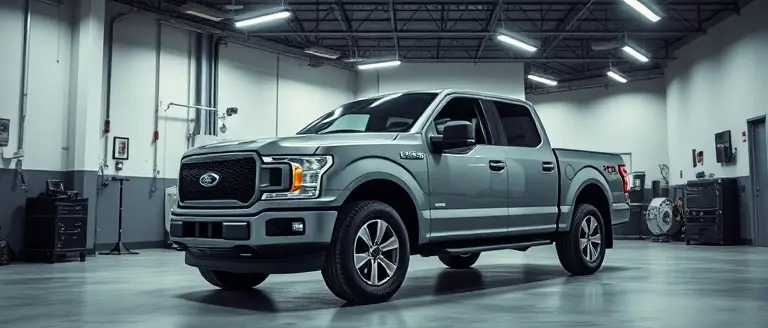
As of mid-June 2026, the Ford vehicle recall NHTSA database reflects a challenging period for owners, with over 670,000 vehicles impacted by urgent safety campaigns. This surge in Ford recalls has left many drivers questioning the reliability of initial service visits. The most significant point of friction involves approximately 125,000 vehicles—including specific F-150, Escape, Focus, and Fusion models—which are currently subject to a second round of repairs. Evidence suggests that the original fixes were performed incorrectly, leaving safety-critical components unresolved and forcing owners to return to dealerships for a “do-over” repair.
Breaking Down the Current Recall Scope
The landscape of these safety actions is broad, affecting different segments of the Ford lineup. To help you determine if your vehicle is included, here is a breakdown of the primary campaigns:
- Repeated Repair Campaign (125,000+ units): Affecting F-150, Escape, Focus, and Fusion models, this group requires secondary service because the first attempt failed to mitigate the original safety hazard.
- Ford Expedition Console Recall (548,463 units): Covering model years 2018–2024, this recall addresses a center console issue where material may peel, exposing sharp edges that pose a laceration risk to passengers.
- F-150 Instrument Cluster Failures (4,445 units): A more localized campaign involving specific F-150 trucks experiencing critical instrument cluster malfunctions.
The frustration surrounding these Ford recall notices is palpable. When a manufacturer issues a fix, owners expect the issue to be fully rectified; the necessity of a repeat visit signals a breakdown in either service protocols or supply chain quality. It is vital to take these notices seriously, as incomplete repairs can compromise vehicle safety and performance. If you suspect your previous repair was ineffective, prioritize contacting your local dealership immediately to document the ongoing issue and ensure your vehicle is brought back to safety standards. Monitoring the official NHTSA recall portal is the most reliable way to stay informed as these campaigns progress.
The ‘Failed Repair’ Protocol: What to Do If Your Ford Recall Was Ineffective

Finding out that your Ford recall repair was performed incorrectly can be incredibly frustrating, especially when it leaves your vehicle in an unsafe condition. If you have visited a dealership only to find the problem persists, do not simply accept the status quo. Following a structured “failed repair” protocol is essential to ensuring your safety and protecting your rights as a consumer.
Steps to Escalate Your Ford Recall Claim
When a service center fails to resolve an issue, you must shift from a passive customer to an active advocate for your vehicle’s safety. Follow these steps to ensure your voice is heard by both the dealer and the manufacturer:
- Document Everything: Keep a comprehensive paper trail. Retain all repair orders, invoices, and diagnostic summaries provided by the dealership. Note the dates of service and the specific technician feedback. If the issue persists, document the symptoms clearly, including photos or videos if applicable.
- Request a Second Inspection: Return to the dealership and explicitly state that the previous ford vehicle recall nhtsa remedy was unsuccessful. Request that the service manager personally verify the issue.
- Escalate to Ford Corporate: If the dealership is unresponsive or claims the vehicle is “operating as intended” despite clear evidence of failure, contact the Ford Customer Relationship Center. Provide your original repair documents and insist on a formal case file.
- Report to the NHTSA: The National Highway Traffic Safety Administration needs to know when a ford recall fix fails. Filing a formal complaint at NHTSA.gov adds your experience to a national database, which can trigger further oversight into the efficacy of the manufacturer’s repair kits.
By documenting every interaction, you create the necessary evidence required should you eventually need to pursue Lemon Law remedies or state-level consumer protection claims. Persistent issues following a safety-critical repair suggest a systemic gap in the supply chain or technical training; by escalating your case, you hold the manufacturer accountable for maintaining the integrity of their own safety standards. If the dealer remains unhelpful, consider requesting a regional service representative intervention to ensure the repair is performed correctly the second time.
Legal Recourse and Reimbursement Rights for Ford Owners

Navigating a Ford vehicle recall can be stressful, especially when an initial repair fails to resolve the safety hazard. If you find your vehicle subject to a second recall for the same issue, you are not without options. Under federal law, manufacturers are obligated to provide a safe, effective remedy for recalls reported to the NHTSA. When a dealership performs an incorrect repair, that failure may trigger your state’s Lemon Law protections. While these laws vary significantly by state, they generally define a “lemon” as a vehicle that has been subjected to a “reasonable number of attempts” to repair a safety-critical defect without success. You should maintain a meticulous paper trail of every service visit, including repair orders and invoices, to substantiate a potential claim.
Steps to Protect Your Rights
If your vehicle remains unsafe despite multiple repair attempts, consider the following actions to protect your interests:
- Demand Detailed Documentation: Ensure your repair order explicitly states the nature of the “repeat” failure. If a dealer claims a prior fix was “done,” require a written statement explaining why the safety issue persists.
- Document Out-of-Pocket Expenses: If you incurred costs for rental cars, towing, or private diagnostics due to a failed Ford recall repair, keep all receipts. You may be entitled to reimbursement. Contact Ford’s corporate customer service division to initiate a formal reimbursement request.
- Consult a Consumer Protection Attorney: If the manufacturer or dealer becomes unresponsive, a lawyer specializing in automotive consumer rights can help you determine if you qualify for a repurchase or a replacement vehicle.
- Escalate to the NHTSA: Report the failed repair through the official NHTSA website. This data is critical, as it informs the agency of widespread patterns, such as the current series of botched Ford recalls affecting over 670,000 vehicles.
By asserting your rights early and maintaining clear communication, you ensure that you aren’t just another statistic in a cycle of recurring service issues. Remember, safety is the priority; do not hesitate to escalate your case if the vehicle continues to pose a documented risk to you and your passengers.
Your Recall Check Hub: How to Stay Ahead of Safety Notifications

Staying informed about your vehicle’s safety status is more critical than ever, especially given the recent wave of Ford vehicle recall NHTSA notifications. To proactively monitor your vehicle, the first step is to utilize the official NHTSA (National Highway Traffic Safety Administration) website. By entering your 17-digit Vehicle Identification Number (VIN) into their recalls lookup tool, you can instantly see if your car is part of any active Ford recall campaign. This portal is the gold standard for accuracy because it captures safety-critical data directly from federal filings, bypassing potential delays in mail-delivered notices.
How to Monitor and Manage Your Recall Status
Once you have confirmed an active campaign, you should also visit the official Ford Owner Support portal. Ford’s site allows you to sign up for email or text notifications specifically linked to your VIN. When navigating these resources, keep these best practices in mind:
- Check the ‘Remedy Status’: A recall notice is only the beginning. The ‘remedy status’ tells you if a fix is currently available. If you see ‘Remedy Not Yet Available,’ check back every two weeks.
- Document Everything: If you are part of the group affected by Ford recalls involving potentially ‘incorrect’ prior repairs, keep copies of all service invoices and repair summaries. This documentation is your strongest evidence if you need to escalate a complaint regarding an incomplete or faulty fix.
- Verify the Fix: After a dealer completes a repair, always ask for a printout showing the specific recall completion code. Do not leave the service center without written verification that the specific ford recall campaign number has been closed out in their system.
Because recent trends show a rise in ‘re-recall’ scenarios—where vehicles require a second visit for the same issue—maintaining a personal folder of your maintenance history is essential. If you feel that a dealership has failed to provide an effective repair, using these official digital hubs to track the ‘remedy status’ provides the baseline data necessary for consumer protection advocacy or Lemon Law claims. By staying diligent, you move from being a reactive participant to an informed owner capable of holding service centers accountable to safety standards.
Demand Precision in Every Aspect of Your Life
The frustration of dealing with a recurring Ford vehicle recall is more than just an inconvenience; it is a breakdown of the trust we place in professional standards. When you are stuck in a cycle of failed repairs, it highlights a broader truth about the modern world: too many services are delivered with a lack of attention to detail and professional integrity. Whether it is an automotive repair shop cutting corners on a safety-critical fix or a DIY project suffering from faulty schematics, the result is always the same—wasted time, mounting anxiety, and the dreaded need for a do-over.
This is why having the right resources is not just a luxury; it is a necessity for anyone who values their time and safety. Just as you deserve a vehicle that is repaired correctly on the first attempt, you deserve the technical certainty of professional-grade plans for your own projects. By choosing verified, workshop-tested blueprints, you eliminate the guesswork that leads to these costly, repetitive failures.
Stop relying on sloppy instructions that lead to errors. Embrace the precision that ensures your results are done right the very first time, every single time. It is time to take control of your results and demand the high-caliber accuracy you deserve.
 Stop guessing and start building with precision: Get access to the workshop-tested plans that ensure your projects are done right the first time.Get Instant Access to Precision Blueprints!